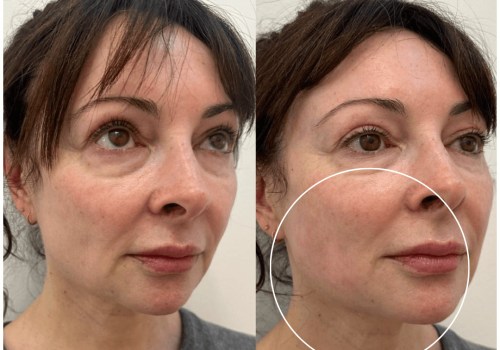
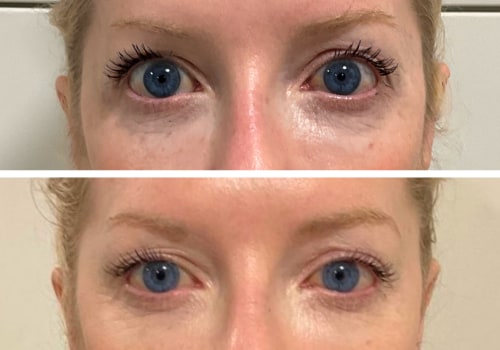
Polynucleotides are fascinating biomolecules that play a crucial role in the field of regenerative medicine and aesthetic treatments. Defined as long chains of nucleotides, these compounds are fundamental components of DNA and RNA, serving as the building blocks of genetic material. In recent years, polynucleotides have emerged as a powerful tool in skin rejuvenation therapies, offering a unique approach to combat the signs of ageing and enhance overall skin health.What sets polynucleotides apart from other skin treatments is their ability to stimulate cellular regeneration and repair. When applied to the skin, they promote the production of collagen and elastin, two essential proteins that contribute to skin elasticity and firmness.
This regenerative property not only helps to reduce the appearance of fine lines and wrinkles but also improves skin texture and tone, making it a sought-after option for those looking to rejuvenate their complexion.Moreover, polynucleotides possess remarkable hydrating properties, which can significantly enhance skin moisture levels. By attracting and retaining water within the skin cells, they help to create a plump and youthful appearance. This dual action of promoting cellular repair while providing hydration makes polynucleotides an invaluable asset in aesthetic treatments aimed at achieving long-lasting results.As we delve deeper into the world of polynucleotides, it becomes evident that their significance extends beyond mere cosmetic enhancements. They represent a shift towards more natural and biologically compatible solutions in skincare, aligning with the growing demand for treatments that not only beautify but also nourish the skin at a cellular level.
Understanding the science behind polynucleotides is essential for anyone interested in unlocking their full potential for skin rejuvenation.
The Science Behind Polynucleotides
Polynucleotides are fascinating biomolecules that play a pivotal role in the field of skin rejuvenation. Originating from the extraction of DNA, particularly from salmon sperm, these compounds are composed of long chains of nucleotides, which are the building blocks of DNA. This unique origin is what gives polynucleotides their remarkable regenerative properties, making them a sought-after ingredient in aesthetic treatments.At the cellular level, polynucleotides work by stimulating the skin's natural healing processes. When introduced into the skin through various treatment methods, they interact with skin cells, promoting cellular regeneration and repair.Polynucleotides are fascinating biomolecules that play a pivotal role in the field of skin rejuvenation. Originating from the extraction of DNA, particularly from salmon sperm, these compounds are composed of long chains of nucleotides, which are the building blocks of DNA. This unique origin is what gives polynucleotides their remarkable regenerative properties, making them a sought-after ingredient in aesthetic treatments.At the cellular level, polynucleotides work by stimulating the skin's natural healing processes. When introduced into the skin through various treatment methods, they interact with skin cells, promoting cellular regeneration and repair. , these compounds are composed of long chains of nucleotides, which are the building blocks of DNA. This unique origin is what gives polynucleotides their remarkable regenerative properties, making them a sought-after ingredient in aesthetic treatments.At the cellular level, polynucleotides work by stimulating the skin's natural healing processes. When introduced into the skin through various treatment methods, they interact with skin cells, promoting cellular regeneration and repair.Polynucleotides are fascinating biomolecules that play a pivotal role in the field of skin rejuvenation. Originating from the extraction of DNA, particularly from salmon sperm, these compounds are composed of long chains of nucleotides, which are the building blocks of DNA. This unique origin is what gives polynucleotides their remarkable regenerative properties, making them a sought-after ingredient in aesthetic treatments.At the cellular level, polynucleotides work by stimulating the skin's natural healing processes. When introduced into the skin through various treatment methods, they interact with skin cells, promoting cellular regeneration and repair.This interaction occurs primarily through the activation of fibroblasts, which are essential for collagen production. Collagen is a vital protein that provides structure and elasticity to the skin, and its production tends to decline with age. By enhancing fibroblast activity, polynucleotides help to restore the skin's firmness and reduce the appearance of fine lines and wrinkles.Moreover, polynucleotides possess strong hydrophilic properties, meaning they can attract and retain moisture within the skin. This hydration is crucial for maintaining a youthful appearance, as well-hydrated skin appears plumper and more radiant.
The ability of polynucleotides to enhance moisture retention also contributes to their effectiveness in treating dry or dehydrated skin conditions.In addition to their hydrating effects, polynucleotides exhibit anti-inflammatory properties. This characteristic is particularly beneficial for individuals with sensitive or reactive skin, as it helps to soothe irritation and redness. By reducing inflammation, polynucleotides not only improve overall skin texture but also create a more balanced complexion.The benefits of polynucleotides extend beyond immediate aesthetic improvements. Regular treatments can lead to long-term enhancements in skin quality.
Users often report a noticeable increase in skin elasticity and a reduction in visible signs of ageing over time. Furthermore, polynucleotides can be combined with other treatments, such as hyaluronic acid or growth factors, to amplify their effects and provide comprehensive rejuvenation.In summary, the science behind polynucleotides reveals their multifaceted role in skin rejuvenation. By harnessing their regenerative capabilities, hydrating properties, and anti-inflammatory effects, these biomolecules offer a powerful solution for those seeking to enhance their skin's health and appearance.Users often report a noticeable increase in skin elasticity and a reduction in visible signs of ageing over time. Furthermore, polynucleotides can be combined with other treatments, such as hyaluronic acid or growth factors, to amplify their effects and provide comprehensive rejuvenation.In summary, the science behind polynucleotides reveals their multifaceted role in skin rejuvenation. By harnessing their regenerative capabilities, hydrating properties, and anti-inflammatory effects, these biomolecules offer a powerful solution for those seeking to enhance their skin's health and appearance.
Polynucleotides vs. Traditional Treatments
In the realm of aesthetic treatments, the emergence of polynucleotides has sparked considerable interest, particularly when compared to traditional options such as Botox and dermal fillers. has sparked considerable interest, particularly when compared to traditional options such as Botox and dermal fillers.Understanding the distinctions between these treatments is crucial for anyone considering skin rejuvenation.
Polynucleotides vs. Botox
Botox, a well-established treatment, works by temporarily paralyzing the muscles responsible for dynamic wrinkles, effectively smoothing out fine lines. While it provides immediate results, its effects are transient, typically lasting three to six months. In contrast, polynucleotides promote skin regeneration at a cellular level.
Derived from salmon sperm DNA, they stimulate collagen production and enhance skin elasticity over time. This means that while Botox offers quick fixes, polynucleotides provide a more sustainable approach to skin health.
Advantages of Polynucleotides:
- Long-lasting results: Unlike Botox, which requires frequent touch-ups, polynucleotides can lead to prolonged improvements in skin texture and firmness.
- Natural rejuvenation: By encouraging the body’s own healing processes, polynucleotides offer a more organic method of enhancing skin appearance.
- Minimal side effects: Patients often experience fewer adverse reactions compared to Botox, which can cause bruising or drooping if not administered correctly.
Polynucleotides vs. Dermal Fillers
Dermal fillers are another popular option for volumising areas of the face and reducing the appearance of wrinkles. They work by physically filling in lines and adding volume to specific areas.
However, fillers can sometimes lead to an unnatural look if overused or improperly injected. Polynucleotides, on the other hand, enhance the skin's natural structure without adding volume directly. They improve overall skin quality and hydration, making them an excellent complement to fillers rather than a direct competitor.
Key Considerations:
- Treatment goals: If your primary concern is dynamic wrinkles, Botox may be more suitable. For overall skin health and rejuvenation, polynucleotides are preferable.
- Longevity of results: Consider how often you want to undergo treatments; polynucleotides may require fewer sessions over time.
- Personal preferences: Some individuals prefer the immediate results of fillers or Botox, while others may favour the gradual improvements offered by polynucleotides.
Consulting with a qualified aesthetic practitioner can help tailor a treatment plan that aligns with your skincare goals.
Applications of Polynucleotides in Aesthetic Medicine
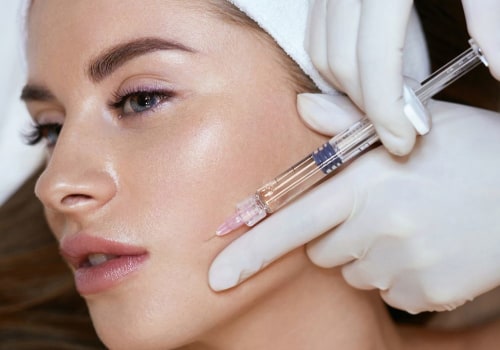
Polynucleotides have emerged as a revolutionary component in aesthetic medicine, offering a range of applications that enhance skin rejuvenation and overall appearance. Their unique properties make them suitable for various treatments aimed at improving skin texture, elasticity, and hydration.One of the primary uses of polynucleotides is in injectable treatments. These procedures involve the direct application of polynucleotides into the dermal layer of the skin, where they stimulate cellular regeneration and promote collagen synthesis. This results in a more youthful appearance, reducing the visibility of fine lines and wrinkles.Another significant application is in mesotherapy , a technique that delivers polynucleotides mixed with other beneficial substances directly into the skin.This method not only enhances hydration but also improves skin tone and texture. Patients often report a noticeable glow and improved skin quality following mesotherapy sessions.Polynucleotides are also used in combination with other aesthetic treatments, such as microneedling. When applied during or after microneedling procedures, polynucleotides can enhance the healing process and amplify the rejuvenating effects. The micro-injuries created by the needles allow for better absorption of polynucleotides, leading to more significant improvements in skin elasticity and firmness.Furthermore, polynucleotides are gaining traction in the realm of post-surgical recovery.
After cosmetic surgeries, such as facelifts or eyelid lifts, polynucleotides can be injected to accelerate healing and reduce inflammation. This application not only aids in recovery but also helps maintain the results of surgical procedures by promoting healthier skin.In addition to these applications, polynucleotides are being explored for their potential in treating specific skin conditions such as acne scars and hyperpigmentation. Their regenerative properties can help improve the appearance of scars by promoting new cell growth and reducing discolouration.As research continues to unveil the full potential of polynucleotides in aesthetic medicine, it is clear that their applications are diverse and impactful. From enhancing non-surgical rejuvenation techniques to supporting recovery after invasive procedures, polynucleotides represent a promising avenue for those seeking effective solutions for skin health and beauty.
Benefits of Using Polynucleotides for Skin Rejuvenation
Polynucleotides have emerged as a revolutionary treatment in the realm of skin rejuvenation, offering a plethora of benefits that cater to both immediate and long-term skin health improvements.Understanding these advantages can help individuals make informed decisions about their skincare regimens.
1.Enhanced Skin Hydration
One of the most notable benefits of polynucleotides is their ability to significantly enhance skin hydration. By promoting the synthesis of hyaluronic acid, polynucleotides help retain moisture within the skin, leading to a plumper and more youthful appearance. This increased hydration not only improves the skin's texture but also reduces the visibility of fine lines and wrinkles.
2.Stimulating Collagen Production
Polynucleotides play a crucial role in stimulating collagen production, which is essential for maintaining skin elasticity and firmness. As we age, collagen levels naturally decline, resulting in sagging skin and the formation of wrinkles.
By introducing polynucleotides into the skin, individuals can encourage the body’s natural healing processes, leading to improved skin structure and resilience.
3.Anti-Inflammatory Properties
Another significant advantage of polynucleotides is their anti-inflammatory properties. They help to soothe irritated skin and reduce redness, making them an excellent option for individuals with sensitive or reactive skin types. This calming effect can lead to an overall improvement in skin tone and texture.
4.Long-Lasting Results
The effects of polynucleotide treatments are not just immediate; they also offer long-lasting results. With regular treatments, patients can experience sustained improvements in skin quality, making it a worthwhile investment for those seeking enduring anti-aging solutions.
5.Versatile Applications
Polynucleotides can be used in various aesthetic procedures, including mesotherapy and injectable treatments, allowing for tailored approaches based on individual needs.
This versatility makes them suitable for a wide range of skin concerns, from dullness to severe signs of aging.In summary, the benefits of using polynucleotides for skin rejuvenation are extensive and multifaceted. From enhancing hydration and stimulating collagen production to providing anti-inflammatory effects and long-lasting results, polynucleotides represent a powerful tool in the pursuit of youthful, radiant skin.
Potential Side Effects and Considerations
As with any aesthetic treatment, understanding the potential side effects and safety considerations of polynucleotide therapies is crucial for anyone contemplating these procedures. While polynucleotides are generally regarded as safe and effective for skin rejuvenation, it is essential to be aware of possible adverse reactions and the overall safety profile of these treatments.Common Side Effects
- Injection Site Reactions: The most frequently reported side effects include redness, swelling, and tenderness at the injection site. These reactions are typically mild and resolve within a few days.
- Bruising: Some patients may experience bruising following the treatment, particularly if they are prone to bruising or are taking blood-thinning medications.
- Itching or Rash: In rare cases, individuals may develop an itchy rash or other allergic reactions.
It is advisable to consult with a healthcare professional if such symptoms occur.
Less Common Risks
- Infection: As with any injectable treatment, there is a small risk of infection. Ensuring that the procedure is performed in a sterile environment by a qualified practitioner can significantly reduce this risk.
- Nodules or Lumps: Occasionally, patients may develop small nodules or lumps under the skin at the injection site. These can often be massaged out or may resolve on their own over time.
- Delayed Allergic Reactions: Although rare, some individuals may experience delayed allergic reactions that manifest days or weeks after treatment. Monitoring for any unusual symptoms post-treatment is advisable.
Safety Considerations
Before undergoing polynucleotide treatments, it is vital to discuss your medical history with your practitioner.
Certain conditions, such as autoimmune disorders or active infections, may contraindicate the use of polynucleotides. Additionally, individuals who are pregnant or breastfeeding should avoid these treatments due to insufficient research on their safety in these populations.Choosing a qualified and experienced practitioner is paramount to minimising risks associated with polynucleotide injections. Ensure that they are certified and have a solid track record in administering aesthetic treatments. This not only enhances safety but also increases the likelihood of achieving optimal results.In conclusion, while polynucleotides offer promising benefits for skin rejuvenation, being informed about potential side effects and safety considerations is essential for making an educated decision regarding treatment options.
Always consult with a healthcare professional to ensure that you are a suitable candidate for this innovative therapy.
Frequently Asked Questions about Polynucleotides
As the popularity of polynucleotides in skin rejuvenation continues to rise, many individuals have questions about their efficacy, safety, and overall benefits. Below, we address some of the most frequently asked questions regarding polynucleotides to help clarify any uncertainties.What are polynucleotides?
Polynucleotides are naturally occurring molecules derived from DNA, specifically extracted from salmon sperm. They play a crucial role in cellular regeneration and repair, making them a valuable component in aesthetic treatments aimed at improving skin health.How do polynucleotides work for skin rejuvenation?
Polynucleotides promote skin rejuvenation by stimulating the production of collagen and elastin, essential proteins that maintain skin elasticity and firmness. They also enhance cellular metabolism and improve hydration levels within the skin, leading to a more youthful appearance.Are there any side effects associated with polynucleotide treatments?
While polynucleotide treatments are generally considered safe, some individuals may experience mild side effects such as redness, swelling, or bruising at the injection site.These effects are typically temporary and resolve within a few days.
How do polynucleotides compare to other treatments like Botox?
Unlike Botox, which temporarily relaxes facial muscles to reduce the appearance of wrinkles, polynucleotides focus on enhancing skin quality from within. They provide long-term benefits by promoting natural skin regeneration rather than merely masking signs of aging.Can anyone receive polynucleotide treatments?
Most individuals are suitable candidates for polynucleotide treatments; however, those with certain medical conditions or allergies should consult with a qualified practitioner before proceeding. A thorough consultation will help determine if this treatment is appropriate for you.Are there any myths about polynucleotides?
- Myth: Polynucleotides are only for older individuals.
- Fact: People of various ages can benefit from polynucleotide treatments as they enhance overall skin health and prevent premature aging.
- Myth: Polynucleotide treatments are painful.
- Fact: Most patients report minimal discomfort during the procedure, often likening it to a slight pinch.
Conclusion: The Future of Skin Rejuvenation with Polynucleotides
As we draw our exploration of polynucleotides to a close, it is essential to reflect on the profound implications these remarkable compounds hold for the future of skin rejuvenation.Throughout this article, we have delved into the unique properties of polynucleotides, their regenerative capabilities, and how they stand apart from traditional treatments like Botox.Polynucleotides, derived from salmon sperm DNA, are not merely a passing trend in aesthetic medicine; they represent a significant advancement in our understanding of skin health and rejuvenation. Their ability to stimulate cellular repair and promote collagen synthesis positions them as a powerful ally in combating the signs of ageing. Unlike Botox, which primarily addresses dynamic wrinkles by temporarily paralysing muscles, polynucleotides work at a cellular level to enhance skin texture, elasticity, and overall vitality.Looking ahead, the potential applications of polynucleotides in aesthetic treatments are vast. As research continues to unveil their benefits, we can anticipate innovative formulations and techniques that will further optimise their effectiveness.
For instance, combining polynucleotides with other modalities such as hyaluronic acid or growth factors could lead to synergistic effects that enhance skin rejuvenation outcomes.Moreover, the increasing demand for natural and biocompatible treatments aligns perfectly with the profile of polynucleotides. Patients are becoming more discerning about the products they choose for their skin, favouring options that not only deliver results but also align with their values regarding safety and sustainability. Polynucleotides fit this bill exceptionally well, as they are derived from natural sources and have a low risk of adverse reactions.In conclusion, as we embrace the future of skin rejuvenation, polynucleotides are poised to play a pivotal role in shaping aesthetic practices. Their unique properties offer a promising alternative to conventional treatments, providing both immediate and long-lasting benefits.
As practitioners continue to explore and refine their use, it is clear that polynucleotides will remain at the forefront of innovative skincare solutions for years to come.