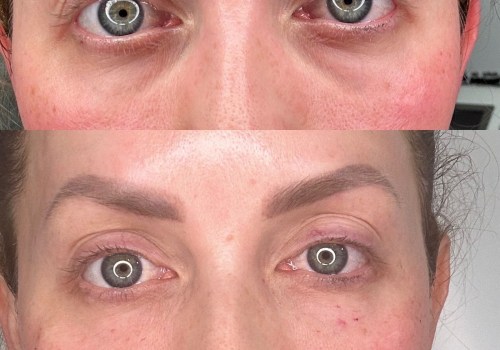
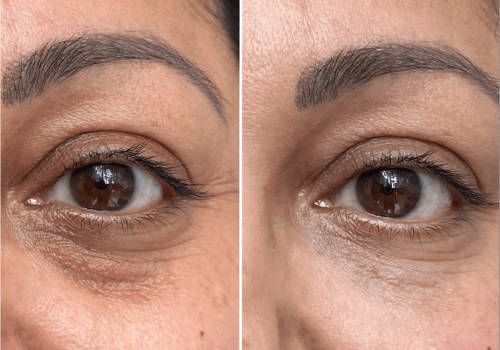
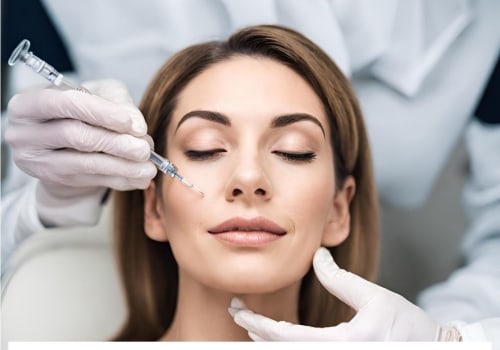
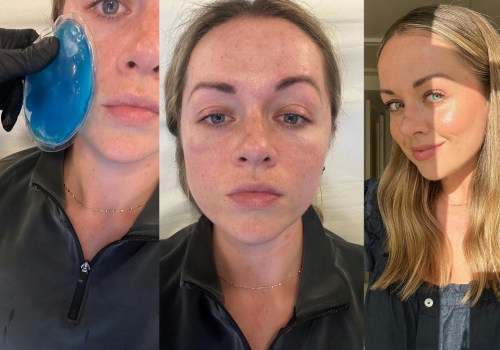
Polynucleotides are fascinating biomolecules that play a pivotal role in the maintenance and rejuvenation of our skin. Composed of long chains of nucleotides, these molecules are fundamental components of nucleic acids, primarily DNA and RNA. While many may associate DNA solely with genetics, its implications extend far beyond heredity; it is crucial for cellular function and skin health. As we age, the natural processes that keep our skin youthful and vibrant begin to falter, leading to visible signs of aging such as wrinkles, sagging, and uneven skin tone.
This is where the power of polynucleotides comes into play.In the realm of skincare, polynucleotides have emerged as a revolutionary treatment option. They are known for their ability to stimulate the production of collagen and elastin—two proteins that are essential for maintaining skin's structure and elasticity. By enhancing fibroblast activity, polynucleotides help to restore the skin's firmness and resilience, effectively combating the effects of time. Moreover, their anti-inflammatory properties contribute to a more balanced skin tone, making them an ideal choice for those seeking a natural approach to rejuvenation.The significance of polynucleotides in skincare cannot be overstated.
As we delve deeper into this topic, we will explore the various types of polynucleotides available, their specific benefits for skin health, and how they can be effectively incorporated into skincare regimens. Understanding these molecules not only sheds light on their therapeutic potential but also empowers individuals to make informed choices about their skincare treatments. With the right knowledge, achieving youthful and radiant skin is within reach.
What Are Polynucleotides?
Polynucleotides are essential macromolecules that play a pivotal role in the biological processes of all living organisms. These molecules are polymers made up of nucleotide monomers, which are the fundamental building blocks of nucleic acids.Each nucleotide consists of three components: a nitrogenous base, a sugar molecule, and a phosphate group. The sequence and arrangement of these nucleotides determine the specific genetic information carried by the polynucleotide.There are two primary types of polynucleotides: deoxyribonucleic acid (DNA) and ribonucleic acid (RNA). Both types serve distinct functions within biological systems, yet they share a common structural framework.
DNA Structure
DNA is characterised by its double helix structure, which resembles a twisted ladder. This structure is formed by two long strands of polynucleotides that run in opposite directions, known as antiparallel strands.The sides of the ladder are composed of alternating sugar and phosphate groups, while the rungs consist of pairs of nitrogenous bases. There are four types of nitrogenous bases in DNA: adenine (A), thymine (T), cytosine (C), and guanine (G). The specific pairing between these bases—adenine with thymine and cytosine with guanine—creates the base pairs that hold the two strands together through hydrogen bonds.In contrast, RNA is typically single-stranded and contains ribose as its sugar component instead of deoxyribose found in DNA. RNA also has uracil (U) in place of thymine.
This structural difference allows RNA to perform various functions, including serving as a messenger between DNA and the protein synthesis machinery of the cell.The significance of polynucleotides extends beyond their structural roles; they are crucial for processes such as gene expression , cellular replication , and protein synthesis. Understanding the intricate details of polynucleotide structure and function provides a foundation for exploring their applications in fields like skincare, where they can be harnessed for their rejuvenating properties.
The Biological Importance of Polynucleotides
Polynucleotides play a pivotal role in the biological processes that sustain life, particularly in the realms of protein synthesis and cellular repair. Understanding these functions is essential for appreciating how they contribute to the vitality of our skin.Protein Synthesis
At the core of cellular function lies the process of protein synthesis, which is fundamentally directed by polynucleotides. These molecules, primarily in the form of DNA and RNA, serve as templates for assembling amino acids into proteins.
Proteins are crucial for numerous cellular functions, including:
- Structural Support: Proteins such as collagen and elastin provide structural integrity to the skin, maintaining its firmness and elasticity.
- Enzymatic Activity: Enzymes, which are proteins themselves, catalyse biochemical reactions necessary for cellular metabolism and repair.
- Cell Signalling: Certain proteins act as hormones or receptors that facilitate communication between cells, influencing growth and repair processes.
Cellular Repair
In addition to their role in protein synthesis, polynucleotides are integral to cellular repair mechanisms. When skin cells are damaged due to environmental factors such as UV radiation or pollution, polynucleotides facilitate the repair process by:
- Stimulating Cell Regeneration: Polynucleotides promote the proliferation of fibroblasts, which are essential for producing collagen and elastin during the healing process.
- Enhancing DNA Repair: They assist in repairing damaged DNA strands, ensuring that genetic information remains intact and functional.
- Reducing Inflammation: By modulating inflammatory responses, polynucleotides help create an optimal environment for healing and regeneration.
Polynucleotides in Skincare: Mechanisms of Action
Polynucleotides have emerged as a revolutionary component in skincare, primarily due to their remarkable ability to stimulate fibroblasts and enhance collagen production.Understanding the mechanisms through which these molecules operate is essential for appreciating their role in promoting youthful skin.At the core of their function, polynucleotides act as signalling molecules that communicate with skin cells, particularly fibroblasts. These cells are crucial for maintaining the structural integrity of the skin, as they are responsible for producing collagen and elastin—two proteins that provide firmness and elasticity. As we age, fibroblast activity diminishes, leading to a decline in collagen and elastin levels, which manifests as wrinkles, sagging skin, and a loss of volume.When polynucleotides are introduced into the skin through treatments such as injections, they penetrate deeply and interact with fibroblasts. This interaction triggers a cascade of biological responses:
- Stimulation of Fibroblast Activity: Polynucleotides enhance the proliferation and activity of fibroblasts, encouraging them to produce more collagen and elastin.
This increase in protein synthesis helps restore the skin's structure and firmness.
- Promotion of Tissue Repair: By facilitating cellular communication, polynucleotides aid in the repair of damaged tissues. This is particularly beneficial for individuals with scars or other skin imperfections.
- Reduction of Inflammation: Polynucleotides possess anti-inflammatory properties that can help soothe irritated skin. By reducing inflammation, they create an optimal environment for healing and rejuvenation.
This makes them an ideal choice for those seeking subtle yet effective rejuvenation without the risk of an unnatural appearance.In summary, the mechanisms by which polynucleotides operate in skincare highlight their potential as a powerful tool for combating signs of aging. By stimulating fibroblast activity and promoting collagen production, they not only improve the skin's structure but also contribute to overall skin health.
Types of Polynucleotide Treatments Available
As the demand for effective anti-aging solutions continues to rise, the beauty industry has seen a surge in the availability of polynucleotide treatments. These treatments harness the regenerative properties of polynucleotides to rejuvenate the skin, offering a variety of options tailored to different needs and preferences. Below, we explore the main types of polynucleotide treatments currently available.Injectable Polynucleotides
One of the most popular forms of polynucleotide treatments is injectable polynucleotides.These are typically administered through a series of injections into the skin, targeting specific areas that require rejuvenation. The key benefits of injectable polynucleotides include:
- Enhanced Skin Elasticity: By stimulating fibroblast activity, these injections promote collagen and elastin production, leading to firmer and more elastic skin.
- Improved Skin Texture: Injectable treatments can help smooth out fine lines and wrinkles, resulting in a more youthful appearance.
- Quick Recovery: Most patients experience minimal downtime, making it an attractive option for those with busy lifestyles.
Topical Polynucleotide Products
In addition to injectables, there are also a variety of topical products infused with polynucleotides. These creams and serums are designed to be applied directly to the skin, providing a more accessible option for those who may be hesitant about injections. The advantages of topical polynucleotide products include:- Ease of Use: Topical applications can be easily incorporated into daily skincare routines without the need for professional administration.
- Hydration and Nourishment: Many topical formulations not only deliver polynucleotides but also include hydrating ingredients that enhance overall skin health.
- Long-Term Benefits: Regular use can lead to cumulative effects, improving skin texture and tone over time.
As research continues to unveil their potential, these treatments are likely to become even more prominent in the quest for youthful skin.
Benefits of Using Polynucleotides for Youthful Skin
The use of polynucleotides in skincare has garnered significant attention due to their remarkable benefits for achieving youthful skin. These naturally occurring molecules play a pivotal role in skin rejuvenation and anti-aging treatments, making them a popular choice among skincare professionals and enthusiasts alike.One of the primary advantages of polynucleotides is their ability to stimulate the production of collagen and elastin, two essential proteins that maintain the skin's structure and elasticity. As we age, the natural synthesis of these proteins diminishes, leading to visible signs of aging such as wrinkles, sagging, and loss of volume. By enhancing fibroblast activity, polynucleotides effectively counteract these effects, promoting a firmer and more resilient skin texture.Moreover, polynucleotides possess potent anti-inflammatory properties.This characteristic is particularly beneficial for individuals with sensitive or reactive skin, as it helps to reduce redness and irritation. By calming inflammation, polynucleotides contribute to an even skin tone and a more radiant complexion.Another significant benefit is their ability to enhance tissue repair. When injected into the skin, polynucleotides facilitate the healing process by accelerating cell turnover and regeneration. This not only aids in repairing damaged skin but also improves overall skin health, resulting in a smoother and more youthful appearance.Additionally, polynucleotides can help restore the balance of melanin production in the skin.
This is crucial for those dealing with hyperpigmentation or uneven skin tone. By regulating melanocyte activity, polynucleotides promote a more uniform complexion, further enhancing the skin's youthful glow.In summary, the benefits of using polynucleotides for youthful skin are multifaceted. From boosting collagen and elastin production to reducing inflammation and promoting tissue repair, these powerful molecules offer a comprehensive approach to skincare. As more individuals seek effective solutions for maintaining their youthful appearance, polynucleotide treatments are poised to become a cornerstone in the realm of anti-aging skincare.
Comparing Polynucleotides with Other Anti-Aging Treatments
When it comes to anti-aging treatments, the market is flooded with options, each claiming to offer miraculous results.However, polynucleotides stand out due to their unique properties and mechanisms of action. To better understand their advantages, it is essential to compare them with other popular treatments such as hyaluronic acid fillers, Botox, and chemical peels.
Hyaluronic Acid Fillers
- Hyaluronic acid (HA) fillers are designed to add volume and hydration to the skin. They work by attracting moisture, which can temporarily plump up areas that have lost volume due to aging.
- While effective for immediate results, HA fillers do not address the underlying causes of skin aging, such as collagen depletion and skin elasticity loss.
- In contrast, polynucleotides promote natural collagen production and tissue repair, leading to long-lasting improvements in skin texture and firmness.
Botox
- Botox is a neurotoxin that temporarily paralyzes muscles to reduce the appearance of fine lines and wrinkles. While it can effectively smooth out dynamic wrinkles, it does not improve skin quality or elasticity.
- Polynucleotides, on the other hand, enhance skin health at a cellular level by stimulating fibroblast activity, which is crucial for maintaining skin structure.
- This means that while Botox may provide a quick fix for wrinkles, polynucleotides offer a more holistic approach to rejuvenation.
Chemical Peels
- Chemical peels involve applying a solution to exfoliate the outer layers of skin, promoting cell turnover and revealing fresher skin underneath.
However, they can cause irritation and require downtime for recovery.
- Polynucleotide treatments are minimally invasive and typically involve little to no downtime. They not only improve skin appearance but also enhance its overall health without the harsh side effects associated with chemical peels.
Safety and Efficacy of Polynucleotide Treatments
When considering any cosmetic treatment, the safety and efficacy of the procedure are paramount. Polynucleotide treatments have gained significant attention in the skincare industry, not only for their rejuvenating properties but also for their impressive safety profile.Clinical studies and expert opinions consistently highlight that these treatments are well-tolerated by most individuals.One of the key aspects of polynucleotide treatments is their origin. Derived from natural sources such as salmon or trout DNA, these polynucleotides are biocompatible, meaning they are less likely to provoke an adverse reaction in the body. This natural composition contributes to their safety, as the body can easily recognise and utilise these molecules.
Clinical Studies on Efficacy
Numerous clinical studies have been conducted to assess the efficacy of polynucleotide treatments in promoting skin health. Research indicates that these treatments can significantly enhance skin hydration, elasticity, and overall texture.For instance, a study published in a reputable dermatological journal demonstrated that patients receiving polynucleotide injections reported a marked improvement in skin firmness and a reduction in fine lines after just a few sessions.Moreover, polynucleotides have been shown to stimulate fibroblast activity, which is crucial for collagen and elastin production. This stimulation not only aids in skin repair but also helps maintain a youthful appearance over time. The results from these studies suggest that polynucleotide treatments can provide long-lasting benefits, making them a valuable addition to any anti-aging regimen.
Potential Side Effects
While polynucleotide treatments are generally safe, it is essential to be aware of potential side effects. Most individuals experience minimal discomfort during and after the procedure, with common side effects including mild swelling, redness, or bruising at the injection site.These effects typically resolve within a few days.It is crucial for potential users to consult with qualified professionals who can assess individual needs and medical history before undergoing treatment. This ensures that any risks are minimised and that the treatment is tailored to achieve optimal results.In conclusion, the safety and efficacy of polynucleotide treatments are well-supported by clinical evidence and expert insights. With their natural origins and proven benefits, they represent a promising option for those seeking to rejuvenate their skin without compromising safety.
FAQs About Polynucleotides in Skincare
As the popularity of polynucleotides in skincare continues to rise, many individuals have questions regarding their use, benefits, and safety. Below are some of the most frequently asked questions about polynucleotides in skincare.What are polynucleotides?
Polynucleotides are long chains of nucleotides, which are the basic building blocks of DNA and RNA.In skincare, they are primarily derived from natural sources such as salmon or trout DNA. These molecules play a crucial role in cellular functions, including tissue repair and regeneration.
How do polynucleotides benefit the skin?
Polynucleotides offer numerous benefits for skin health:- Stimulate collagen production: By activating fibroblasts, polynucleotides encourage the production of collagen and elastin, essential proteins for maintaining skin firmness and elasticity.
- Enhance skin hydration: They help retain moisture in the skin, leading to a plumper and more youthful appearance.
- Reduce inflammation: Polynucleotides can alleviate redness and irritation, promoting an even skin tone.
- Support tissue repair: Their regenerative properties aid in healing damaged skin, making them effective for post-procedure recovery.
Are polynucleotide treatments safe?
Yes, polynucleotide treatments are generally considered safe when administered by qualified professionals. The products used are typically filtered and sterilised to ensure purity. However, as with any cosmetic procedure, it is essential to consult with a skincare expert to discuss any potential allergies or contraindications.How long do the effects of polynucleotide treatments last?
The longevity of results can vary depending on individual skin types and conditions.Generally, the effects can last from several months up to a year. Regular maintenance treatments may be recommended to sustain optimal results.
Can anyone use polynucleotide treatments?
Polynucleotide treatments are suitable for a wide range of individuals seeking skin rejuvenation. However, those with specific skin conditions or sensitivities should consult with a dermatologist or skincare professional before undergoing treatment.If you have further questions about how polynucleotides can enhance your skincare routine, consider reaching out to a qualified practitioner who can provide personalised advice tailored to your needs.Conclusion: Embracing the Future of Skincare with Polynucleotides
As we conclude our exploration of the remarkable world of polynucleotides, it becomes increasingly clear that these molecules hold significant promise for the future of skincare. Their unique ability to rejuvenate and repair skin at a cellular level positions them as a revolutionary treatment option in the ever-evolving beauty industry.Throughout this article, we have delved into the science behind polynucleotides, highlighting their role in promoting collagen and elastin production, which are vital for maintaining skin structure and firmness.By stimulating fibroblast activity, polynucleotides not only enhance skin elasticity but also facilitate tissue repair, addressing common signs of aging such as wrinkles and sagging.Moreover, the anti-inflammatory properties of polynucleotides contribute to a more balanced skin tone, alleviating issues such as redness and uneven pigmentation. This multifaceted approach to skincare makes polynucleotides an attractive option for those seeking natural and subtle rejuvenation without the added volume that other treatments may provide.As we embrace the future of skincare, it is essential to consider the versatility of polynucleotide treatments. Their compatibility with various anatomical areas allows for tailored solutions that cater to individual needs, making them accessible to a broader audience. With a long-standing safety and efficacy profile, polynucleotides are quickly becoming a trusted choice among skincare professionals and clients alike.In summary, the potential of polynucleotides extends far beyond mere cosmetic enhancement; they represent a significant advancement in our understanding of skin health and rejuvenation.
As research continues to unfold, we can anticipate even more innovative applications of these powerful molecules in skincare, paving the way for a future where youthful, vibrant skin is within reach for everyone.