Polynucleotides are essential biomolecules that play a crucial role in the biological processes of all living organisms. Composed of long chains of nucleotides, these molecules serve as the building blocks of DNA and RNA, which are fundamental to genetic information storage and transmission. In essence, polynucleotides are responsible for encoding the instructions necessary for the growth, development, and functioning of cells. Their significance extends beyond mere genetic coding; they are also involved in various cellular processes, including protein synthesis and regulation of gene expression.The term polynucleotide refers to a polymer made up of nucleotide monomers linked together by phosphodiester bonds.
Each nucleotide consists of a sugar molecule, a phosphate group, and a nitrogenous base. The sequence of these bases determines the genetic code, which is vital for the synthesis of proteins that perform numerous functions within the body. This intricate relationship between polynucleotides and cellular function highlights their importance not only in genetics but also in therapeutic applications.In recent years, the use of polynucleotides in medical treatments has gained attention, particularly in the field of aesthetic medicine. The injections derived from polynucleotides are believed to harness their natural regenerative properties to enhance skin quality and combat signs of aging.
By stimulating collagen and elastin production, these injections can improve skin elasticity and firmness, leading to a more youthful appearance. The benefits of polynucleotide injections extend beyond cosmetic enhancements; they also promote healing and tissue regeneration, making them a versatile option for various dermatological concerns.As we delve deeper into the world of polynucleotide injections, it is essential to understand their biological significance and how they function within our bodies. This foundational knowledge will provide valuable insights into their applications in anti-aging treatments and other therapeutic interventions.
The Mechanism of Action of Polynucleotide Injections
Polynucleotide injections represent a significant advancement in the field of aesthetic medicine, particularly in the realm of skin rejuvenation. Understanding the mechanism of action behind these injections is essential for appreciating their effectiveness in combating the visible signs of aging.At the core of polynucleotide therapy is the role of polynucleotides themselves, which are long chains of nucleotides that play a vital part in cellular processes.When injected into the skin, these compounds stimulate a series of biological responses that promote healing and regeneration. The primary mechanism involves the activation of fibroblasts, the cells responsible for producing collagen and elastin—two proteins crucial for maintaining skin elasticity and firmness.Upon injection, polynucleotides interact with specific receptors on fibroblast cells. This interaction triggers a cascade of biochemical signals that lead to:
- Increased Collagen Production: Collagen is the most abundant protein in the skin, providing structure and support. Polynucleotide injections enhance collagen synthesis, resulting in improved skin texture and reduced wrinkles.
- Enhanced Elastin Formation: Elastin is essential for skin elasticity.
By promoting elastin production, polynucleotides help restore the skin's youthful bounce and resilience.
- Cellular Regeneration: The regenerative properties of polynucleotides encourage the turnover of skin cells, leading to a fresher and more vibrant complexion.
Benefits of Polynucleotide Injections for Skin Health
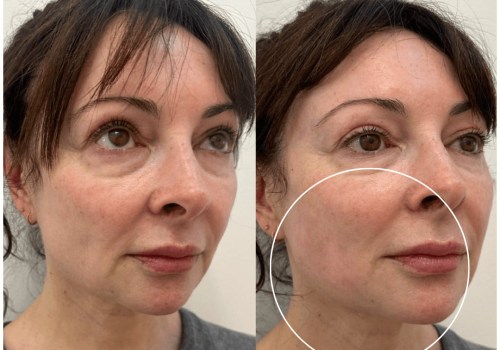
Polynucleotide injections have emerged as a revolutionary treatment in the realm of skin rejuvenation, offering a multitude of benefits that cater to those seeking to enhance their skin's health and appearance.These injections, derived from natural sources, are designed to stimulate the body’s own healing processes, leading to remarkable improvements in skin quality.One of the primary benefits of polynucleotide injections is their ability to significantly improve skin texture. As we age, our skin often becomes rough and uneven due to a decrease in collagen production. Polynucleotides work by promoting collagen synthesis, which helps restore the skin's smoothness and suppleness. Patients frequently report a noticeable difference in the feel of their skin shortly after treatment.In addition to enhancing texture, these injections also play a crucial role in boosting skin elasticity.
With age, the skin loses its firmness and begins to sag, leading to the formation of fine lines and wrinkles. By stimulating elastin production alongside collagen, polynucleotide injections help maintain the skin's structural integrity, resulting in a more youthful appearance.Moreover, polynucleotide treatments are known for their ability to improve overall skin tone and radiance. The regenerative properties of polynucleotides encourage cellular turnover and repair, which can diminish the appearance of pigmentation irregularities and promote a more even complexion. This revitalisation can leave the skin looking brighter and healthier.Another significant advantage is the minimal downtime associated with polynucleotide injections.
Unlike more invasive procedures that may require extended recovery periods, patients can typically resume their daily activities shortly after treatment. This convenience makes it an attractive option for those with busy lifestyles who still wish to achieve effective anti-aging results.Furthermore, polynucleotide injections are generally well-tolerated with few side effects, making them suitable for a wide range of individuals. The natural composition of these injections reduces the risk of adverse reactions compared to synthetic alternatives.In summary, the benefits of polynucleotide injections extend beyond mere cosmetic enhancements; they represent a holistic approach to skin health that promotes rejuvenation from within. As awareness grows regarding their effectiveness in combating signs of aging, it is no surprise that these treatments are gaining popularity among those seeking a youthful glow.
Potential Side Effects and Risks Associated with Polynucleotide Injections
Polynucleotide injections have gained popularity as a non-surgical option for skin rejuvenation, but like any medical procedure, they come with potential side effects and risks that patients should be aware of.Understanding these aspects is crucial for making an informed decision about treatment.One of the most common side effects following polynucleotide injections is temporary redness at the injection site. This occurs as the skin reacts to the introduction of the polynucleotides, leading to increased blood flow in the area. Typically, this redness subsides within a few hours to a day, depending on individual skin sensitivity.
Swelling
is another frequent occurrence post-treatment. This localized inflammation is part of the body’s natural healing response and can promote cellular activity and collagen stimulation.
Mild swelling usually resolves within a few days, but applying a cold compress can help alleviate discomfort and reduce swelling more quickly.Patients may also experience bruising , particularly in areas where blood vessels are more superficial. This can happen due to minor injuries to blood vessels during the injection process. Bruises typically fade within a week and can be minimised by avoiding anticoagulants before treatment.In some cases, individuals may notice itching or tenderness in the treated area. These sensations are generally mild and indicate that the body is responding positively to the treatment.
However, if these symptoms persist or worsen, it is advisable to consult with a healthcare professional.While serious complications are rare, they can occur. Allergic reactions to polynucleotide injections are uncommon but possible, especially if the injected material contains substances like fish DNA. Symptoms may include severe itching, swelling, or redness, necessitating immediate medical attention.
Granulomas
, which are small lumps that form as an immune response to foreign substances, can also develop weeks or months after treatment. Although these are typically harmless, they may require further intervention if they do not resolve on their own.A more serious risk associated with polynucleotide injections is vascular occlusion , which occurs when the injected material inadvertently blocks a blood vessel.
This can restrict blood flow to surrounding tissues and may lead to tissue damage if not addressed promptly. Signs of vascular occlusion include increased pain, discolouration, and coldness in the affected area.To mitigate these risks, it is essential for patients to choose qualified practitioners who are experienced in administering polynucleotide injections. Proper post-treatment care is equally important in minimising complications and ensuring optimal results.In summary, while polynucleotide injections offer promising benefits for skin rejuvenation, being aware of potential side effects and risks allows patients to prepare adequately and seek timely assistance if needed.
Who Should Consider Polynucleotide Injections?
Polynucleotide injections have gained popularity as a non-surgical option for skin rejuvenation, but not everyone is an ideal candidate for this treatment. Understanding who can benefit from these injections is crucial for achieving the best results.Age Considerations
While there is no strict age limit for receiving polynucleotide injections, they are generally most effective for individuals aged 30 and above.
This is primarily because, as we age, our skin naturally loses collagen and elastin, leading to wrinkles and sagging. Those in their 30s to 50s often seek these treatments to combat early signs of aging, while individuals over 50 may use them to enhance skin texture and elasticity further.
Skin Types and Conditions
Polynucleotide injections can be suitable for various skin types, including:
- Dry Skin: Individuals with dry or dehydrated skin may find that polynucleotide injections help restore moisture and improve overall skin quality.
- Sensitive Skin: Those with sensitive skin may also benefit, as the natural components of polynucleotides can promote healing without harsh chemicals.
- Aging Skin: Older adults experiencing significant loss of elasticity and firmness are prime candidates, as these injections stimulate collagen production.
Who Should Avoid Treatment?
While many can benefit from polynucleotide injections, some individuals should approach this treatment with caution or avoid it altogether. These include:
- Those with known allergies to any components of the injection.
- Individuals with autoimmune disorders that may affect healing.
- Pregnant or breastfeeding women should also refrain from this treatment until after they have completed their breastfeeding journey.
By considering age, skin type, and individual health conditions, potential candidates can make informed decisions about whether this treatment aligns with their skincare goals.
Comparing Polynucleotide Injections with Other Anti-Aging Treatments
As the quest for youthful skin continues, various anti-aging treatments have emerged, each with its unique mechanisms and benefits. Among these, polynucleotide injections have gained attention for their regenerative properties. To understand their place in the anti-aging landscape, it is essential to compare them with other popular treatments such as dermal fillers and Botox.Polynucleotides vs. Dermal Fillers
- Mechanism of Action: Dermal fillers primarily work by adding volume to specific areas of the face, effectively plumping up wrinkles and fine lines.
They are typically made from substances like hyaluronic acid, which attracts moisture to the skin. In contrast, polynucleotide injections stimulate the body’s natural healing processes, promoting collagen and elastin production, which can lead to improved skin texture and elasticity over time.
- Longevity of Results: The effects of dermal fillers can last anywhere from six months to two years, depending on the type used and individual factors. On the other hand, while polynucleotide results may take longer to manifest—often visible within a few weeks—they can last up to 12 months or more as the skin continues to regenerate.
- Side Effects: Both treatments come with potential side effects. Dermal fillers may cause swelling, bruising, or lumps at the injection site.
Polynucleotide injections can also lead to temporary redness and swelling but are generally considered to have a lower risk of severe complications.
Polynucleotides vs. Botox
- Functionality: Botox works by temporarily paralyzing muscles to reduce the appearance of dynamic wrinkles caused by facial expressions. In contrast, polynucleotide injections do not affect muscle movement but instead enhance skin quality through cellular regeneration.
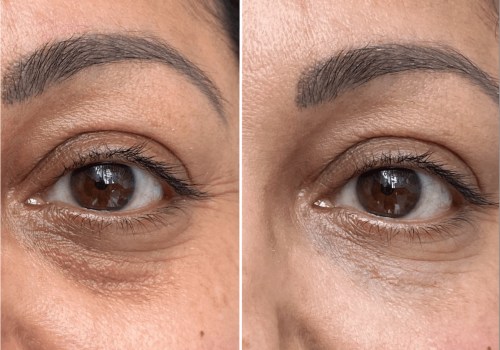
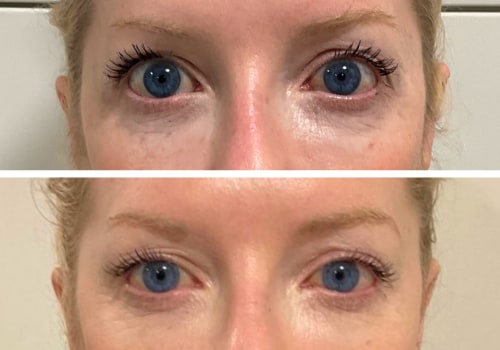
- Target Areas: While Botox is primarily used for forehead lines, crow's feet, and frown lines, polynucleotides can be applied more broadly across various skin types and areas, including delicate regions like under the eyes.
- Duration of Effects: Botox results typically last three to six months before re-treatment is necessary. In comparison, polynucleotide injections may offer longer-lasting improvements in skin quality due to their regenerative nature.
Effectiveness of Polynucleotides
The effectiveness of polynucleotide injections is supported by emerging research that highlights their ability to improve skin texture and reduce signs of aging.
Early studies indicate that patients experience significant improvements in skin hydration and elasticity following treatment. As more clinical data becomes available, polynucleotides may solidify their position as a valuable option in the anti-aging arsenal.In conclusion, while polynucleotide injections, dermal fillers, and Botox each offer distinct advantages in combating signs of aging, the choice ultimately depends on individual needs and desired outcomes. Consulting with a qualified practitioner can help determine the most suitable treatment plan tailored to specific skin concerns.
What to Expect During and After Treatment
Undergoing polynucleotide injections is a straightforward process, but understanding what to expect can help alleviate any anxiety and ensure a smooth experience. The treatment typically begins with a consultation where the practitioner assesses your skin and discusses your goals.This initial step is crucial as it allows for a tailored approach to your specific needs.
During the Treatment
On the day of the procedure, you will be asked to arrive at the clinic with clean skin, free from makeup or skincare products. The practitioner will start by applying a topical anaesthetic to minimise discomfort during the injections. Once the area is numbed, they will use a fine needle to inject the polynucleotide solution into targeted areas of your skin.The injections are typically administered in a series of small doses, allowing for precise placement and minimising trauma to the surrounding tissue. The entire process usually takes between 30 to 60 minutes, depending on the number of areas being treated.
Patients often report feeling only mild discomfort, akin to a pinprick sensation.
Aftercare Tips
Post-treatment care is essential for achieving optimal results and minimising side effects. Here are some key aftercare tips:
- Avoid Touching: Refrain from touching or rubbing the treated area for at least 24 hours to prevent irritation or infection.
- Cold Compress: Applying a cold compress can help reduce swelling and redness immediately after treatment.
- Hydration: Keep your skin well-hydrated by using gentle moisturisers and drinking plenty of water.
- Avoid Sun Exposure: Protect your skin from direct sunlight for at least two weeks post-treatment. Use a broad-spectrum sunscreen with an SPF of 30 or higher.
- No Strenuous Activity: Avoid intense exercise or activities that cause excessive sweating for 48 hours to allow your skin to heal properly.
Recovery Time
The recovery time after polynucleotide injections is generally minimal. Most patients can return to their daily activities immediately following the procedure, although some may experience mild swelling or redness at the injection sites.
These effects typically subside within 24 to 72 hours. It’s important to note that while you may see initial improvements in your skin's appearance shortly after treatment, the full benefits will develop over several weeks as collagen production increases.In summary, understanding the treatment process and adhering to aftercare guidelines can significantly enhance your experience with polynucleotide injections, leading to more satisfying results and healthier-looking skin.
Expert Opinions on Polynucleotide Injections
As the popularity of polynucleotide injections continues to rise, many dermatologists and aesthetic practitioners have begun to weigh in on their efficacy and safety. These expert opinions are crucial for potential patients seeking reliable information before undergoing treatment.Dr. Sarah Thompson, a renowned dermatologist based in London, notes that while the initial results from polynucleotide injections are promising, it is essential to approach these treatments with caution."The regenerative properties of polynucleotides can indeed stimulate collagen production and improve skin texture," she explains. "However, the long-term effects are still under investigation, and more extensive clinical studies are needed to fully understand their impact on skin health over time."In a recent clinical study published in the journal Aesthetic Dermatology, researchers evaluated the effectiveness of polynucleotide injections in reducing fine lines and wrinkles. The study involved a cohort of 100 participants who received treatment over a six-month period. Results indicated a significant improvement in skin elasticity and hydration levels, with 75% of participants reporting noticeable changes in their skin's appearance.Dr.
James Patel, an aesthetic practitioner with over a decade of experience, emphasizes the importance of patient selection when considering polynucleotide treatments. "Not every patient is a suitable candidate for these injections," he states. "Those with certain skin conditions or sensitivities may experience adverse reactions. Therefore, a thorough consultation is vital to assess individual needs and expectations."Moreover, Dr.
Patel highlights that while side effects such as redness and swelling are common post-treatment responses, they typically resolve within a few days. He advises patients to follow post-procedure care instructions diligently to minimize risks.Overall, expert reviews suggest that while polynucleotide injections show potential as an anti-aging treatment, ongoing research and professional guidance are essential for ensuring patient safety and satisfaction. As more clinical studies emerge, the aesthetic community will gain deeper insights into the long-term benefits and risks associated with this innovative treatment.
Frequently Asked Questions about Polynucleotide Injections
Polynucleotide injections have gained significant attention in recent years, leading to numerous questions and misconceptions. Below, we address some of the most frequently asked questions to help clarify any doubts potential patients may have.- What are polynucleotide injections?
Polynucleotide injections involve the use of long chains of nucleotides, which are the building blocks of DNA and RNA.These injections are designed to stimulate the body’s natural healing processes, promoting skin rejuvenation and improving overall skin quality.
- How do polynucleotide injections work?
The mechanism behind these injections is based on their ability to interact with specific receptors on skin cells. This interaction encourages cellular regeneration and boosts the production of collagen and elastin, essential proteins that maintain skin elasticity and firmness. - Are there any side effects?
While polynucleotide injections are generally considered safe, some patients may experience mild side effects such as redness, swelling, or bruising at the injection site. These effects are typically temporary and resolve within a few days. It is crucial to follow post-treatment care instructions to minimise risks. - Who is a suitable candidate for this treatment?
Ideal candidates for polynucleotide injections include individuals looking to improve skin texture, reduce fine lines, or enhance overall skin appearance.However, those with certain medical conditions or allergies should consult with a qualified practitioner before proceeding.
- How long do the results last?
Results from polynucleotide injections can be visible within a few weeks and may last up to 12 months, depending on individual factors such as skin type and age. Regular maintenance treatments can help prolong the effects. - Are there any myths surrounding polynucleotide injections?
One common myth is that these injections provide instant results. In reality, while some improvements may be seen shortly after treatment, optimal results typically develop over time as collagen production increases. Another misconception is that all injectable treatments are painful; however, many practitioners use numbing agents to ensure patient comfort during the procedure.
Always consult with a qualified professional to discuss your specific needs and concerns.
Conclusion: The Future of Polynucleotide Injections in Aesthetic Medicine
As we draw our exploration of polynucleotide injections to a close, it is essential to reflect on the significant advancements and potential these treatments hold for the future of aesthetic medicine. The increasing popularity of polynucleotide injections is not merely a trend; it represents a shift towards more natural and effective methods of skin rejuvenation.Throughout this article, we have examined the mechanisms by which polynucleotides work, their role in stimulating collagen and elastin production, and their effectiveness in addressing common signs of aging such as wrinkles and sagging skin. The evidence, albeit still emerging, suggests that these injections can lead to noticeable improvements in skin texture and elasticity, offering patients a viable alternative to more invasive procedures.Looking ahead, the future of polynucleotide injections in aesthetic medicine appears promising. As research continues to evolve, we can anticipate:- Enhanced Formulations: Ongoing studies may lead to the development of more refined polynucleotide products that enhance efficacy and reduce side effects.
- Broader Applications: Beyond facial rejuvenation, polynucleotides could find applications in treating other areas of the body, including neck and décolletage treatments.
- Integration with Other Treatments: Combining polynucleotide injections with other aesthetic procedures may yield synergistic effects, enhancing overall results.
- Increased Accessibility: As awareness grows and technology advances, these treatments may become more widely available, making them accessible to a broader demographic.
As with any medical procedure, understanding the anatomy and potential complications is vital for achieving optimal outcomes.In conclusion, while polynucleotide injections are still relatively new in the realm of aesthetic treatments, their potential is undeniable. With continued research and innovation, they may well become a cornerstone of non-surgical anti-aging therapies, offering patients effective solutions that align with their desires for natural-looking results.