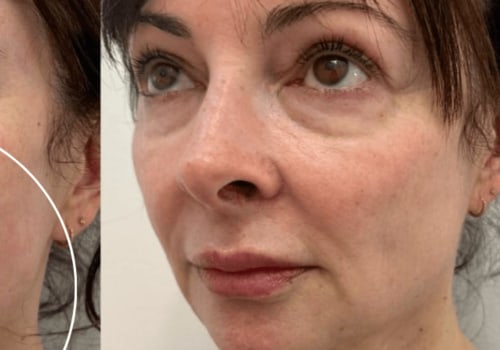
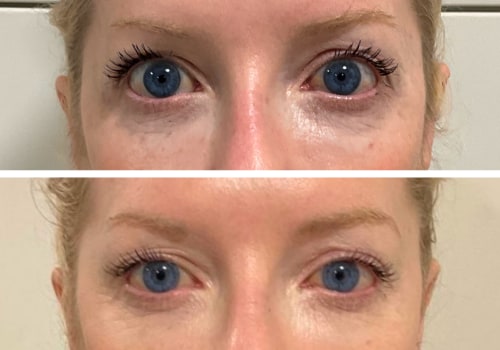
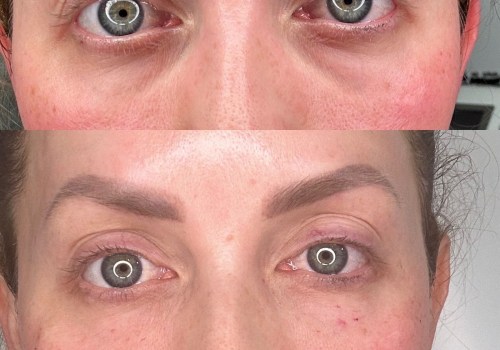
Polynucleotides are essential biomolecules composed of long chains of nucleotides, which are the building blocks of DNA and RNA. These molecules play a pivotal role in various biological processes, including cell growth, repair, and regeneration. In the context of aesthetic treatments, particularly for the delicate skin around the eyes, polynucleotides have garnered significant attention due to their remarkable ability to stimulate natural healing mechanisms within the body.The benefits of polynucleotides extend beyond mere skin rejuvenation. They are known to enhance collagen production, improve skin elasticity, and promote hydration.
This is particularly beneficial for the eye area, where skin is thinner and more prone to signs of aging such as fine lines, wrinkles, and sagging. By introducing polynucleotides into the skin through injections, practitioners aim to harness these biological properties to restore a youthful appearance and improve overall skin quality.Understanding how polynucleotides work is crucial for anyone considering these treatments. When injected into the skin, they interact with various cellular processes that lead to increased blood flow and nutrient delivery to the treated area. This not only accelerates healing but also encourages the production of new cells and collagen fibres, resulting in firmer and more resilient skin.
As a result, patients often report visible improvements in skin texture and tone shortly after treatment.In summary, polynucleotides represent a fascinating intersection of biology and aesthetics. Their ability to promote natural healing and rejuvenation makes them a compelling option for those seeking to enhance their appearance while leveraging the body’s innate capabilities. As we delve deeper into this topic, it becomes evident that understanding polynucleotides is fundamental for appreciating their role in modern aesthetic treatments.
The Mechanism of Action in Eye Treatments
Polynucleotide treatments, particularly in the context of eye rejuvenation, operate through a sophisticated mechanism that harnesses the body’s natural healing processes. At the core of these treatments are polynucleotides, which are fragments of DNA or RNA that play a pivotal role in cellular functions, including growth, repair, and regeneration.When injected into the skin around the eyes, polynucleotides stimulate a series of biological responses that contribute to skin rejuvenation.Here’s how the mechanism works:
- Cellular Regeneration: Polynucleotides promote the proliferation of fibroblasts, the cells responsible for producing collagen and elastin. These proteins are essential for maintaining skin structure and elasticity. By enhancing fibroblast activity, polynucleotide treatments help restore youthful skin texture and firmness.
- Increased Collagen Production: The introduction of polynucleotides into the dermis triggers an increase in collagen synthesis. Collagen is vital for skin strength and resilience, and its production diminishes with age.
By boosting collagen levels, these treatments can significantly reduce the appearance of fine lines and wrinkles around the eyes.
- Improved Skin Hydration: Polynucleotides have a unique ability to retain moisture within the skin. This hydrating effect not only enhances skin plumpness but also contributes to a more radiant complexion. Well-hydrated skin appears smoother and more youthful.
- Anti-Inflammatory Properties: In addition to promoting healing, polynucleotides possess anti-inflammatory properties that can help reduce redness and swelling post-treatment. This is particularly beneficial for sensitive areas like the eyes, where inflammation can lead to discomfort and prolonged recovery times.
Patients often report a revitalised look, with reduced dark circles and puffiness, alongside enhanced skin texture.Understanding this mechanism not only highlights the efficacy of polynucleotide treatments but also underscores their potential as a safe and effective option for those seeking non-surgical solutions for eye rejuvenation. As research continues to evolve, we can expect further insights into optimising these treatments for even better outcomes.
Benefits of Polynucleotide Treatments for the Eyes
Polynucleotide treatments for the eyes have gained significant traction in the realm of aesthetic medicine, primarily due to their remarkable benefits in enhancing the skin's appearance and overall health. These treatments leverage the natural properties of polynucleotides, which are essential for cellular repair and regeneration, making them particularly effective for the delicate skin surrounding the eyes.One of the most notable benefits of polynucleotide treatments is their ability to improve skin elasticity. As we age, our skin naturally loses collagen and elastin, leading to sagging and a lack of firmness.By introducing polynucleotides into the skin, these treatments stimulate collagen production, resulting in a more resilient and youthful appearance. Patients often report a noticeable tightening effect, which can significantly enhance the contour of the eye area.In addition to improving elasticity, polynucleotide treatments are also effective in reducing fine lines and wrinkles. The eye area is particularly susceptible to signs of aging due to its thin skin and constant movement. The regenerative properties of polynucleotides help to fill in these lines from within, promoting smoother skin texture and a reduction in the depth of wrinkles.
This rejuvenation not only enhances aesthetic appeal but also boosts self-confidence.Another advantage of these treatments is their ability to improve overall skin tone and texture. Many patients experience a brighter and more even complexion around their eyes following treatment. This is particularly beneficial for individuals who may have dark circles or pigmentation issues, as polynucleotides can help to promote a more uniform skin tone.Moreover, polynucleotide treatments are minimally invasive with relatively low downtime compared to more aggressive procedures. Patients can typically resume their daily activities shortly after treatment, making it an attractive option for those with busy lifestyles.
The procedure itself is quick, often taking less than an hour, which adds to its appeal.Lastly, the safety profile of polynucleotide treatments is another significant benefit. Since these substances are naturally occurring in the body, they are generally well-tolerated with minimal risk of adverse reactions. This makes them suitable for a wide range of patients seeking non-surgical options for eye rejuvenation.In summary, the benefits of polynucleotide treatments for the eyes are multifaceted, encompassing improved elasticity, reduced fine lines, enhanced skin tone, minimal invasiveness, and a strong safety profile. These advantages make them an excellent choice for anyone looking to rejuvenate their appearance while maintaining a natural look.
Potential Side Effects and Risks
When considering polynucleotide treatments for the delicate skin around the eyes, it is essential to be aware of the potential side effects and risks involved.While these treatments can offer significant aesthetic benefits, understanding the possible adverse reactions can help patients make informed decisions.
Common Side Effects
One of the most frequently reported side effects of polynucleotide treatments is redness at the injection site. This reaction is typically mild and subsides within a few days. However, some individuals may experience more pronounced swelling or bruising, which can last up to a week. To alleviate these symptoms, applying ice packs immediately after treatment can be beneficial.Pain
during the procedure is another concern for many patients.
The injections may cause discomfort, particularly for those with a low pain threshold. To mitigate this, practitioners often recommend using a topical numbing cream prior to the procedure or taking over-the-counter pain relief medication.
Less Common Risks
In rare instances, patients may develop an infection at the injection site. This risk underscores the importance of selecting a qualified and experienced provider who adheres to strict hygiene protocols. Patients should also follow aftercare instructions diligently to minimise this risk.Allergic reactions, although uncommon, can occur in some individuals.Symptoms may include rash, itching, or hives around the treated area. It is crucial for patients with a history of allergies to inform their healthcare provider before undergoing treatment.
Long-term Considerations
Another potential issue is the formation of lumps or bumps under the skin following treatment. While these are usually temporary and can often be gently massaged out, persistent or painful lumps should prompt a consultation with a healthcare provider for further evaluation.While the side effects associated with polynucleotide treatments are generally manageable and relatively rare, it is vital for patients to weigh these risks against the potential benefits. Engaging in thorough discussions with a qualified practitioner can help ensure that any concerns are addressed and that patients feel confident in their treatment choices.Managing Side Effects: Tips and Best Practices
After undergoing polynucleotide treatments for the eyes, it is essential to follow specific aftercare practices to manage potential side effects effectively.Here are some practical tips to help you minimise discomfort and promote optimal healing.
1.Immediate Post-Treatment Care
- Apply Ice Packs: To reduce swelling and redness, gently apply ice packs to the treated area for 10-15 minutes at a time. Ensure that the ice pack is wrapped in a cloth to avoid direct contact with the skin.
- Avoid Touching the Area: Refrain from touching, rubbing, or applying pressure to the injection site for at least 24 hours post-treatment. This helps prevent irritation and potential infection.
- Keep the Area Clean: Maintain cleanliness by gently cleansing the area with a mild cleanser. Avoid harsh products or exfoliants that could irritate the skin.
2.Managing Pain and Discomfort
- Over-the-Counter Pain Relief: If you experience discomfort, consider taking over-the-counter pain relief medication, such as paracetamol or ibuprofen, as directed on the packaging.
- Topical Numbing Cream: Discuss with your provider about using a topical numbing cream before your treatment to help alleviate discomfort during and after the procedure.
3.Monitoring for Complications
- Watch for Signs of Infection: Keep an eye out for any unusual symptoms such as increased redness, warmth, or pus at the injection site.
If these occur, contact your healthcare provider immediately.
- Report Allergic Reactions: If you notice any rash, itching, or hives following treatment, inform your provider right away, especially if you have a history of allergies.
4.Long-Term Aftercare
- Avoid Sun Exposure: Protect your skin from sun exposure by wearing sunglasses and applying sunscreen to prevent pigmentation changes and further skin damage.
- Stay Hydrated: Drink plenty of water to keep your skin hydrated and support its natural healing processes.
- Follow-Up Appointments: Attend any scheduled follow-up appointments with your provider to monitor your progress and address any concerns that may arise.
Choosing a Qualified Provider for Treatment
When considering polynucleotide treatments for the delicate skin around your eyes, selecting a qualified provider is paramount. The right practitioner can significantly influence the outcome of your treatment, ensuring both safety and satisfaction. Here are some essential factors to consider when choosing a provider:- Qualifications and Credentials: Look for a provider who is a licensed medical professional, such as a dermatologist or plastic surgeon, with specific training in aesthetic treatments.
Verify their credentials and ensure they have experience with polynucleotide injections. Professional associations or certifications can also indicate a commitment to ongoing education in the field.
- Experience with Polynucleotide Treatments: Not all aesthetic practitioners have the same level of experience with polynucleotide treatments. Inquire about how many procedures they have performed and their success rates. A provider who regularly administers these treatments is likely to be more skilled and knowledgeable about potential complications.
- Facility Standards: Ensure that the treatment facility adheres to high standards of hygiene and safety.
It should be clean, well-organised, and equipped with the necessary tools and technology for administering polynucleotide treatments safely.
- Patient Reviews and Testimonials: Researching patient reviews can provide valuable insights into the provider's reputation. Look for testimonials on their website or third-party review sites. Pay attention to comments regarding the results of treatments, the professionalism of the staff, and overall patient satisfaction.
- Consultation Process: A reputable provider will offer an initial consultation to discuss your goals, assess your suitability for treatment, and explain the procedure in detail. This is an opportunity to ask questions about their experience, techniques used, and any potential risks involved.
If something feels off or if you feel rushed into making a decision, it may be wise to seek another opinion. Remember that this is a personal choice that should be made with careful consideration.In conclusion, taking the time to choose a qualified provider for your polynucleotide treatments can lead to better results and a more satisfying experience. By focusing on qualifications, experience, facility standards, patient reviews, and thorough consultations, you can make an informed decision that prioritises your safety and desired outcomes.
Frequently Asked Questions about Polynucleotide Treatments
As the popularity of polynucleotide treatments continues to rise, many potential patients have questions and concerns regarding the procedure. Below are some of the most frequently asked questions that can help clarify what to expect from these treatments.What are polynucleotide treatments?
Polynucleotide treatments involve the injection of a solution containing polynucleotides, which are naturally occurring molecules in the body that play a vital role in cellular repair and regeneration.These treatments aim to enhance skin quality around the eyes by stimulating collagen production and improving skin elasticity.
Are polynucleotide treatments safe?
Generally, polynucleotide treatments are considered safe when performed by a qualified and experienced practitioner. However, as with any medical procedure, there are potential risks and side effects. It is essential to discuss your medical history and any concerns with your provider before undergoing treatment.What side effects should I expect?
Common side effects include:- Redness and swelling: These are typical reactions at the injection site and usually resolve within a few days.
- Pain or discomfort: Some patients may experience mild pain during or after the procedure, which can often be managed with over-the-counter pain relief.
- Allergic reactions: Although rare, some individuals may have an allergic response to the injected solution, resulting in rashes or hives.
- Lumps or bumps: Temporary lumps may form under the skin but can often be massaged out gently.
How long do the results last?
The longevity of results from polynucleotide treatments can vary depending on individual factors such as skin type, age, and lifestyle. Typically, patients can expect to see improvements lasting several months, with optimal results often achieved after a series of treatments.How many sessions will I need?
The number of sessions required varies based on individual goals and skin condition.Most practitioners recommend an initial series of two to three sessions spaced a few weeks apart, followed by maintenance treatments as needed.
Can anyone undergo polynucleotide treatments?
While many people are suitable candidates for these treatments, those with certain medical conditions or allergies may need to avoid them. It is crucial to have a thorough consultation with your provider to determine if this treatment is right for you.If you have further questions or concerns about polynucleotide treatments, do not hesitate to reach out to your healthcare provider for personalised advice and information.Conclusion: The Future of Polynucleotide Treatments in Aesthetics
In summary, the exploration of polynucleotide treatments for the delicate skin around the eyes has unveiled a promising avenue in aesthetic medicine. As we have discussed, these treatments harness the natural properties of polynucleotides to stimulate cellular regeneration and enhance skin quality. The potential benefits, including improved elasticity and collagen production, position polynucleotides as a compelling option for those seeking non-invasive solutions to combat signs of ageing.However, it is essential to approach these treatments with a balanced perspective.While the side effects associated with polynucleotide injections are generally mild and manageable, patients must remain informed and vigilant. Understanding the possible reactions, such as redness, swelling, or allergic responses, empowers individuals to make educated decisions regarding their aesthetic choices.Looking ahead, the future of polynucleotide treatments in aesthetics appears bright. Ongoing research and clinical trials are likely to expand our understanding of their efficacy and safety profile. As more data becomes available, we can anticipate advancements in techniques and formulations that may enhance patient outcomes further.Moreover, as the demand for minimally invasive procedures continues to rise, practitioners will need to stay abreast of the latest developments in polynucleotide therapies.
This includes not only mastering injection techniques but also understanding the nuances of patient selection and aftercare protocols.In conclusion, while polynucleotide treatments represent an exciting frontier in aesthetic medicine, they should be approached with careful consideration and professional guidance. As we continue to explore their potential, it is crucial for both practitioners and patients to engage in open dialogue about expectations and experiences. By doing so, we can ensure that these innovative treatments are used safely and effectively, paving the way for a new era in aesthetic rejuvenation.