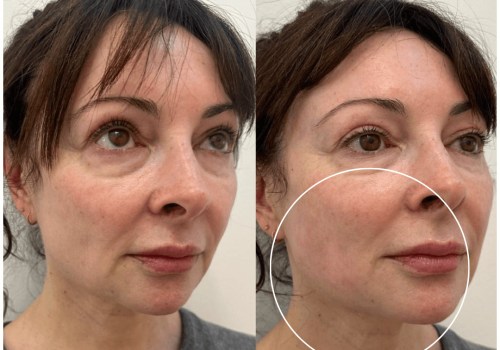
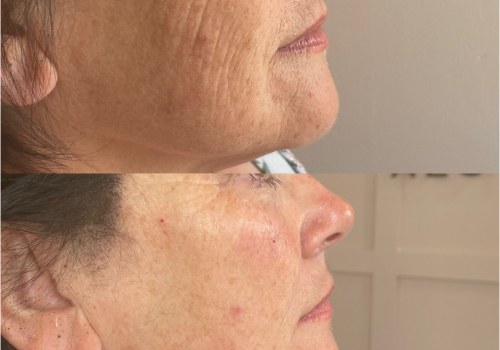
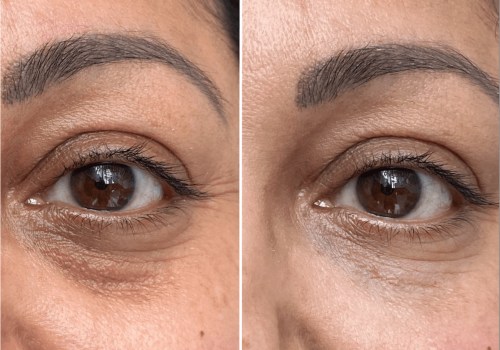
Polynucleotides are essential biological macromolecules composed of long chains of nucleotide units, which are the building blocks of DNA and RNA. These molecules play a crucial role in various biological processes, including the storage and transmission of genetic information, protein synthesis, and cellular regulation. In recent years, the application of polynucleotides in medical treatments has garnered significant attention, particularly in the field of regenerative medicine and aesthetic therapies. Their unique properties allow for innovative approaches to enhance skin quality and promote healing.In the context of medical treatments, polynucleotide treatments involve the use of these nucleic acid chains to stimulate cellular activity and regeneration.
By introducing polynucleotides into targeted areas of the body, practitioners aim to harness their natural ability to promote collagen production, improve skin elasticity, and enhance overall tissue repair. This has led to a growing interest in polynucleotide-based therapies as a non-surgical option for individuals seeking to rejuvenate their appearance or address specific skin concerns.The benefits of polynucleotides extend beyond mere cosmetic enhancements. Research indicates that these treatments can aid in wound healing, reduce inflammation, and improve the skin's overall texture and tone. As a result, patients are increasingly turning to polynucleotide therapies as a viable alternative to more invasive procedures.
However, it is essential to understand both the advantages and potential drawbacks associated with these treatments to make informed decisions about their use.
How Polynucleotide Treatments Work
Polynucleotide treatments are gaining traction in the realm of aesthetic medicine, primarily due to their remarkable ability to rejuvenate the skin and promote cellular regeneration. Understanding the underlying mechanisms of these treatments is essential for appreciating their benefits and potential applications.At the core of polynucleotide therapy is the use of polynucleotides , which are naturally occurring molecules composed of long chains of nucleotides. These molecules play a crucial role in various biological processes, including DNA and RNA synthesis, which are fundamental to cellular function and repair.When administered through injections, polynucleotides stimulate the body’s natural healing processes. The mechanism of action can be broken down into several key components:- Cellular Regeneration: Polynucleotides enhance the proliferation of fibroblasts, the cells responsible for producing collagen and elastin.
This increase in fibroblast activity leads to improved skin elasticity and firmness.
- Collagen Production: By promoting collagen synthesis, polynucleotide treatments help restore the skin's structural integrity. Collagen is vital for maintaining skin hydration and reducing the appearance of fine lines and wrinkles.
- Anti-Inflammatory Effects: Polynucleotides possess anti-inflammatory properties that can help reduce redness and swelling post-treatment. This is particularly beneficial for individuals with sensitive skin or those prone to irritation.
- Hydration: These treatments also enhance moisture retention within the skin, leading to a plumper and more youthful appearance. The hydrophilic nature of polynucleotides allows them to attract and hold water molecules, contributing to overall skin hydration.
Once injected, they interact with local cells, triggering a cascade of biological responses that culminate in tissue repair and rejuvenation. Over time, patients may notice significant improvements in skin texture, tone, and overall appearance.In summary, polynucleotide treatments work by harnessing the power of these natural molecules to stimulate cellular regeneration, enhance collagen production, reduce inflammation, and improve hydration. This multifaceted approach not only rejuvenates the skin but also promotes long-term health and vitality, making it a compelling option for those seeking non-surgical aesthetic enhancements.
Benefits of Polynucleotide Treatments
Polynucleotide treatments have emerged as a revolutionary option in the realm of aesthetic medicine, offering a multitude of benefits that cater to individuals seeking to enhance their skin quality and overall appearance. These treatments harness the power of polynucleotides, which are naturally occurring molecules that play a crucial role in cellular regeneration and repair.One of the most significant advantages of polynucleotide treatments is their ability to improve skin texture.Patients often report a noticeable enhancement in the smoothness and elasticity of their skin following treatment. This improvement is largely attributed to the stimulation of collagen production, which is essential for maintaining skin structure and firmness. As we age, collagen levels naturally decline, leading to sagging and wrinkles. By introducing polynucleotides into the skin, practitioners can effectively boost collagen synthesis, resulting in a more youthful appearance.In addition to collagen stimulation, polynucleotide treatments also promote cell regeneration.
This process helps to repair damaged skin cells and encourages the growth of new, healthy cells. As a result, patients may experience a reduction in the visibility of fine lines, scars, and other imperfections. The regenerative properties of polynucleotides make them particularly beneficial for individuals with acne scars or sun damage.Moreover, these treatments are known for their anti-inflammatory properties , which can help soothe irritated skin and reduce redness. This is especially advantageous for those with sensitive skin or conditions such as rosacea.
By calming inflammation, polynucleotides contribute to an overall improvement in skin health.Another noteworthy benefit is the minimal downtime associated with polynucleotide treatments. Unlike more invasive procedures, patients can typically resume their daily activities shortly after treatment. This convenience makes it an appealing option for those with busy lifestyles who wish to enhance their appearance without significant interruption.In summary, the benefits of polynucleotide treatments extend beyond mere cosmetic enhancements. With their ability to improve skin texture, stimulate collagen production, promote cell regeneration, and reduce inflammation, these treatments offer a comprehensive approach to achieving healthier, more radiant skin.
As awareness of these advantages grows, more individuals are likely to consider polynucleotide therapy as a viable option for their skincare needs.
Potential Risks and Side Effects
While polynucleotide treatments have gained traction for their regenerative properties, it is essential to consider the potential risks and side effects associated with these procedures. Understanding these factors can empower patients to make informed decisions regarding their treatment options.One of the most frequently reported side effects of polynucleotide treatments is mild bruising and swelling at the injection site. This reaction is typically a result of the injection process itself, where small blood vessels may be ruptured. Although these symptoms are generally temporary and resolve within a few days, patients should be aware that bruising can be minimised by avoiding anticoagulant medications prior to treatment and applying topical agents such as arnica gel or vitamin K cream post-procedure.Another concern is the possibility of allergic reactions.Although rare, some individuals may experience adverse responses to the injected material, particularly if they have sensitivities to fish DNA, which is a component of many polynucleotide products. Symptoms of an allergic reaction can include itching, redness, swelling, and in severe cases, difficulty breathing. It is crucial for patients to communicate any known allergies to their healthcare provider before undergoing treatment.Infections represent another potential risk associated with polynucleotide injections. If proper sterile techniques are not adhered to during the procedure or if post-injection care is neglected, bacteria can enter the injection site, leading to complications such as swelling, heat, and increased pain.
To mitigate this risk, it is vital for practitioners to maintain strict hygiene protocols and for patients to follow aftercare instructions diligently.Granulomas, which are small lumps that may form as an immune response to injected materials, are also a rare but noteworthy side effect. These can develop weeks or even months after treatment and may require medical intervention if they persist or cause discomfort.The most serious but infrequent complication associated with polynucleotide treatments is vascular occlusion. This occurs when the injection inadvertently blocks a blood vessel, restricting blood flow to surrounding tissues. Signs of vascular occlusion include increased pain, discolouration, and coldness around the injection site.
Immediate medical attention is essential in such cases to restore circulation and prevent tissue damage.It is important to note that unlike dermal fillers, polynucleotide treatments cannot be reversed due to their non-soluble nature. Therefore, if a patient is dissatisfied with their results, they must wait for the product to naturally degrade over time.In summary, while polynucleotide treatments offer promising benefits for skin rejuvenation and cellular regeneration, potential risks and side effects must be carefully considered. By choosing a qualified practitioner and adhering to pre- and post-treatment guidelines, patients can significantly reduce their chances of experiencing adverse effects.Immediate medical attention is essential in such cases to restore circulation and prevent tissue damage.It is important to note that unlike dermal fillers, polynucleotide treatments cannot be reversed due to their non-soluble nature. Therefore, if a patient is dissatisfied with their results, they must wait for the product to naturally degrade over time.In summary, while polynucleotide treatments offer promising benefits for skin rejuvenation and cellular regeneration, potential risks and side effects must be carefully considered. By choosing a qualified practitioner and adhering to pre- and post-treatment guidelines, patients can significantly reduce their chances of experiencing adverse effects.
Who is a Suitable Candidate for Polynucleotide Treatments?
Determining the suitability of patients for polynucleotide treatments is crucial for achieving optimal results and minimising potential risks. While these treatments can offer significant benefits, not everyone is an ideal candidate.Understanding the characteristics of suitable candidates and identifying contraindications is essential for both practitioners and patients.
Who Can Benefit from Polynucleotide Treatments?
- Individuals Seeking Skin Rejuvenation: Those looking to improve skin texture, elasticity, and overall appearance may find polynucleotide treatments particularly beneficial. This includes patients with signs of ageing, such as fine lines and wrinkles.
- Patients with Scarring: Individuals with acne scars or other types of skin imperfections may also be suitable candidates, as polynucleotides can promote healing and regeneration.
- Healthy Adults: Generally, healthy adults aged 30 and above are more likely to respond positively to these treatments, as their skin may benefit from enhanced collagen production.
Who Should Avoid Polynucleotide Treatments?
- Pregnant or Breastfeeding Women: Due to the lack of extensive research on the effects of polynucleotides during pregnancy and lactation, it is advisable for women in these conditions to avoid such treatments.
- Individuals with Allergies: Those who have known allergies to components found in polynucleotides, particularly fish DNA, should refrain from undergoing this therapy to prevent allergic reactions.
- Patients with Active Infections: Anyone suffering from skin infections or other active medical conditions should postpone treatment until they have fully recovered to avoid complications.
- Individuals on Certain Medications: Patients taking anticoagulants or medications that affect blood clotting should consult their healthcare provider before considering polynucleotide treatments, as these can increase the risk of bruising and bleeding.
The Importance of Patient Selection
A thorough assessment by a qualified practitioner is vital in determining whether a patient is a suitable candidate for polynucleotide treatments. This assessment should include a detailed medical history, an evaluation of skin type and condition, and a discussion of the patient’s expectations. By carefully selecting candidates based on these criteria, practitioners can enhance the likelihood of successful outcomes while minimising potential risks associated with the treatment.
Post-Treatment Care and Considerations
After undergoing polynucleotide treatments, proper post-treatment care is essential to ensure optimal results and minimise potential side effects.The recovery process can vary from person to person, but adhering to specific aftercare guidelines can significantly enhance the overall experience.
Immediate Aftercare
In the hours following your treatment, it is crucial to take certain precautions:- Avoid Touching the Injection Sites: Refrain from touching or applying pressure to the treated areas for at least 24 hours. This helps prevent irritation and reduces the risk of infection.
- Cold Compress: Applying a cold compress can help alleviate swelling and discomfort. Use a clean cloth or ice pack wrapped in a towel, applying it gently to the area for 10-15 minutes at a time.
- Stay Upright: Try to keep your head elevated for the first few hours post-treatment. This can help reduce swelling and promote better circulation in the treated areas.
Long-Term Care
As you progress through the recovery phase, consider the following long-term care tips:- Hydration: Drink plenty of water to keep your skin hydrated from within.
Proper hydration supports skin elasticity and overall health.
- Avoid Sun Exposure: Protect your skin from direct sunlight for at least two weeks after treatment. Use a broad-spectrum sunscreen with an SPF of 30 or higher when going outdoors.
- No Strenuous Activities: Avoid intense physical activities, including heavy exercise, for at least 48 hours post-treatment. This helps prevent increased blood flow that could exacerbate swelling or bruising.
Monitoring Your Recovery
During your recovery, keep an eye on any changes in your skin. While mild redness and swelling are normal, you should contact your healthcare provider if you experience:- Severe pain or discomfort that does not improve with time.
- Signs of infection, such as increased redness, warmth, or discharge from the injection sites.
- Any unusual lumps or bumps that persist beyond a few weeks.
Always consult with your healthcare provider for personalised advice tailored to your specific needs and circumstances.
Comparing Polynucleotide Treatments with Other Aesthetic Procedures
In the realm of aesthetic procedures, polynucleotide treatments have emerged as a noteworthy option, particularly when compared to more traditional methods such as dermal fillers. Understanding the distinctions between these treatments can help individuals make informed decisions about their cosmetic goals.Polynucleotides vs Dermal Fillers
While both polynucleotide treatments and dermal fillers aim to enhance skin appearance, they operate through different mechanisms. Dermal fillers are typically composed of substances like hyaluronic acid or collagen, which provide immediate volume and contour to the face. These fillers work by physically filling in wrinkles and adding plumpness to areas that may have lost volume due to aging.On the other hand, polynucleotide treatments focus on stimulating the body’s natural healing processes.
By introducing polynucleotides into the skin, these treatments promote cell regeneration and collagen production over time. This results in improved skin texture and elasticity, but the effects are generally more gradual compared to the instant results provided by dermal fillers.
Longevity of Results
Another significant difference lies in the longevity of results. Dermal fillers often require touch-ups every six months to a year, depending on the type used and individual metabolism. In contrast, the effects of polynucleotide treatments can last longer as they encourage ongoing collagen synthesis, potentially leading to sustained improvements in skin quality for up to a year or more after treatment.
Safety and Side Effects
When considering safety, both options have their risks.
Dermal fillers can lead to complications such as lumps, migration of the filler material, or allergic reactions. Conversely, while polynucleotide treatments are generally considered safe with minimal side effects, they can still pose risks such as bruising or swelling at the injection site. It is crucial for patients to consult with qualified professionals who can assess their individual needs and medical history.
Cost Considerations
Cost is another factor that may influence a patient’s choice between these two options. Dermal fillers can vary widely in price based on the product used and the area being treated.
Polynucleotide treatments may also be priced similarly but could offer better long-term value due to their regenerative properties.
Conclusion
Ultimately, both polynucleotide treatments and dermal fillers have their unique advantages and disadvantages. Patients should consider their aesthetic goals, budget, and tolerance for potential side effects when deciding which treatment is best suited for them. Consulting with a knowledgeable practitioner can provide valuable insights into which option may yield the most satisfying results for individual needs.
Frequently Asked Questions about Polynucleotide Treatments
Polynucleotide treatments have garnered significant interest in recent years, leading to numerous questions from potential patients. Below are some of the most frequently asked questions regarding these innovative therapies.What are polynucleotides?
Polynucleotides are naturally occurring molecules composed of long chains of nucleotides, which are the building blocks of DNA and RNA.In the context of medical treatments, polynucleotides are often derived from fish DNA and are used to promote tissue regeneration, enhance skin quality, and stimulate collagen production.
How do polynucleotide treatments work?
When injected into the skin, polynucleotides stimulate cellular activity and promote healing processes. They enhance the skin's natural ability to regenerate by encouraging the production of collagen and elastin, leading to improved skin texture and elasticity.Are polynucleotide treatments safe?
Generally, polynucleotide treatments are considered safe when performed by qualified professionals. However, as with any medical procedure, there are potential risks and side effects. It is crucial to choose a reputable clinic and ensure that the practitioner has experience with this specific treatment.What side effects can I expect?
- Mild bruising and swelling at the injection site are common but typically resolve within a few days.
- Allergic reactions may occur in rare cases, particularly in individuals sensitive to fish DNA.
- Infections can happen if proper aftercare is not followed.
- Granulomas , small lumps that may form as an immune response, can occur but are rare.
How long do the results last?
The longevity of results from polynucleotide treatments can vary based on individual factors such as skin type and age.Typically, patients may enjoy improved skin quality for several months following treatment, with optimal results often seen after a series of sessions.
Can I combine polynucleotide treatments with other procedures?
Yes, many practitioners recommend combining polynucleotide treatments with other aesthetic procedures such as dermal fillers or laser therapy for enhanced results. However, it is essential to discuss this with your healthcare provider to determine the best approach for your specific needs.Who is a suitable candidate for polynucleotide treatments?
Most individuals seeking to improve their skin quality or address signs of ageing may be suitable candidates. However, those with certain medical conditions or sensitivities should consult their doctor before proceeding with treatment.If you have further questions or concerns about polynucleotide treatments, it is advisable to consult a qualified healthcare professional who can provide tailored advice based on your individual circumstances.Conclusion: Weighing the Pros and Cons of Polynucleotide Treatments
In conclusion, the landscape of polynucleotide treatments presents a compelling mix of advantages and potential drawbacks that warrant careful consideration. As we have explored throughout this article, these innovative therapies offer significant benefits, particularly in enhancing skin quality and promoting cellular regeneration.The ability of polynucleotides to stimulate collagen production can lead to noticeable improvements in skin texture, making them an appealing option for those seeking non-surgical aesthetic enhancements.However, it is crucial to acknowledge the associated risks. While many patients experience only mild side effects such as bruising and swelling, there are more serious complications that can arise, including allergic reactions and vascular occlusion. Understanding these risks is essential for anyone considering this treatment. It is advisable to consult with a qualified medical professional who can provide a thorough assessment of individual suitability for polynucleotide therapy.Moreover, the irreversible nature of polynucleotide treatments adds another layer of complexity.
Unlike dermal fillers that can be dissolved if results are unsatisfactory, polynucleotides require time to break down naturally within the body. This aspect underscores the importance of setting realistic expectations and ensuring that patients are fully informed before proceeding.Ultimately, the decision to undergo polynucleotide treatment should be made with a comprehensive understanding of both its benefits and risks. Patients should weigh their personal goals against the potential for side effects and complications. By choosing a skilled practitioner and adhering to post-treatment care guidelines, individuals can maximise their chances of achieving desirable outcomes while minimising adverse effects.In summary, Unlike dermal fillers that can be dissolved if results are unsatisfactory, polynucleotides require time to break down naturally within the body. This aspect underscores the importance of setting realistic expectations and ensuring that patients are fully informed before proceeding.Ultimately, the decision to undergo polynucleotide treatment should be made with a comprehensive understanding of both its benefits and risks. Patients should weigh their personal goals against the potential for side effects and complications. By choosing a skilled practitioner and adhering to post-treatment care guidelines, individuals can maximise their chances of achieving desirable outcomes while minimising adverse effects.In summary, polynucleotide treatments represent a promising advancement in aesthetic medicine, but they are not without their challenges.
A balanced approach that considers both the pros and cons will empower patients to make informed choices about their skincare journey.