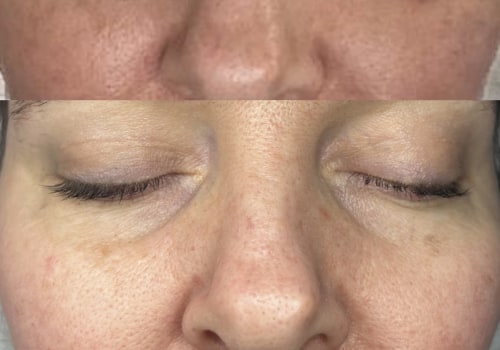
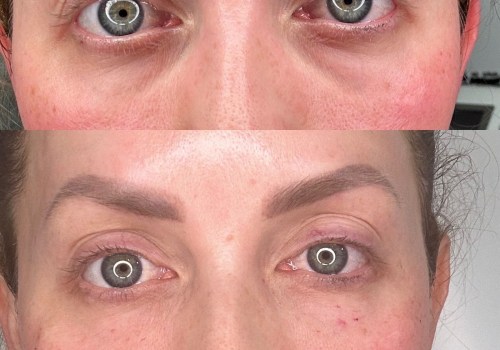
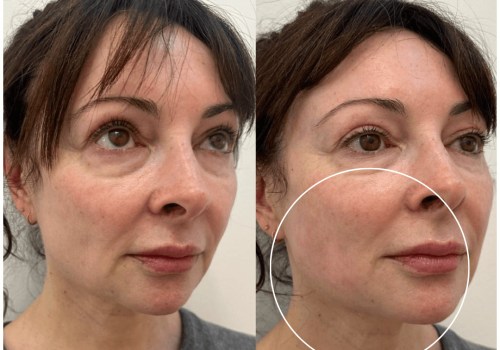
In the ever-evolving landscape of aesthetic medicine, polynucleotide treatmentspolynucleotide treatments have emerged as a groundbreaking option for individuals seeking effective solutions for skin rejuvenation and anti-aging. These innovative therapies harness the power of polynucleotides, which are naturally occurring molecules that play a crucial role in cellular repair and regeneration. By stimulating the body’s inherent healing processes, polynucleotide treatments offer a promising avenue for enhancing skin quality, reducing the visible signs of aging, and restoring a youthful appearance.The relevance of polynucleotide treatments in the realm of aesthetic procedures cannot be overstated. As we age, our skin undergoes various changes, including a decrease in collagen and elastin production, leading to wrinkles, sagging, and loss of elasticity.
Traditional methods of addressing these concerns often involve invasive surgeries or synthetic fillers, which may carry risks and complications. In contrast, polynucleotide therapies provide a more natural approach by utilising the body’s own biological mechanisms to promote healing and rejuvenation.Moreover, the versatility of polynucleotide treatments extends beyond mere cosmetic enhancement. They can be tailored to address specific skin concerns such as fine lines, uneven texture, and even scarring. This adaptability makes them an attractive option for a wide range of patients looking to improve their skin health without resorting to more drastic measures.
As we delve deeper into the benefits and potential risks associated with these treatments, it becomes clear that understanding their role in aesthetic medicine is essential for anyone considering options for skin rejuvenation.
What Are Polynucleotides?
Polynucleotides are essential macromolecules that play a pivotal role in the biological processes of all living organisms. They are long chains composed of nucleotide units, which are the building blocks of nucleic acids such as DNA and RNA. Understanding the structure and function of polynucleotides is crucial for appreciating their applications in various fields, including medical aesthetics.Definition of Polynucleotides
A polynucleotide is defined as a polymer made up of numerous nucleotide monomers linked together by phosphodiester bonds. Each nucleotide consists of three components: a nitrogenous base, a five-carbon sugar (ribose in RNA and deoxyribose in DNA), and a phosphate group.
The sequence of these nucleotides encodes genetic information, which is vital for the growth, development, and functioning of organisms.
Types of Polynucleotides
- DNA (Deoxyribonucleic Acid): This type of polynucleotide carries the genetic blueprint for an organism. It is typically double-stranded, forming a helical structure known as the double helix. The sequence of bases (adenine, thymine, cytosine, and guanine) along the DNA strand determines genetic traits.
- RNA (Ribonucleic Acid): Unlike DNA, RNA is usually single-stranded and plays several roles in protein synthesis and gene expression. There are different types of RNA, including messenger RNA (mRNA), transfer RNA (tRNA), and ribosomal RNA (rRNA), each serving distinct functions in the cellular machinery.
In medical aesthetics, polynucleotides are increasingly recognised for their regenerative properties. They stimulate collagen production and enhance skin elasticity, making them valuable in treatments aimed at rejuvenating aging skin.In summary, polynucleotides are fundamental to life, serving as carriers of genetic information and playing critical roles in cellular functions. Their unique properties make them not only vital for biological processes but also beneficial in innovative medical treatments.
The Mechanism of Action: How Polynucleotides Work in Skin Treatments
Polynucleotides play a crucial role in skin treatments, particularly in the realm of rejuvenation and anti-aging therapies. Their effectiveness stems from their ability to stimulate the body’s natural healing processes, primarily through the enhancement of collagen and elastin production.When polynucleotides are injected into the skin, they act as a signal to the body, prompting a series of biological responses.The primary mechanism of action involves:
- Cellular Regeneration: Polynucleotides are composed of nucleotide sequences that are fundamental to DNA and RNA. When introduced into the skin, they encourage cellular turnover and regeneration. This process helps to replace damaged cells with new, healthy ones, leading to improved skin texture and tone.
- Collagen Synthesis: One of the most significant benefits of polynucleotides is their ability to stimulate fibroblasts, the cells responsible for producing collagen. Collagen is essential for maintaining skin structure and elasticity.
As we age, collagen production decreases, resulting in sagging skin and wrinkles. By enhancing fibroblast activity, polynucleotides promote increased collagen synthesis, which can lead to firmer and more youthful-looking skin.
- Elastin Production: In addition to collagen, polynucleotides also stimulate the production of elastin, another vital protein that contributes to skin elasticity. Elastin allows the skin to stretch and bounce back, preventing sagging. The rejuvenation of elastin levels through polynucleotide treatment can significantly enhance the overall appearance of the skin.
- Hydration and Nutrient Delivery: Polynucleotides have hydrophilic properties, meaning they attract water molecules.
This characteristic not only helps to hydrate the skin but also facilitates the delivery of essential nutrients to skin cells. Improved hydration levels can enhance skin plumpness and reduce the appearance of fine lines.
Benefits of Polynucleotide Treatments
Polynucleotide treatments have emerged as a revolutionary option in the realm of skin rejuvenation, offering a multitude of benefits that cater to various skin concerns.These treatments harness the power of polynucleotides, which are essential components in the body’s natural healing processes, to promote healthier and more youthful-looking skin.One of the primary benefits of polynucleotide treatments is their ability to significantly enhance skin elasticity. As we age, our skin loses its natural firmness due to a decrease in collagen and elastin production. Polynucleotides stimulate fibroblast activity, which is crucial for collagen synthesis. This results in improved skin structure and resilience, helping to combat sagging and fine lines.In addition to boosting elasticity, polynucleotide treatments are renowned for their hydrating properties.
The injections help to attract and retain moisture within the skin, leading to a plumper and more radiant complexion. This hydration effect is particularly beneficial for individuals with dry or dehydrated skin, as it restores the skin's natural moisture balance.Moreover, polynucleotides possess anti-inflammatory properties that can aid in reducing redness and irritation. This makes them an excellent choice for those with sensitive skin or conditions such as rosacea. By calming inflammation, these treatments not only improve the overall appearance of the skin but also contribute to a more even skin tone.Another significant advantage is the promotion of tissue regeneration.
Polynucleotides encourage cellular turnover and repair, which can lead to a reduction in the appearance of scars and blemishes over time. This regenerative effect is particularly appealing for individuals looking to address acne scars or other imperfections.Furthermore, polynucleotide treatments are minimally invasive with little downtime required. Patients can typically resume their daily activities shortly after treatment, making it a convenient option for those with busy lifestyles.In summary, the advantages of polynucleotide treatments extend beyond mere cosmetic improvements. They offer a holistic approach to skin rejuvenation by enhancing elasticity, hydration, and overall skin health while promoting healing and regeneration.
As more individuals seek effective solutions for aging skin, polynucleotide treatments stand out as a promising option that delivers tangible results.
Potential Risks and Side Effects of Polynucleotide Treatments
While polynucleotide treatments have gained traction for their rejuvenating effects on the skin, it is essential to consider the potential risks and side effects associated with these procedures. Understanding these factors can help individuals make informed decisions about their aesthetic treatments.One of the most common side effects following polynucleotide injections is temporary redness at the injection site. This reaction is a natural response as the skin reacts to the introduction of polynucleotides, which are integral to the body’s healing processes. Patients may also experience mild swelling, which typically subsides within a few days.This localized inflammation is part of the body’s natural healing response, promoting increased blood flow and cellular activity in the treated area.Another frequent occurrence is bruising , particularly in sensitive areas where blood vessels are more prominent. Bruising results from minor injuries to these vessels during the injection process and usually resolves within a week. To mitigate this risk, patients are advised to avoid anticoagulants or blood-thinning medications prior to treatment.In some cases, patients may notice itching or tenderness in the treated area. These sensations are generally mild and indicate that the body is responding positively to the treatment.
However, if these symptoms persist or worsen, it is advisable to consult with a healthcare professional.More serious complications, although rare, can occur. For instance, granulomas , which are small lumps that form as an immune response to injected materials, may develop weeks or months after treatment. While they often resolve on their own, medical intervention may be necessary if they cause discomfort or do not diminish over time.A particularly concerning but infrequent complication is vascular occlusion. This occurs when an injection inadvertently blocks a blood vessel, restricting blood flow to surrounding tissues.
Symptoms include increased pain, discoloration, and coldness in the affected area. Immediate medical attention is crucial to restore circulation and prevent tissue damage.Lastly, there is a low risk of infection , which can arise if post-treatment care guidelines are not followed diligently. Signs of infection include swelling, heat, and increased pain at the injection site. To minimise this risk, it is vital that practitioners adhere to strict sterile techniques during the procedure and that patients follow all aftercare instructions carefully.In conclusion, while polynucleotide treatments offer promising benefits for skin rejuvenation, potential risks and side effects must be acknowledged.
By choosing a qualified professional and adhering to recommended aftercare practices, individuals can significantly reduce their chances of experiencing complications.
Who Should Consider Polynucleotide Treatments?
Polynucleotide treatments have emerged as a promising option for individuals seeking to rejuvenate their skin and combat the visible signs of aging. However, not everyone is an ideal candidate for these procedures. Understanding who can benefit from polynucleotides is essential for both practitioners and potential patients.Age Considerations
Generally, individuals aged 30 and above are prime candidates for polynucleotide treatments. This age group often begins to experience a decline in collagen and elastin production, leading to wrinkles, fine lines, and sagging skin.
By introducing polynucleotides into the skin, patients can stimulate their body’s natural healing processes, promoting collagen synthesis and enhancing skin elasticity.
Skin Type and Condition
Polynucleotide treatments are particularly beneficial for those with:
- Dry or Dehydrated Skin: Individuals with dry skin may find that polynucleotides help restore moisture levels and improve overall skin texture.
- Sun-Damaged Skin: Those who have experienced significant sun exposure may benefit from the regenerative properties of polynucleotides, which can aid in repairing damaged skin cells.
- Thin or Sensitive Skin: Patients with delicate skin types often respond well to polynucleotide treatments due to their gentle nature and ability to promote healing without the risk of severe side effects.
Health Considerations
Before undergoing treatment, it is crucial for candidates to discuss their medical history with a qualified professional. Individuals with certain health conditions or those who are pregnant or breastfeeding should approach polynucleotide treatments with caution. Additionally, those with a history of allergic reactions to similar substances should consult their healthcare provider to assess suitability.
Who Should Avoid Polynucleotide Treatments?
While many can benefit from these treatments, some individuals may not be suitable candidates. Those with active infections, severe skin conditions such as eczema or psoriasis, or those on anticoagulant medications should avoid polynucleotide injections until they have consulted with a medical professional.In conclusion, polynucleotide treatments can be an effective solution for many individuals looking to enhance their skin's appearance.
By understanding the characteristics of suitable candidates, practitioners can better tailor their services to meet the needs of their clients.
Choosing a Qualified Practitioner for Polynucleotide Treatments
When considering polynucleotide treatments, selecting a qualified practitioner is paramount to ensuring both safety and effectiveness. The expertise of the professional administering the treatment can significantly influence the outcome, making it essential to conduct thorough research before proceeding.1.Verify Credentials and Experience
- Check the practitioner’s qualifications, including their medical degree and any specialised training in aesthetic procedures.
- Look for certifications specifically related to polynucleotide treatments or similar aesthetic procedures, as these indicate a commitment to ongoing education in this evolving field.
- Experience is crucial; inquire about how many polynucleotide treatments they have performed and their success rates.
2.Assess the Clinic Environment
- The clinic should maintain high standards of hygiene and safety. Ensure that it is clean, well-organised, and equipped with modern medical facilities.
- Ask about the protocols in place for infection control, as this is vital for minimising risks associated with injections.
- A reputable clinic will also have emergency procedures in place should any complications arise during or after treatment.
3.Consultation Process
- A qualified practitioner will offer a comprehensive consultation before any treatment. This should include a discussion of your medical history, skin type, and specific aesthetic goals.
- During the consultation, pay attention to how well the practitioner listens to your concerns and answers your questions.
A good practitioner will take the time to explain the procedure, potential risks, and expected outcomes.
4.Patient Reviews and Testimonials
- Research online reviews and testimonials from previous patients. Positive feedback can provide insight into the practitioner's skill level and patient satisfaction.
- If possible, ask for before-and-after photos of past patients to gauge the quality of their work.
5.Trust Your Instincts
Your comfort level with a practitioner is crucial. If you feel rushed or pressured during your consultation, it may be a sign to seek another provider. A trustworthy professional will prioritise your safety and satisfaction above all else.In conclusion, taking the time to choose a qualified practitioner for polynucleotide treatments can lead to safer procedures and more satisfying results.
By verifying credentials, assessing the clinic environment, engaging in thorough consultations, reviewing patient feedback, and trusting your instincts, you can make an informed decision that aligns with your aesthetic goals.
Post-Treatment Care: Ensuring Optimal Results
After undergoing polynucleotide treatment, proper post-treatment care is crucial for achieving the best possible results while minimising any potential risks. The skin's response to the treatment can vary from person to person, and following specific aftercare guidelines can significantly enhance the healing process and overall effectiveness of the treatment.Immediate Aftercare
- Avoid Touching the Treated Area: It is essential to refrain from touching, rubbing, or applying pressure to the injection sites for at least 24 hours post-treatment. This helps prevent irritation and reduces the risk of infection.
- Cold Compress: Applying a cold compress gently to the treated areas can help alleviate swelling and redness. Ensure that the compress is clean and avoid direct contact with ice to prevent skin damage.
- Stay Upright: For the first few hours after treatment, try to remain upright.
This position can help reduce swelling and promote better circulation in the treated areas.
Hydration and Skin Care
- Hydrate: Drinking plenty of water post-treatment is vital. Staying hydrated supports skin health and aids in the recovery process.
- Gentle Cleansing: Use a mild cleanser to wash your face for the first few days. Avoid harsh scrubs or exfoliants that could irritate the skin.
- Moisturise: Keeping the skin moisturised is essential. Opt for a gentle, fragrance-free moisturiser to maintain hydration without causing irritation.
Avoiding Certain Activities
- Avoid Strenuous Exercise: Refrain from engaging in intense physical activities for at least 48 hours post-treatment.
Excessive sweating can exacerbate swelling and irritation.
- Limit Sun Exposure: Protect your skin from direct sunlight for at least a week after treatment. If you must go outside, apply a broad-spectrum sunscreen with an SPF of 30 or higher to shield your skin from UV rays.
- No Makeup: It is advisable to avoid makeup for at least 24 hours following treatment. This allows the skin to breathe and reduces the risk of clogging pores or causing irritation.
Monitoring Your Skin
Keep an eye on your skin's response in the days following your treatment. Mild redness, swelling, or bruising is common and should subside within a few days.
However, if you notice any unusual symptoms such as increased pain, persistent swelling, or signs of infection (such as pus or fever), it is crucial to contact your healthcare provider promptly.By adhering to these post-treatment care guidelines, you can optimise your results from polynucleotide treatments while ensuring a smooth recovery process. Remember that every individual's skin reacts differently, so listening to your body and consulting with your practitioner if you have any concerns is always wise.
Long-Term Considerations: Is Polynucleotide Treatment Right for You?
When considering polynucleotide treatments for skin rejuvenation, it is essential to evaluate not only the immediate benefits but also the long-term implications of these procedures. As with any aesthetic treatment, understanding how polynucleotides can fit into your ongoing skincare regimen is crucial for achieving sustained results.Long-Term Effects of Polynucleotide Treatment
Polynucleotide treatments are designed to stimulate collagen and elastin production, which are vital for maintaining skin elasticity and firmness. Over time, regular treatments can lead to cumulative benefits, enhancing skin texture and reducing the appearance of fine lines and wrinkles.
However, it is important to note that the longevity of these effects can vary based on individual skin types, age, and lifestyle factors.Research indicates that while many patients experience significant improvements in skin quality after a series of treatments, the effects may not be permanent. As natural aging processes continue, maintenance treatments may be necessary to sustain the desired results. This could involve periodic sessions every few months to ensure that collagen levels remain optimal.
Ongoing Treatment Considerations
Before committing to a long-term regimen of polynucleotide treatments, consider the following:
- Skin Type: Different skin types may respond differently to polynucleotide injections. Consulting with a qualified professional can help determine if this treatment is suitable for your specific needs.
- Budget: Regular treatments can become a financial commitment.
Assessing your budget for ongoing skincare is essential before starting.
- Combination Therapies: Many patients find that combining polynucleotide treatments with other aesthetic procedures—such as chemical peels or laser therapy—can enhance overall results. Discussing a comprehensive treatment plan with your practitioner can provide a more tailored approach.
The Future of Polynucleotides in Aesthetics
The field of aesthetic medicine is continually evolving, and polynucleotides are at the forefront of this innovation. As research progresses, we may see advancements in formulation and application techniques that could enhance their effectiveness and safety. Additionally, as more practitioners become familiar with these treatments, we can expect improved protocols that maximise patient outcomes.In conclusion, while polynucleotide treatments offer promising benefits for skin rejuvenation, it is vital to consider their long-term implications carefully.
By evaluating your individual needs and consulting with experienced professionals, you can make informed decisions that align with your aesthetic goals over time.
<strong>Conclusion</strong>
In summary, the use of polynucleotides in aesthetic treatments presents a compelling option for individuals seeking to rejuvenate their skin and combat the visible signs of aging. As we have explored, these treatments harness the natural properties of nucleotides to stimulate collagen and elastin production, which are vital for maintaining skin elasticity and firmness. The benefits of polynucleotide treatments are numerous, including improved skin texture, enhanced hydration, and a more youthful appearance.However, it is essential to approach these treatments with a clear understanding of both their potential advantages and associated risks. While many patients experience positive outcomes with minimal side effects, it is crucial to acknowledge that every medical procedure carries inherent risks.Common side effects such as temporary redness, swelling, and bruising are generally mild and resolve quickly. Nevertheless, more serious complications, although rare, can occur if the procedure is not performed by a qualified professional or if post-treatment care is neglected.To ensure a safe and effective experience with polynucleotide treatments, individuals should:
- Choose a qualified practitioner: It is vital to select a licensed and experienced professional who specializes in aesthetic treatments. This helps minimize the risk of complications and ensures that the procedure is performed safely.
- Discuss medical history: Patients should openly communicate their medical history and any concerns with their practitioner to tailor the treatment plan to their specific needs.
- Follow post-treatment care instructions: Adhering to aftercare guidelines provided by the practitioner can significantly reduce the likelihood of adverse effects and enhance recovery.
For those considering this treatment option, staying informed and consulting with professionals will be key to achieving desired results while minimizing risks.