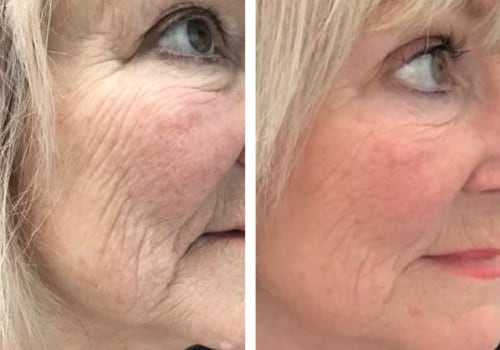
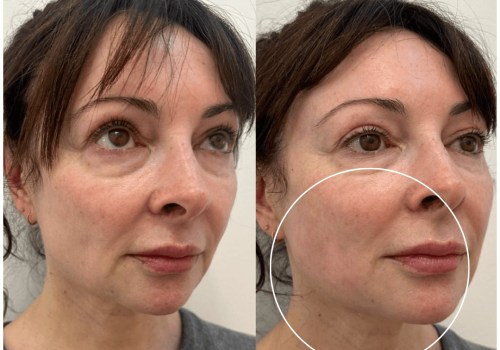
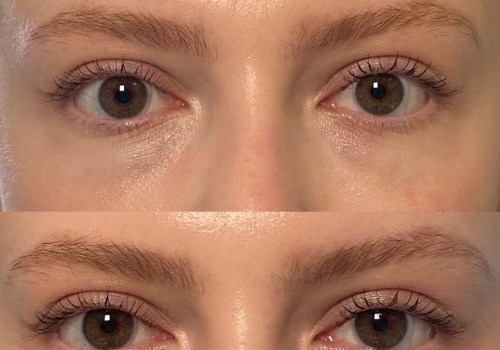
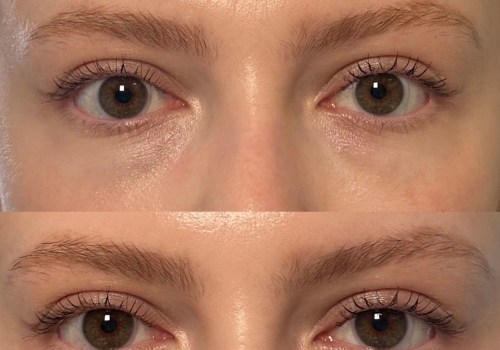
Polynucleotides are essential biological molecules composed of long chains of nucleotides, which are the building blocks of DNA and RNA. These naturally occurring compounds play a pivotal role in various cellular processes, including cell growth, repair, and regeneration. In the realm of skincare, polynucleotides have emerged as a groundbreaking innovation, harnessing their regenerative properties to enhance skin health and appearance. Their unique structure allows them to interact with skin cells at a molecular level, promoting vital processes that contribute to a youthful and vibrant complexion.In skincare, polynucleotides are primarily used in injectable treatments aimed at rejuvenating the skin.
They work by stimulating collagen and elastin production, two critical proteins that maintain skin elasticity and firmness. As we age, the natural production of these proteins diminishes, leading to visible signs of aging such as wrinkles, fine lines, and sagging skin. By introducing polynucleotides into the skin, we can effectively counteract these effects, encouraging the body’s own healing mechanisms to restore a more youthful appearance.Moreover, polynucleotides possess remarkable hydrating properties that help improve overall skin texture and luminosity. They enhance moisture retention within the skin, resulting in a plumper and more radiant complexion.
This is particularly beneficial for individuals with dry or dehydrated skin, as polynucleotides can significantly boost hydration levels without the risk of water retention associated with some other treatments.As we delve deeper into the benefits of polynucleotides for facial rejuvenation, it becomes clear that their multifaceted approach not only addresses the visible signs of aging but also promotes long-term skin health. Understanding how these powerful molecules function will provide valuable insights into their role in modern skincare regimens.
The Science Behind Polynucleotides
Polynucleotides are essential biomolecules that play a pivotal role in the functioning of living cells, particularly in the context of skin health and rejuvenation. These long chains of nucleotides, which are the building blocks of DNA and RNA, are integral to various cellular processes, including cellular regeneration , repair, and communication.At the core of their function, polynucleotides facilitate the synthesis of proteins that are crucial for maintaining skin structure and integrity. When injected into the skin, they stimulate fibroblasts—cells responsible for producing collagen and elastin.This stimulation leads to an increase in collagen production, which is vital for skin elasticity and firmness. As we age, collagen levels naturally decline, resulting in sagging skin and the formation of wrinkles. By enhancing collagen synthesis, polynucleotides help to counteract these signs of aging.Moreover, polynucleotides possess remarkable antioxidant properties. They combat oxidative stress caused by free radicals—unstable molecules that can damage cells and accelerate aging.
By neutralising these free radicals, polynucleotides protect skin cells from damage, promoting a healthier and more youthful appearance.Another significant aspect of polynucleotides is their ability to enhance cellular communication. They act as signalling molecules that instruct cells to initiate repair processes when damage occurs. This is particularly beneficial for healing sun-damaged skin or scars from acne. The regenerative properties of polynucleotides not only improve the overall texture of the skin but also contribute to a more even skin tone.In summary, the mechanism by which polynucleotides operate is multifaceted.
They not only promote collagen production and provide antioxidant protection but also enhance cellular communication and regeneration. This unique combination makes them a powerful tool in aesthetic medicine for achieving youthful, revitalised skin.
Key Benefits of Polynucleotides for Facial Skin
Polynucleotides have emerged as a revolutionary treatment in the realm of aesthetic medicine, particularly for facial rejuvenation. Their unique properties offer a multitude of benefits that cater to various skin concerns, making them an attractive option for those seeking to enhance their appearance.1.Reduction of Wrinkles and Fine Lines
One of the most significant advantages of polynucleotides is their ability to effectively reduce the appearance of wrinkles and fine lines. By stimulating collagen and elastin production, these injections help restore skin firmness and elasticity, leading to a smoother and more youthful complexion.
The regenerative properties of polynucleotides encourage the skin to repair itself, resulting in diminished signs of aging.
2.Improved Skin Texture
Polynucleotides play a crucial role in enhancing overall skin texture. They promote cell renewal and regeneration, which helps to smooth out rough patches and improve the skin's surface. This leads to a more even tone and a refined appearance, making the skin look healthier and more vibrant.
3.Enhanced Hydration
Another remarkable benefit of polynucleotides is their ability to boost skin hydration levels. By improving moisture retention within the skin, they contribute to a plump and radiant look.
This increased hydration not only enhances the skin's luminosity but also helps combat dryness, making it an excellent choice for individuals with dehydrated or dull skin.
4.Healing Properties
The healing capabilities of polynucleotides extend beyond mere aesthetics. They are known to aid in the recovery from sun damage and other forms of skin trauma, promoting a healthier complexion over time. This makes them particularly beneficial for individuals dealing with acne scars or post-inflammatory hyperpigmentation.
5.Antioxidant Effects
Polynucleotides possess potent antioxidant properties that help neutralise free radicals, which are responsible for premature aging and skin damage. By reducing oxidative stress on the skin, they contribute to a more youthful appearance while also protecting against environmental aggressors.
6.Versatility in Treatment Areas
These injections can be administered in various areas of the face, including delicate regions such as under the eyes, where traditional fillers may not be suitable.
Their versatility allows for targeted treatment that addresses specific concerns without the risk of complications associated with other injectables.In summary, the benefits of polynucleotides for facial skin are extensive, ranging from anti-aging effects to improved hydration and texture. As a non-invasive treatment option, they offer a holistic approach to skincare that promotes natural rejuvenation and long-lasting results.
Polynucleotide Injections: What to Expect
Polynucleotide injections have emerged as a revolutionary treatment in the realm of aesthetic medicine, offering a range of benefits for skin rejuvenation. Understanding the injection process and what to expect can help patients feel more comfortable and informed about their decision to undergo this treatment.The process begins with a thorough consultation, where a qualified practitioner assesses the patient's skin condition and discusses their aesthetic goals. This initial step is crucial, as it allows the practitioner to tailor the treatment plan to meet individual needs.Once the consultation is complete, the actual injection process can commence.The practitioner will typically cleanse the area to be treated and may apply a topical anaesthetic to minimise discomfort during the procedure. This is particularly important for sensitive areas such as under the eyes or around the mouth.Polynucleotide injections can be administered using two primary techniques:
- Micro-needling: This technique involves using a device with fine needles to create micro-injuries in the skin, allowing for deeper penetration of polynucleotides. It stimulates collagen production while delivering the treatment effectively.
- Cannula technique: A blunt-ended cannula is used to inject polynucleotides more evenly across larger areas. This method reduces trauma to the skin and minimises swelling and bruising, making it a preferred choice for many practitioners.
The number of injections required will depend on the specific treatment area and desired results.After the procedure, patients can expect some mild swelling or redness at the injection sites, which typically subsides within a few hours to a few days. It is advisable to avoid strenuous activities and direct sun exposure for at least 24 hours post-treatment to ensure optimal healing.The full effects of polynucleotide injections may not be immediately visible; instead, improvements in skin texture and hydration will gradually become apparent over several weeks as collagen production increases. Most patients report noticeable results within three months, making patience an essential part of the recovery process.In summary, understanding what to expect from polynucleotide injections can significantly enhance the overall experience. With proper technique and aftercare, patients can enjoy rejuvenated skin that reflects their youthful vitality.
Comparing Polynucleotides with Other Treatments
When considering facial rejuvenation treatments, it is essential to understand the differences between polynucleotides and other popular options such as hyaluronic acid fillers and Botox.Each treatment offers unique benefits and mechanisms of action, making them suitable for different skin concerns.
Polynucleotides vs Hyaluronic Acid Fillers
- Mechanism of Action: Polynucleotides work by stimulating the body’s natural regenerative processes, promoting collagen production and enhancing skin elasticity. In contrast, hyaluronic acid fillers provide immediate volume and hydration by attracting water to the injected area.
- Longevity of Results: The effects of polynucleotides typically develop gradually over several weeks, with optimal results visible after three months. Hyaluronic acid fillers, however, offer instant results that can last from six months to a year, depending on the product used.
- Skin Concerns Addressed: While both treatments can improve skin texture and hydration, polynucleotides are particularly effective for skin regeneration and healing damaged tissue. Hyaluronic acid fillers are primarily used for volumising specific areas, such as cheeks or lips.
- Side Effects: Polynucleotide injections generally have fewer side effects compared to hyaluronic acid fillers, which can sometimes cause swelling or lumps due to their volumising nature.
Polynucleotides are less likely to cause adverse reactions as they mimic natural cellular components.
Polynucleotides vs Botox
- Purpose: Botox is primarily used for reducing dynamic wrinkles caused by muscle movement, such as frown lines and crow's feet. In contrast, polynucleotides focus on improving skin quality and elasticity rather than muscle relaxation.
- Duration of Effects: The effects of Botox typically last three to six months before re-treatment is necessary. Polynucleotide treatments provide longer-lasting improvements in skin texture and hydration but require a more extended period to see full results.
- Treatment Areas: Botox is effective for specific areas where muscle movement causes wrinkles, while polynucleotides can be applied more broadly across the face and even on the neck and décolleté for overall rejuvenation.
Safety and Side Effects of Polynucleotide Treatments
When considering polynucleotide treatments, understanding the safety profile and potential side effects is crucial for patients.As with any cosmetic procedure, it is essential to weigh the benefits against the risks involved.
Safety Profile of Polynucleotide Treatments
Polynucleotide injections are generally regarded as safe when administered by qualified professionals. These treatments utilise highly purified fragments of DNA derived from salmon or trout sperm, which closely resemble human DNA. This similarity reduces the likelihood of adverse reactions, making polynucleotides a suitable option for many individuals, including those with fish allergies.Moreover, polynucleotides are known for their biocompatibility, meaning they integrate well with human tissue. This characteristic significantly lowers the risk of complications compared to other injectables, such as hyaluronic acid fillers, which can sometimes lead to water retention and swelling.
Potential Side Effects
While polynucleotide treatments are generally safe, some patients may experience mild side effects.
Common reactions include:
- Swelling: Temporary swelling at the injection site is common and usually subsides within a few days.
- Bruising: Some patients may notice bruising due to the injection process, which typically resolves quickly.
- Redness: Mild redness around the injection area can occur but generally fades within hours.
- Itching or tenderness: Some individuals may experience slight discomfort or itching post-treatment.
Considerations Before Undergoing Treatment
Before opting for polynucleotide injections, patients should consider several factors:
- Consultation: A thorough consultation with a qualified practitioner is vital. This allows for an assessment of individual skin conditions and treatment goals.
- Medical History: Disclose any medical conditions or medications that may affect treatment outcomes or increase risks.
- Avoiding Blood Thinners: Patients are often advised to avoid blood-thinning medications before treatment to minimise bruising risk.
Who Can Benefit from Polynucleotide Treatments?
Polynucleotide treatments have emerged as a revolutionary option in the realm of aesthetic medicine, appealing to a diverse range of individuals seeking to enhance their skin's appearance and health.Understanding who can benefit from these treatments is crucial for both practitioners and potential patients.
Ideal Candidates for Polynucleotide Treatments
- Individuals Experiencing Signs of Ageing: Those who are beginning to notice fine lines, wrinkles, or sagging skin are prime candidates for polynucleotide injections. These treatments stimulate collagen production, which can significantly improve skin texture and elasticity.
- People with Sun-Damaged Skin: If you have skin that has been adversely affected by sun exposure, polynucleotides can aid in repairing and rejuvenating the skin. Their regenerative properties help heal sun damage and improve overall skin tone.
- Patients with Acne Scarring: For those struggling with the aftermath of acne, polynucleotide injections can promote healing and reduce the visibility of scars, leading to a smoother complexion.
- Individuals Seeking Preventative Care: Younger individuals in their late 20s to early 30s may consider polynucleotide treatments as a proactive measure to maintain skin health and prevent early signs of ageing.
Age Considerations
While polynucleotide treatments are suitable for various age groups, the specific benefits may vary:
- In Your 20s: At this age, polynucleotides can be used as a preventative measure. They help maintain skin hydration and elasticity, setting a foundation for long-term skin health.
- In Your 30s and 40s: This is when many individuals start to notice more pronounced signs of ageing.
Polynucleotide injections can effectively address these concerns by enhancing collagen production and improving skin texture.
- In Your 50s and Beyond: Older adults often experience significant skin laxity and dryness. Polynucleotides can provide substantial rejuvenation benefits, restoring volume and hydration while promoting overall skin health.
Post-Treatment Care and Maintenance
After undergoing polynucleotide injections, proper post-treatment care is essential to maximise the benefits and ensure optimal results. The skin may be sensitive immediately following the procedure, so adhering to specific aftercare guidelines can significantly enhance the rejuvenating effects of the treatment.Immediate Aftercare
In the first 24 to 48 hours post-injection, it is crucial to follow these recommendations:- Avoid Touching the Treated Area: Refrain from touching or applying pressure to the injection sites to prevent irritation or infection.
- Cold Compress: Applying a cold compress can help reduce swelling and discomfort.
Ensure that the compress is clean and not applied directly to the skin.
- Stay Hydrated: Drink plenty of water to support skin hydration and overall recovery.
- Avoid Makeup: It is advisable to avoid applying makeup for at least 24 hours to allow the skin to breathe and heal.
- Limit Physical Activity: Refrain from strenuous exercise or activities that may cause excessive sweating for a few days, as this can irritate the treated area.
Long-Term Maintenance
To maintain the results of your polynucleotide injections, consider incorporating the following practices into your skincare routine:- Gentle Cleansing: Use a mild cleanser that does not strip the skin of its natural oils. Avoid harsh scrubs or exfoliants for at least a week post-treatment.
- Moisturisation: Keep your skin well-hydrated with a quality moisturiser. Look for products containing hyaluronic acid or glycerin, which can help retain moisture.
- Sunscreen Protection: Protect your skin from UV damage by applying a broad-spectrum sunscreen with at least SPF 30 daily. This is vital in preventing photoaging and maintaining skin health.
- Avoid Excessive Heat: Steer clear of saunas, hot baths, or intense sun exposure for several days after treatment, as heat can exacerbate swelling and irritation.
- Regular Follow-ups: Schedule follow-up appointments with your practitioner to assess your skin's condition and discuss any additional treatments if necessary.
Remember that every individual's skin responds differently, so it’s essential to listen to your body and consult with your practitioner if you have any concerns during your recovery process.
Frequently Asked Questions about Polynucleotides
As the popularity of polynucleotides in facial treatments continues to rise, many individuals have questions and concerns regarding their use. Below, we address some of the most frequently asked questions to provide clarity and dispel common myths surrounding this innovative treatment.What are polynucleotides?
Polynucleotides are naturally occurring molecules that play a vital role in cellular functions, particularly in the processes of repair and regeneration. Derived from the DNA of salmon or trout sperm, these highly purified fragments are used in injectable form to enhance skin health and appearance.How do polynucleotide injections work?
When injected into the skin, polynucleotides stimulate the body’s natural healing processes. They promote collagen and elastin production, which are essential for maintaining skin elasticity and firmness.This regenerative action helps to improve skin texture, reduce fine lines, and enhance overall hydration.
Are there any side effects associated with polynucleotide treatments?
While polynucleotide injections are generally considered safe, some individuals may experience mild side effects such as swelling, redness, or bruising at the injection site. These effects are typically temporary and resolve within a few days. It is essential to consult with a qualified practitioner to discuss any potential risks.Can anyone receive polynucleotide treatments?
Most individuals can benefit from polynucleotide injections; however, those with specific medical conditions or allergies should consult their healthcare provider before undergoing treatment. Notably, even individuals with fish allergies can often safely receive these injections due to the highly purified nature of the product.How long does it take to see results?
The results from polynucleotide treatments may not be immediately visible.While some improvements can be noticed within a few weeks, optimal results typically manifest after three months as the skin continues to regenerate and heal.
Are there any myths about polynucleotides?
- Myth: Polynucleotides are the same as dermal fillers.
- Fact: Unlike dermal fillers that provide immediate volume by adding substances like hyaluronic acid, polynucleotides work by stimulating the body’s natural processes for long-term rejuvenation.
- Myth: Polynucleotide treatments are only for older individuals.
- Fact: People of various ages can benefit from polynucleotide injections, especially those looking to prevent signs of aging or improve skin texture.
Conclusion: The Future of Facial Rejuvenation with Polynucleotides
As we draw our exploration of polynucleotides to a close, it is evident that these remarkable molecules are poised to redefine the landscape of facial rejuvenation. The multifaceted benefits they offer, from enhancing skin hydration to promoting cellular regeneration, position them as a cornerstone in modern skincare treatments.The ability of polynucleotides to stimulate collagen and elastin production not only addresses visible signs of aging but also fosters a healthier skin environment. This regenerative approach is particularly appealing in an era where consumers are increasingly seeking natural and effective solutions for skin rejuvenation.Unlike traditional fillers that merely provide volume, polynucleotides work at a cellular level, encouraging the skin to heal and renew itself.Moreover, the versatility of polynucleotides extends beyond facial aesthetics. Their application in treating various skin concerns, including hyperpigmentation, acne scars, and even hair restoration, underscores their potential as a holistic treatment option. As research continues to unveil the full spectrum of their capabilities, it is likely that polynucleotides will become an integral part of comprehensive skincare regimens.Looking ahead, the future of facial rejuvenation with polynucleotides appears bright. With ongoing advancements in technology and a growing body of clinical evidence supporting their efficacy, these treatments are set to gain further traction in both medical and aesthetic dermatology.
As practitioners become more adept at utilising polynucleotides in conjunction with other modalities—such as laser therapy and microneedling—the results will likely be even more pronounced.In conclusion, embracing polynucleotides as a key player in skincare not only aligns with the current trend towards regenerative medicine but also offers a promising pathway for achieving youthful, vibrant skin. As we continue to explore innovative treatments that prioritise skin health and vitality, polynucleotides stand out as a revolutionary option that could transform our approach to facial rejuvenation.