Polynucleotides are intricate biomolecules composed of long chains of nucleotides, which are the building blocks of DNA and RNA. These essential components play a crucial role in various biological processes, including cell growth, repair, and regeneration. In recent years, the application of polynucleotides in skincare has garnered significant attention due to their remarkable regenerative properties. By harnessing the power of these molecules, skincare treatments can effectively promote healing and rejuvenation at a cellular level.In the realm of skincare, polynucleotides are celebrated for their ability to stimulate collagen and elastin production, two vital proteins that contribute to skin elasticity and firmness.
As we age, the natural production of these proteins diminishes, leading to visible signs of aging such as wrinkles and sagging skin. By introducing polynucleotides into the skin through targeted treatments, we can encourage the body’s own healing mechanisms to restore a youthful appearance.Moreover, polynucleotides possess anti-inflammatory properties that can help soothe irritated skin and accelerate the healing process for various skin conditions. This makes them particularly beneficial for individuals dealing with issues such as acne scars, sun damage, or post-surgical recovery. The versatility of polynucleotides in addressing multiple skin concerns highlights their significance in modern skincare regimens.As we delve deeper into the revolutionary benefits of polynucleotide treatment, it becomes evident that these molecules are not just a passing trend but a groundbreaking advancement in regenerative medicine.
Understanding their composition and function is essential for appreciating their transformative effects on skin health and appearance.
The Science Behind Polynucleotide Treatment
Polynucleotide treatment is grounded in the intricate science of cellular biology, particularly focusing on the role of polynucleotides in promoting healing and regeneration. At its core, polynucleotides are long chains of nucleotides, which are the building blocks of DNA and RNA. These molecules play a pivotal role in various biological processes, including cell repair, growth, and regeneration.When administered through injections, polynucleotides stimulate the body’s natural healing mechanisms. This is achieved by enhancing the activity of fibroblasts, the cells responsible for producing collagen and elastin—two essential proteins that maintain skin structure and elasticity.The introduction of polynucleotides into the skin triggers a cascade of biological responses that lead to improved skin texture, hydration, and overall appearance.One of the key mechanisms by which polynucleotide treatment operates is through the activation of growth factors. These factors are proteins that regulate cellular processes such as proliferation, differentiation, and survival. By promoting the release of these growth factors, polynucleotides facilitate a more efficient healing process, allowing damaged tissues to regenerate more rapidly.Moreover, polynucleotides possess anti-inflammatory properties that can significantly reduce swelling and redness in treated areas. This is particularly beneficial for individuals suffering from conditions like acne scars or sun damage, where inflammation can hinder recovery.
By mitigating inflammation, polynucleotide treatments not only enhance aesthetic outcomes but also contribute to a healthier skin environment.In addition to their regenerative capabilities, polynucleotides also improve skin hydration levels. They attract water molecules to the skin cells, ensuring that the skin remains plump and moisturised. This hydrating effect is crucial for maintaining a youthful appearance and combating signs of ageing.In summary, the science behind polynucleotide treatment lies in its ability to harness the body’s natural regenerative processes. By stimulating cell renewal and enhancing collagen production while reducing inflammation, polynucleotides offer a comprehensive approach to skincare that addresses both immediate concerns and long-term skin health.
Key Benefits of Polynucleotide Treatment for Skin Health
Polynucleotide treatment has emerged as a groundbreaking approach in the realm of skincare, offering a multitude of benefits that significantly enhance skin health.One of the most notable advantages is the improvement in skin elasticity. As we age, our skin naturally loses its firmness and suppleness due to a decrease in collagen production. Polynucleotides work at the cellular level to stimulate fibroblasts, which are essential for collagen synthesis. This results in a more resilient and youthful appearance, as the skin regains its ability to bounce back from environmental stressors.Another key benefit of polynucleotide treatment is its ability to boost skin hydration.
The treatment promotes the retention of moisture within the skin, leading to a plumper and more radiant complexion. This is particularly beneficial for individuals with dry or dehydrated skin, as it helps to restore the skin's natural barrier function. Enhanced hydration not only improves the overall texture of the skin but also reduces the visibility of fine lines and wrinkles, making it an effective anti-aging solution.Furthermore, polynucleotide treatments are known for their remarkable capacity to reduce fine lines and other signs of aging. By encouraging cell regeneration and promoting the production of elastin alongside collagen, these treatments help to smooth out wrinkles and create a more even skin tone.
The result is a visibly rejuvenated appearance that can significantly enhance one’s self-confidence.In addition to these aesthetic benefits, polynucleotides also play a crucial role in healing damaged skin. Whether due to sun exposure, acne scars, or other environmental factors, polynucleotide therapy aids in repairing and revitalising compromised skin. This healing process not only improves the appearance of scars but also contributes to an overall healthier complexion.In summary, the benefits of polynucleotide treatment extend far beyond mere cosmetic enhancements. With its ability to improve skin elasticity, increase hydration levels, reduce fine lines, and promote healing, this innovative therapy represents a significant advancement in skincare solutions for those seeking to maintain a youthful and vibrant appearance.
Polynucleotides vs Other Skin Treatments
When considering skin rejuvenation options, it is essential to understand the differences between polynucleotide treatments and other popular therapies, such as hyaluronic acid injections.Both treatments aim to enhance skin appearance, but they operate through distinct mechanisms and offer unique benefits.
Polynucleotides
are complex chains of nucleotides that play a crucial role in cellular regeneration. They stimulate the body’s natural healing processes, promoting collagen and elastin production at the cellular level. This results in improved skin elasticity, hydration, and overall texture. In contrast,
hyaluronic acid
is a naturally occurring substance in the body that primarily functions as a moisture-retaining agent.
While it effectively hydrates the skin and can temporarily plump fine lines and wrinkles, it does not actively stimulate collagen production.Here are some key comparisons between polynucleotides and hyaluronic acid:
- Mechanism of Action: Polynucleotides work by enhancing cellular regeneration and stimulating the body’s own healing processes, while hyaluronic acid provides immediate hydration and volume but lacks regenerative properties.
- Longevity of Results: The effects of polynucleotide treatments can last longer due to their ability to promote ongoing collagen synthesis, whereas hyaluronic acid results may diminish more quickly as the substance is gradually absorbed by the body.
- Treatment Areas: Polynucleotides can be particularly effective for treating deeper skin concerns such as acne scars and sun damage, while hyaluronic acid is often used for superficial hydration and volume enhancement.
- Side Effects: Both treatments are generally safe; however, polynucleotide injections may lead to less swelling and bruising compared to hyaluronic acid due to their unique formulation.
- Comprehensive Skin Health: By promoting cellular regeneration, polynucleotides not only improve appearance but also enhance overall skin health.
- Natural Results: The stimulation of natural collagen production leads to results that appear more organic and less artificial than those achieved with fillers like hyaluronic acid.
- Versatility: Polynucleotide treatments can address a variety of skin issues beyond hydration, including fine lines, wrinkles, uneven texture, and pigmentation problems.
Targeting Specific Skin Concerns with Polynucleotide Treatment
Polynucleotide treatments have emerged as a groundbreaking solution for addressing a variety of specific skin concerns, including dark circles, acne scars, and sun damage. By harnessing the regenerative properties of polynucleotides, these treatments offer targeted interventions that can significantly improve the appearance and health of the skin.Addressing Dark Circles
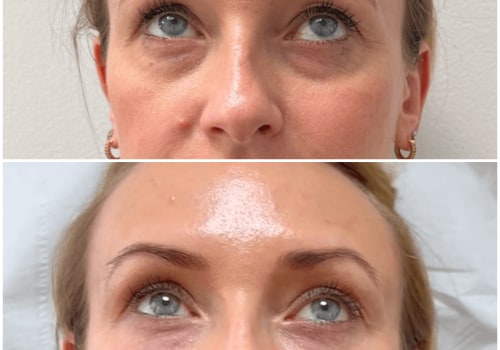
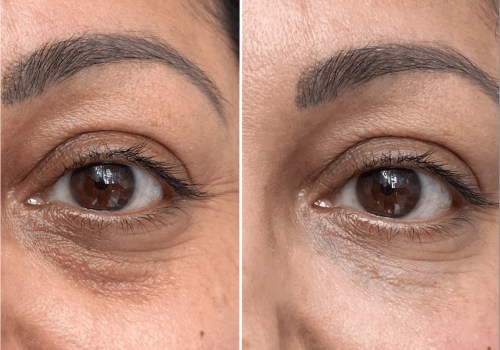
Dark circles under the eyes are a common concern that can make individuals appear tired and aged. Polynucleotide injections work effectively in this area by enhancing skin elasticity and hydration.The treatment stimulates fibroblast activity, which promotes collagen and elastin production, leading to a firmer and more youthful appearance. As the skin around the eyes becomes more resilient, the visibility of dark circles diminishes, resulting in a brighter and more refreshed look.
Treating Acne Scars
Acne scars can be a persistent reminder of past breakouts, often affecting self-esteem and confidence. Polynucleotides offer a promising approach to scar treatment by promoting cellular regeneration and healing. When injected into scarred areas, they stimulate the body’s natural healing processes, encouraging the production of new skin cells.This not only helps to smooth out uneven textures but also reduces the depth and visibility of scars over time. Patients often report significant improvements in their skin's overall appearance after undergoing polynucleotide therapy for acne scars.
Combatting Sun Damage
Sun exposure can lead to various skin issues, including pigmentation irregularities, fine lines, and loss of elasticity. Polynucleotide treatments can effectively combat these effects by rejuvenating sun-damaged skin at a cellular level. The injections promote increased hydration and stimulate collagen synthesis, which helps restore the skin's natural barrier function.As a result, patients may experience improved skin tone and texture, along with a reduction in sun-induced signs of aging.In summary, polynucleotide treatments provide targeted solutions for specific skin concerns such as dark circles, acne scars, and sun damage. By focusing on the underlying cellular mechanisms that contribute to these issues, polynucleotides offer a comprehensive approach to achieving healthier and more radiant skin.
The Treatment Process: What to Expect
Undergoing polynucleotide treatment can be an exciting yet nerve-wracking experience for many individuals. Understanding the treatment process can help alleviate anxiety and set realistic expectations. Here’s a detailed overview of what to expect during your appointment and the recovery period that follows.Initial Consultation
Your journey begins with a thorough consultation with a qualified practitioner.
During this session, you will discuss your skin concerns, medical history, and treatment goals. The practitioner will assess your skin type and condition to determine if polynucleotide injections are suitable for you. This is also an excellent opportunity to ask any questions you may have about the procedure.
The Treatment Process
- Preparation: On the day of your treatment, the area to be injected will be cleansed thoroughly to minimise the risk of infection. A topical anaesthetic may be applied to ensure your comfort during the procedure.
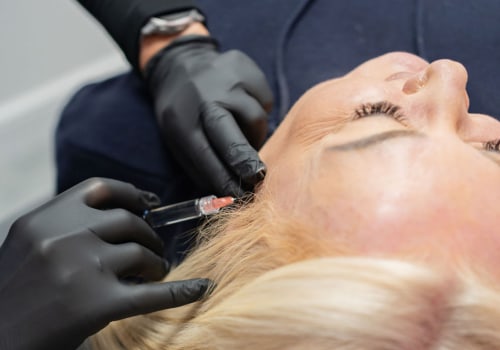
- Injection: Using a fine needle, the practitioner will inject the polynucleotide solution into targeted areas of your skin.
The injections are typically quick, lasting only a few minutes, depending on the number of areas being treated.
- Post-Treatment Care: After the injections, you may experience mild swelling or redness at the injection sites. This is normal and usually subsides within a few hours. Your practitioner will provide specific aftercare instructions, which may include avoiding strenuous exercise and sun exposure for a short period.
Recovery from Polynucleotide Injections
The recovery process is generally straightforward. Most patients can return to their daily activities immediately after treatment, although some may prefer to take it easy for a day or two.
It’s essential to follow your practitioner’s aftercare advice closely to optimise results and minimise any potential side effects.In the days following your treatment, you may notice gradual improvements in your skin's texture and hydration as collagen production increases. Full results typically become visible within a few weeks as your skin continues to rejuvenate.Overall, understanding the polynucleotide treatment process can empower you to make informed decisions about your skincare journey. With proper care and realistic expectations, you can look forward to enjoying the revitalising benefits of this innovative therapy.
Potential Side Effects and Considerations
While the benefits of polynucleotide treatment are significant, it is essential to consider potential side effects and risks associated with this innovative therapy. Understanding these factors can help individuals make informed decisions about their skincare options.Common side effects of polynucleotide injections may include:- Mild swelling: It is not uncommon to experience some swelling at the injection site.
This usually subsides within a few days.
- Bruising: Some patients may notice bruising, which can occur due to the fine needle used during the procedure. This typically resolves quickly.
- Redness: Temporary redness around the injection area is also a possibility, often fading within hours.
- Itching or tenderness: Some individuals may feel slight itching or tenderness post-treatment, which generally diminishes shortly after.
Who Should Avoid Polynucleotide Treatment?
Polynucleotide treatment may not be suitable for everyone. Individuals who should exercise caution or avoid this treatment include:- Pregnant or breastfeeding women: Due to limited research on the effects of polynucleotides during pregnancy and lactation, it is advisable for these individuals to refrain from undergoing treatment.
- Those with active skin infections: If you have an active infection or inflammation in the area to be treated, it is crucial to wait until the condition has resolved before considering injections.
- Individuals with certain medical conditions: Those with autoimmune disorders or other chronic health issues should consult their healthcare provider to assess the suitability of polynucleotide treatment.
- Allergy sufferers: If you have a known allergy to any components of the polynucleotide solution, it is vital to avoid this treatment.
Transparency about possible side effects fosters trust and ensures that patients feel confident in their choices.
Real-Life Results: Case Studies and Testimonials
Polynucleotide treatments have garnered significant attention in the skincare community, and real-life results from patients provide compelling evidence of their effectiveness. Below, we explore several case studies and testimonials that highlight the transformative impact of these innovative therapies.Case Study 1: Rejuvenating Dark Circles
One patient, Sarah, a 35-year-old marketing executive, struggled with persistent dark circles and fine lines under her eyes. After undergoing a series of polynucleotide injections, she reported remarkable improvements. "I noticed a significant reduction in the darkness and puffiness within just a few weeks.My skin feels firmer and looks so much brighter!" Sarah's experience illustrates how polynucleotides can specifically target delicate areas, rejuvenating the skin and restoring a youthful appearance.
Case Study 2: Healing Sun-Damaged Skin
John, a 50-year-old outdoor enthusiast, had been dealing with sun-damaged skin for years. He decided to try polynucleotide treatment after hearing about its regenerative properties. Following his sessions, John shared, "The texture of my skin has improved dramatically. The rough patches have softened, and I can see a noticeable reduction in the sunspots that used to bother me." His testimonial underscores the ability of polynucleotides to heal and revitalise skin affected by environmental damage.Case Study 3: Addressing Acne Scarring
Emily, a 28-year-old who had struggled with acne in her teenage years, sought treatment for her residual scarring.After completing her polynucleotide therapy, she expressed her satisfaction: "I was amazed at how much smoother my skin became. The scars are less visible, and I feel more confident without makeup!" This case highlights the potential of polynucleotides to improve skin texture and reduce the appearance of scars.
Patient Testimonials
- Mark: "I was sceptical at first, but after my treatment, I can honestly say my skin looks healthier than it has in years! The hydration boost is incredible."
- Lisa: "The results were beyond my expectations. My friends noticed the difference before I even mentioned it!"
- Tom: "I appreciate that this treatment works at a cellular level. It feels good knowing I'm promoting my skin's natural healing processes."
The positive feedback from patients not only enhances the credibility of polynucleotide treatments but also encourages others to consider this innovative approach to skincare.
Consultation: Finding the Right Professional for Your Needs
Choosing the right professional for your polynucleotide treatment is crucial to achieving the best possible results. With the increasing popularity of this innovative skincare solution, it is essential to ensure that you are in capable hands. Here are some key factors to consider when selecting a practitioner:- Qualifications and Experience: Look for a practitioner who is qualified and has extensive experience in administering polynucleotide treatments. Check their credentials, including any relevant certifications or training in aesthetic medicine.
- Specialisation: It’s beneficial to choose a professional who specialises in regenerative medicine or dermatology.
Their focused expertise will enhance their understanding of skin anatomy and treatment techniques.
- Reputation: Research the practitioner’s reputation by reading reviews and testimonials from previous clients. A well-regarded professional will often have positive feedback regarding their skills and patient care.
- Consultation Process: A thorough consultation is vital before undergoing any treatment. During this initial meeting, the practitioner should assess your skin condition, discuss your goals, and explain how polynucleotide treatment can help you achieve them.
- Personalised Approach: Ensure that the practitioner takes a personalised approach to your treatment plan. They should consider your unique skin type, concerns, and desired outcomes rather than offering a one-size-fits-all solution.
A qualified professional will be transparent about what to expect and will provide you with comprehensive information to help you make an informed decision.Additionally, observe the clinic’s environment. A clean, well-maintained facility with modern equipment reflects a commitment to safety and quality care. Trust your instincts; if something feels off during your visit, it may be worth exploring other options.Ultimately, finding the right professional for your polynucleotide treatment can significantly impact your results and overall satisfaction. Take your time in making this important decision, ensuring that you feel confident and comfortable with your chosen practitioner.
<strong>Conclusion</strong>
In summary, the advent of polynucleotide treatment marks a significant milestone in the realm of skincare and regenerative medicine.These innovative therapies harness the power of complex chains of nucleotides, which are essential components of DNA and RNA, to stimulate cellular regeneration and enhance skin health. The multifaceted benefits of polynucleotides extend beyond mere cosmetic improvements; they offer a holistic approach to skin rejuvenation.One of the standout features of polynucleotide treatments is their ability to promote natural collagen and elastin production. This not only improves skin elasticity but also helps in reducing the appearance of fine lines and wrinkles, leading to a more youthful complexion. Furthermore, these treatments are particularly effective in addressing specific concerns such as dark circles, sun damage, and acne scars, making them a versatile option for various skin types.Moreover, the hydrating properties of polynucleotides cannot be overlooked.
By enhancing moisture retention within the skin, these treatments contribute to a plumper and more radiant appearance. The reduction in inflammation and accelerated healing processes associated with polynucleotide injections further solidify their status as a revolutionary skincare solution.As with any medical or cosmetic procedure, it is crucial to consult with a qualified professional before undergoing treatment. A thorough assessment will ensure that polynucleotide therapy is tailored to meet individual skin needs and goals. This personalised approach maximises the effectiveness of the treatment while minimising potential side effects.In conclusion, polynucleotide treatments represent a promising avenue for those seeking to enhance their skin's health and appearance.
With their ability to rejuvenate at a cellular level, these therapies not only improve aesthetic outcomes but also contribute to overall skin vitality. As research continues to evolve in this field, we can expect even more exciting developments that will further establish polynucleotides as a cornerstone in modern skincare.