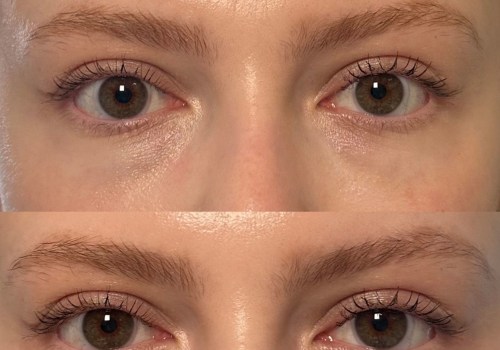
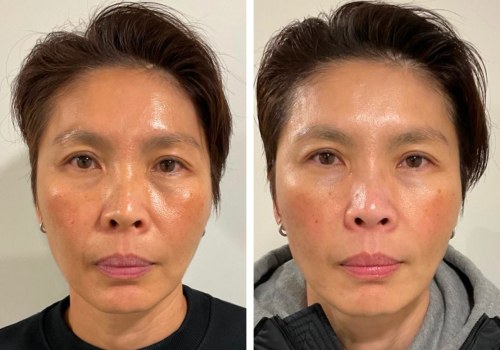
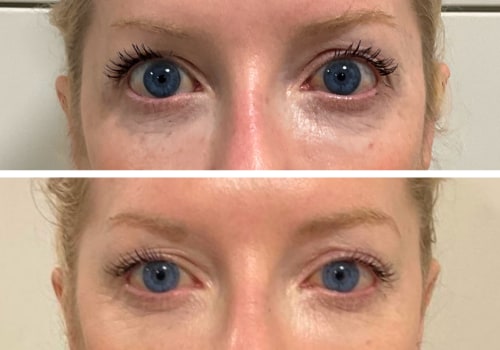
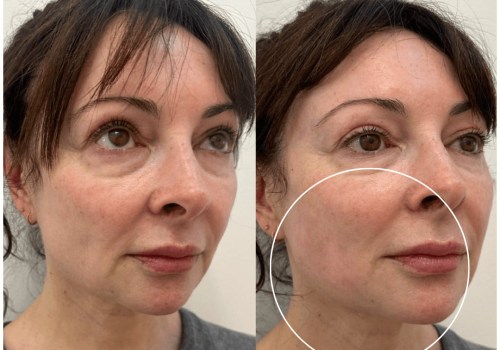
Polynucleotides, often abbreviated as PNs, are naturally occurring biopolymers that play a crucial role in the field of aesthetic medicine. Derived from the DNA of salmon sperm, these remarkable molecules are composed of long chains of nucleotides, which are the building blocks of genetic material. Their unique structure and properties have garnered significant attention for their potential in skin rejuvenation and repair. As we delve deeper into the world of polynucleotides, it becomes evident that their significance extends far beyond mere biological functions; they represent a groundbreaking advancement in non-invasive cosmetic treatments.The primary appeal of polynucleotide treatments lies in their ability to stimulate cellular regeneration and enhance skin health.
Unlike traditional fillers that provide immediate volume but may not address underlying skin issues, polynucleotides work at a deeper level by promoting collagen and elastin production. This dual action not only improves the skin's texture and elasticity but also contributes to a more youthful appearance over time. As a result, patients seeking to combat the visible signs of aging are increasingly turning to these innovative treatments.Moreover, the benefits of polynucleotide treatments are not limited to aesthetic improvements. They also offer therapeutic advantages by aiding in the healing process of damaged skin and reducing inflammation.
This makes them suitable for a wide range of skin types and conditions, including those affected by sun damage or environmental stressors. As we explore the various applications and advantages of polynucleotides in aesthetic medicine, it becomes clear that they represent a versatile and effective option for individuals looking to enhance their skin's vitality without resorting to invasive procedures.
The Science Behind Polynucleotide Treatments
Polynucleotide treatments, often referred to as PN or PDRN, are rooted in advanced scientific principles that harness the power of cellular regeneration. At the core of these treatments is the unique ability of polynucleotides to stimulate the body’s natural healing processes, making them a revolutionary option in aesthetic medicine.Polynucleotides are derived from salmon sperm DNA, which is rich in nucleotides—molecules that play a crucial role in cellular function and repair. When injected into the skin, these nucleotides act as signalling molecules that promote cellular activity.This process begins with the stimulation of fibroblasts, the cells responsible for producing collagen and elastin, two proteins essential for maintaining skin elasticity and firmness.
How Polynucleotide Treatments Work
The mechanism of action for polynucleotide treatments can be broken down into several key steps:
- Cellular Uptake: Once injected, polynucleotides are absorbed by skin cells, initiating a cascade of biological responses.
- Fibroblast Activation: The presence of polynucleotides activates fibroblasts, leading to increased production of collagen and elastin. This is vital for restoring skin structure and reducing signs of aging.
- Enhanced Vascularisation: Polynucleotides also promote angiogenesis, the formation of new blood vessels. This improved blood flow enhances nutrient delivery to skin cells, further supporting regeneration.
- Anti-Inflammatory Effects: The treatment has been shown to reduce inflammation in the skin, which can help alleviate conditions such as redness and irritation.
The Role of Cellular Regeneration
Cellular regeneration is a fundamental aspect of maintaining youthful skin.
As we age, our body’s natural ability to regenerate diminishes, leading to visible signs of aging. Polynucleotide treatments counteract this decline by enhancing the body’s intrinsic repair mechanisms. By promoting cellular turnover and encouraging the production of essential proteins, these treatments help restore a more youthful appearance.In summary, the science behind polynucleotide treatments lies in their ability to stimulate cellular regeneration through enhanced fibroblast activity and improved vascularisation. This innovative approach not only rejuvenates the skin but also supports long-term skin health by addressing the underlying causes of aging.
Long-Lasting Effects of Polynucleotide Treatments
Polynucleotide treatments, often referred to as PN or PDRN, have gained significant attention in the realm of aesthetic medicine due to their remarkable ability to rejuvenate the skin.One of the most compelling aspects of these treatments is their long-lasting effects, which can vary based on several factors.Typically, the visible results from polynucleotide treatments can be expected to last between four to six months. However, this duration can be influenced by individual characteristics such as age, lifestyle choices, and the specific skin condition being treated. For instance, younger patients with healthier skin may experience prolonged effects compared to older individuals or those with more significant skin concerns.After undergoing a polynucleotide treatment, patients often notice gradual improvements in their skin's appearance. While some immediate benefits may be observed shortly after the procedure, the most significant changes usually manifest within . However, this duration can be influenced by individual characteristics such as age, lifestyle choices, and the specific skin condition being treated. For instance, younger patients with healthier skin may experience prolonged effects compared to older individuals or those with more significant skin concerns.After undergoing a polynucleotide treatment, patients often notice gradual improvements in their skin's appearance. While some immediate benefits may be observed shortly after the procedure, the most significant changes usually manifest within two to three months.
During this period, patients can expect to see a reduction in fine lines and wrinkles, enhanced skin texture, and increased hydration levels.To maintain these long-term benefits, it is advisable for patients to schedule maintenance sessions every few months. This proactive approach not only helps in sustaining the results but also promotes ongoing skin health by continually stimulating collagen and elastin production.Moreover, the longevity of polynucleotide effects can extend beyond the typical six-month mark in some cases. Factors such as consistent skincare routines, sun protection measures, and overall health can contribute to a more extended duration of results. In contrast to dermal fillers that provide immediate volume but may require more frequent touch-ups, polynucleotide treatments offer a unique advantage by enhancing the skin's natural regenerative processes.In summary, while the initial effects of polynucleotide treatments are evident within a few months, their long-lasting benefits are contingent upon individual factors and proper aftercare.
By understanding these dynamics, patients can make informed decisions about their skincare journey and enjoy the enduring advantages that polynucleotides have to offer.
Comparing Polynucleotide Treatments to Other Aesthetic Procedures
When considering aesthetic treatments, it is essential to understand the differences between various options available, particularly polynucleotide treatments and dermal fillers. Both procedures aim to enhance the skin's appearance, but they operate through distinct mechanisms and offer unique benefits.Polynucleotide Treatments vs. Dermal Fillers
Polynucleotide treatments, derived from salmon sperm DNA, focus on stimulating the body’s natural healing processes. They promote collagen and elastin production, which are vital for maintaining skin elasticity and firmness.
In contrast, dermal fillers primarily provide immediate volume and contouring by physically filling in wrinkles and hollows. While fillers can create instant results, they do not address the underlying skin health issues.One of the significant advantages of polynucleotide treatments is their ability to improve skin quality over time. Patients often notice gradual enhancements in texture, hydration, and overall radiance within a few months post-treatment. This regenerative approach can lead to longer-lasting results compared to dermal fillers, which typically require more frequent touch-ups to maintain volume.
Suitability for Different Skin Types
Another critical factor in choosing between these treatments is their suitability for various skin types.
Polynucleotide treatments are versatile and can be beneficial for all skin types, including sensitive or acne-prone skin. They work by enhancing the skin's natural regenerative capabilities without the risk of adverse reactions commonly associated with some fillers.On the other hand, dermal fillers may not be ideal for individuals with certain skin conditions or those prone to swelling and bruising. The choice of treatment should always be tailored to the individual’s specific needs and concerns.
Non-Invasive Nature of Polynucleotide Treatments
Both polynucleotide treatments and dermal fillers are considered non-invasive procedures; however, polynucleotides offer a more holistic approach to skin rejuvenation. They not only enhance appearance but also improve overall skin health by encouraging cellular regeneration.
This makes them an excellent option for those seeking a natural-looking enhancement without the need for surgical intervention.In summary, while both polynucleotide treatments and dermal fillers have their place in aesthetic medicine, polynucleotides stand out for their long-term benefits and suitability across various skin types. For individuals looking to rejuvenate their skin while promoting its health, polynucleotide treatments may be the superior choice.
Who Can Benefit from Polynucleotide Treatments?
Polynucleotide treatments have emerged as a revolutionary option in aesthetic medicine, appealing to a broad spectrum of individuals seeking to enhance their skin's appearance. However, understanding who can benefit most from these treatments is crucial for achieving optimal results.Age Considerations
While polynucleotide treatments can be effective for various age groups, they are particularly beneficial for adults aged 30 and above. This is primarily because, as we age, our skin naturally loses collagen and elastin, leading to visible signs of ageing such as fine lines, wrinkles, and sagging.
Individuals in their 30s and 40s often start noticing these changes and can greatly benefit from the regenerative properties of polynucleotides.Moreover, those in their 50s and beyond may find polynucleotide treatments especially advantageous as they help to restore skin elasticity and hydration that diminishes with age. The treatment not only addresses existing concerns but also acts as a preventive measure against further skin deterioration.
Skin Type Considerations
One of the remarkable aspects of polynucleotide treatments is their versatility across different skin types. Whether you have dry, oily, combination, or sensitive skin, these treatments can be tailored to meet your specific needs. For instance:
- Dry Skin: Polynucleotides can significantly improve hydration levels, making them an excellent choice for individuals with dry or dehydrated skin.
- Oily Skin: Those with oily skin may benefit from the treatment's ability to enhance overall skin texture without adding excess oil.
- Sensitive Skin: As polynucleotides are derived from natural sources and are generally well-tolerated, they are suitable for individuals with sensitive skin who may react adversely to harsher treatments.
Specific Concerns Addressed
Polynucleotide treatments are particularly effective for addressing a range of specific skin concerns:
- Fine Lines and Wrinkles: The stimulation of collagen production helps reduce the appearance of fine lines and wrinkles.
- Pore Size: Improved skin texture can lead to a reduction in the visibility of enlarged pores.
- Skin Tone and Texture: These treatments promote an even skin tone and smoother texture, making them ideal for those with uneven pigmentation or rough patches.
- Post-Acne Scarring: Individuals with acne scars may find that polynucleotide treatments aid in the healing process and improve overall skin quality.
Whether you are looking to combat the signs of ageing or improve your overall skin health, these treatments can provide significant benefits tailored to your unique needs.
Safety and Considerations in Polynucleotide Treatments
When considering polynucleotide treatments, it is essential to understand their safety profile, potential side effects, and the precautions necessary to ensure a positive experience. As with any aesthetic procedure, being informed can help patients make educated decisions about their skincare.Safety Profile of Polynucleotide Treatments
Polynucleotide treatments are generally regarded as safe when administered by qualified professionals. The primary ingredient, derived from salmon sperm DNA, undergoes rigorous purification processes to eliminate any contaminants. This ensures that the product is not only effective but also safe for use in humans.Furthermore, polynucleotides are biocompatible, meaning they are well-tolerated by the body and unlikely to provoke adverse reactions.
Potential Side Effects
While the risk of side effects is relatively low, some patients may experience mild and temporary reactions following treatment. Common side effects include:- Swelling: Mild swelling at the injection site is common and usually subsides within a few days.
- Redness: Temporary redness may occur, similar to what one might experience after a minor skin injury.
- Pain or Discomfort: Some patients report slight discomfort during and after the procedure, which can typically be managed with over-the-counter pain relief.
- Bruising: Bruising may occur at the injection sites but is generally minor and resolves quickly.
Treatment Precautions
Before undergoing polynucleotide treatments, patients should consider the following precautions:- Consultation: A thorough consultation with a qualified practitioner is essential. This allows for a personalised assessment of skin type, concerns, and treatment goals.
- Avoid Blood Thinners: Patients are advised to avoid blood-thinning medications or supplements (such as aspirin or fish oil) for at least a week prior to treatment to minimise bruising.
- Post-Treatment Care: Following treatment, it is important to adhere to aftercare instructions provided by the practitioner.
This may include avoiding strenuous exercise, sun exposure, and certain skincare products for a specified period.
- Follow-Up Appointments: Regular follow-up appointments can help monitor results and address any concerns that may arise post-treatment.
Maintenance and Follow-Up Care for Optimal Results
To ensure that the benefits of polynucleotide treatments are maximised, it is essential to incorporate a structured approach to maintenance and aftercare. These practices not only enhance the longevity of the results but also promote overall skin health.Importance of Maintenance Sessions
After the initial treatment, maintenance sessions play a crucial role in sustaining the rejuvenating effects of polynucleotides. Typically, it is recommended to schedule follow-up treatments every four to six months, depending on individual skin conditions and lifestyle factors.Regular maintenance helps to:
- Stimulate Continuous Collagen Production: Regular sessions encourage ongoing collagen and elastin synthesis, which are vital for maintaining skin elasticity and firmness.
- Address New Signs of Ageing: As time progresses, new fine lines and wrinkles may appear. Maintenance treatments can help mitigate these emerging signs.
- Enhance Skin Texture: Consistent treatments contribute to improved skin texture and hydration, ensuring that the skin remains smooth and radiant.
Aftercare Practices
In addition to scheduling maintenance sessions, proper aftercare is essential for prolonging the effects of polynucleotide treatments. Here are some recommended aftercare practices:- Avoid Direct Sunlight: Protect your skin from sun exposure for at least two weeks post-treatment. Use a broad-spectrum sunscreen with an SPF of 30 or higher to shield your skin from harmful UV rays.
- Hydrate Your Skin: Keeping your skin well-hydrated is crucial.
Use moisturisers that contain hyaluronic acid or other hydrating ingredients to maintain moisture levels.
- Avoid Harsh Products: For at least a week following treatment, refrain from using exfoliants, retinoids, or any products that may irritate the skin.
- Maintain a Healthy Lifestyle: A balanced diet rich in antioxidants, regular exercise, and adequate sleep can significantly enhance your skin's recovery and overall appearance.
Frequently Asked Questions about Polynucleotide Treatments
As the popularity of polynucleotide treatments continues to rise, many potential patients have questions and concerns regarding their efficacy, safety, and overall benefits. Below, we address some of the most frequently asked questions to help clarify any misconceptions and provide valuable insights.What are polynucleotides?
Polynucleotides, often referred to as PN or PDRN, are naturally occurring molecules derived from the DNA of salmon sperm. They play a crucial role in cellular regeneration and repair, making them particularly effective in aesthetic treatments aimed at rejuvenating the skin.How do polynucleotide treatments work?
These treatments work by stimulating the body’s natural healing processes. When injected into the skin, polynucleotides promote collagen and elastin production, which are essential for maintaining skin elasticity and firmness.This cellular stimulation leads to improved skin texture, hydration, and a reduction in fine lines and wrinkles over time.
Are there any side effects?
While polynucleotide treatments are generally considered safe, some patients may experience mild side effects such as redness, swelling, or bruising at the injection site. These effects are typically temporary and resolve within a few days. It is essential to consult with a qualified practitioner to discuss any potential risks.How long do the results last?
The results of polynucleotide treatments can last anywhere from six to twelve months, depending on individual factors such as age, skin condition, and lifestyle. To maintain optimal results, maintenance sessions every few months are recommended.Can anyone receive polynucleotide treatments?
Yes, polynucleotide treatments are suitable for all adult skin types.They can effectively address signs of photoaging in both men and women without the need for invasive procedures.
Are there any myths about polynucleotide treatments?
- Myth: Polynucleotide treatments provide instant results.
- Fact: While some improvements may be visible shortly after treatment, the full benefits typically manifest over two to three months as collagen production increases.
- Myth: Polynucleotides can be reversed like dermal fillers.
- Fact: Once injected, polynucleotides cannot be dissolved or reversed, making it crucial to choose a skilled practitioner.
Conclusion: The Future of Skin Rejuvenation with Polynucleotides
As we draw to a close on our exploration of polynucleotide treatments, it is evident that these innovative therapies represent a significant advancement in the realm of skin rejuvenation. The long-lasting benefits of polynucleotides, derived from salmon sperm DNA, offer a unique approach to enhancing skin health and appearance. Unlike traditional methods that primarily focus on superficial improvements, polynucleotide treatments work at a cellular level, promoting natural regeneration and repair.Throughout this article, we have highlighted several key advantages of polynucleotide treatments:- Stimulating Collagen and Elastin Production: One of the most compelling benefits is their ability to stimulate the production of collagen and elastin, essential proteins that maintain skin elasticity and firmness. This natural boost can lead to a more youthful appearance over time.
- Long-Lasting Results: With effects typically lasting between four to six months, and in some cases even longer, polynucleotide treatments provide a sustainable solution for those seeking to combat the signs of aging.
- Versatility: Suitable for all skin types and effective in addressing various concerns such as fine lines, wrinkles, and photoaging, these treatments cater to a broad audience.
- Natural-Looking Outcomes: Patients often report results that appear completely natural, making polynucleotides an excellent choice for individuals desiring subtle enhancements rather than drastic changes.
As more individuals seek non-invasive options that deliver real results without the need for surgical intervention, polynucleotides stand out as a promising alternative. Furthermore, ongoing research into hybrid products that combine polynucleotides with other beneficial ingredients like hyaluronic acid may enhance their efficacy even further.In conclusion, if you are considering options for skin rejuvenation, polynucleotide treatments should be at the forefront of your mind. Their ability to promote natural healing and regeneration not only addresses immediate aesthetic concerns but also contributes to long-term skin health. As we embrace these advancements in aesthetic medicine, it is clear that polynucleotides will play a pivotal role in shaping the future of skincare.