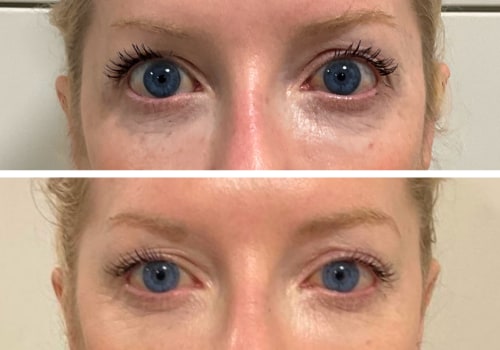
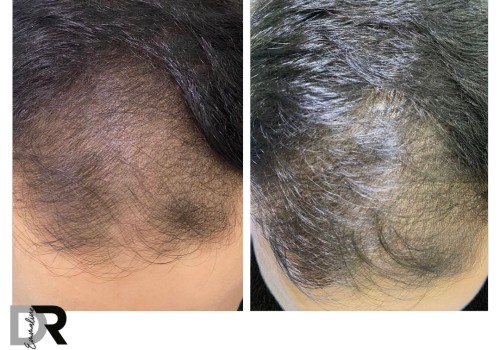
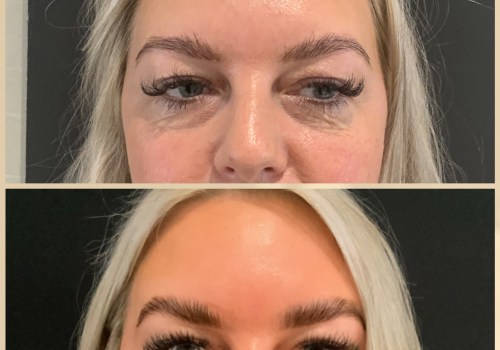
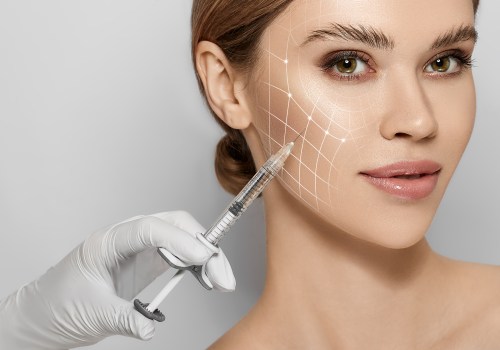
In the realm of aesthetic medicine, the quest for youthful, radiant skin has led to the emergence of innovative treatments that harness the power of polynucleotides. These naturally occurring molecules, composed of long chains of nucleotides, play a crucial role in cellular processes, particularly in the regeneration and repair of tissues. As we age, our skin undergoes various changes, including a decline in collagen production and elasticity, which can lead to visible signs of aging such as wrinkles and sagging. This is where polynucleotides come into play, offering a promising solution for skin rejuvenation.Polynucleotide injections are designed to stimulate the body’s natural healing processes by promoting collagen synthesis and enhancing cellular activity.
Unlike traditional dermal fillers that primarily provide volume through physical means, polynucleotides work at a molecular level to rejuvenate the skin from within. This unique mechanism not only improves skin texture and hydration but also encourages long-term benefits that can significantly enhance one’s appearance.The significance of polynucleotides in aesthetic medicine cannot be overstated. As practitioners increasingly recognise their potential, these treatments are becoming a staple in anti-aging protocols. By understanding how polynucleotides function and their impact on skin health, individuals can make informed decisions about their aesthetic treatments.
In this article, we will explore the science behind polynucleotide injections, their benefits, and how they can be integrated into a comprehensive skincare regimen for optimal results.
What Are Polynucleotides?
Polynucleotides are essential biomolecules composed of long chains of nucleotide units, which are the building blocks of nucleic acids such as DNA and RNA. Each nucleotide consists of three components: a nitrogenous base, a sugar molecule, and a phosphate group. The sequence and arrangement of these nucleotides determine the genetic information carried by the polynucleotide, playing a crucial role in various biological processes.There are two primary types of polynucleotides: deoxyribonucleic acid (DNA) and ribonucleic acid (RNA). DNA is typically double-stranded and serves as the genetic blueprint for all living organisms, encoding the instructions necessary for growth, development, and reproduction.In contrast, RNA is usually single-stranded and plays several roles in the expression of genes, including messenger RNA (mRNA), which conveys genetic information from DNA to ribosomes for protein synthesis.The biological roles of polynucleotides extend beyond mere genetic coding. They are involved in:
- Protein Synthesis: RNA molecules facilitate the translation of genetic information into proteins, which perform a myriad of functions within cells.
- Cellular Regulation: Certain types of RNA, such as microRNA, regulate gene expression by inhibiting or promoting the translation of specific mRNAs.
- Cell Repair and Maintenance: Polynucleotides play a vital role in cellular repair mechanisms, ensuring that damaged DNA is accurately repaired to maintain genomic integrity.
- Energy Transfer: Nucleotides like adenosine triphosphate (ATP) serve as energy carriers within cells, driving various biochemical reactions necessary for life.
Mechanism of Action: How Polynucleotide Injections Work
Polynucleotide injections represent a cutting-edge approach in aesthetic medicine, leveraging the natural processes of the body to enhance skin health and appearance. The primary mechanism of action involves the stimulation of collagen production and the activation of fibroblasts, which are crucial for maintaining skin structure and elasticity.When polynucleotides are injected into the dermal layers of the skin, they act as powerful bio-stimulants.These molecules are composed of nucleotides, which are the building blocks of DNA and RNA. Upon injection, they interact with the surrounding cells, particularly fibroblasts, which play a pivotal role in synthesising collagen and elastin.
Collagen Stimulation
Collagen is a vital protein that provides strength and structure to the skin. As we age, collagen production naturally declines, leading to wrinkles and sagging skin. Polynucleotide injections stimulate fibroblasts to increase collagen synthesis significantly.This process not only enhances the skin's firmness but also improves its overall texture and hydration levels.
Fibroblast Activation
Fibroblasts are essential cells found in connective tissue that produce collagen, elastin, and other extracellular matrix components. The introduction of polynucleotides into the skin activates these fibroblasts, prompting them to proliferate and migrate to the site of injection. This activation results in a cascade of biological responses that promote tissue repair and regeneration.Moreover, polynucleotides have been shown to enhance cellular communication within the dermis. By facilitating intercellular signalling, they help coordinate the repair processes among various cell types, ensuring a more efficient healing response.This synergy not only aids in rejuvenating aged skin but also supports overall skin health.In summary, the mechanism of action behind polynucleotide injections is rooted in their ability to stimulate collagen production and activate fibroblasts. This dual action not only addresses existing signs of ageing but also promotes long-term skin vitality, making polynucleotide treatments a valuable option for those seeking effective anti-ageing solutions.
Benefits of Polynucleotide Injections for Skin Rejuvenation
Polynucleotide injections have emerged as a revolutionary treatment in the realm of aesthetic medicine, offering a multitude of benefits that significantly enhance skin rejuvenation. These injections are particularly renowned for their ability to improve skin elasticity and hydration, two critical factors that contribute to a youthful appearance.One of the primary advantages of polynucleotide injections is their capacity to stimulate collagen production. Collagen is a vital protein that provides structure and firmness to the skin.As we age, collagen levels naturally decline, leading to sagging and loss of elasticity. By introducing polynucleotides into the dermal layers, these injections promote the activity of fibroblasts—cells responsible for collagen synthesis. This process not only helps restore lost volume but also enhances the overall texture and resilience of the skin.In addition to boosting collagen, polynucleotide injections are effective in improving skin hydration. The polynucleotides attract and retain moisture within the skin, resulting in a plumper and more radiant complexion.
This hydrating effect is particularly beneficial for individuals with dry or dehydrated skin, as it helps to restore balance and vitality.Moreover, polynucleotide treatments can aid in reducing the appearance of fine lines and wrinkles. As the skin becomes more elastic and hydrated, these signs of aging become less pronounced, contributing to a smoother and more youthful visage. Clients often report a noticeable improvement in their skin's overall quality following treatment, which can last for several months.Another significant benefit is the minimal downtime associated with polynucleotide injections. Unlike more invasive procedures, these treatments typically involve little to no recovery time, allowing individuals to resume their daily activities almost immediately.
This convenience makes them an attractive option for those seeking effective yet non-disruptive skin rejuvenation solutions.In summary, the benefits of polynucleotide injections extend beyond mere aesthetic improvements. By enhancing skin elasticity, boosting hydration levels, and promoting collagen production, these treatments offer a comprehensive approach to skin rejuvenation that can lead to long-lasting results. For anyone considering aesthetic enhancements, polynucleotide injections represent a promising avenue worth exploring.
Duration of Effects: How Long Do Results Last?
The duration of effects from polynucleotide injections can vary significantly among individuals, influenced by a range of factors including metabolism, age, lifestyle choices, and skin condition. On average, clients can expect to see results lasting between six months to a year.However, understanding the nuances behind these durations can help potential clients set realistic expectations and plan their treatment schedules effectively.
Individual Factors Influencing Duration
- Metabolism: Each person's metabolic rate plays a crucial role in how quickly the body processes and utilises the injected polynucleotides. A faster metabolism may lead to quicker absorption and potentially shorter-lasting effects.
- Age: As we age, our skin's natural ability to regenerate and produce collagen diminishes. Older individuals may find that the effects of polynucleotide injections do not last as long as they do for younger clients.
- Lifestyle Choices: Factors such as diet, hydration levels, sun exposure, and smoking can significantly impact skin health and longevity of treatment results. A healthy lifestyle can enhance the effectiveness of polynucleotide treatments.
- Skin Condition: The initial state of the skin prior to treatment also affects outcomes.
Clients with pre-existing skin conditions may experience different results compared to those with healthy skin.
Importance of Maintenance Sessions
To maximise the longevity of results from polynucleotide injections, regular maintenance sessions are highly recommended. These sessions typically occur every six months following the initial treatments. By scheduling these follow-up appointments, clients can help sustain collagen production and cellular repair processes initiated by the initial injections.At clinics like NEO Health Clinic, practitioners often suggest an initial series of two treatments spaced two weeks apart, followed by maintenance sessions. This structured approach not only helps in achieving optimal results but also ensures that the benefits are preserved over time.In conclusion, while the effects of polynucleotide injections can be long-lasting, individual factors play a significant role in determining how long these results will endure.
By understanding these variables and committing to maintenance sessions, clients can enjoy sustained improvements in their skin's appearance and health.
Factors Influencing the Longevity of Results
The effectiveness and longevity of results from polynucleotide injections can be significantly influenced by a variety of factors. Understanding these elements is crucial for individuals seeking to maximise the benefits of their treatments. Below, we explore the key factors that can affect the duration of results.Age and Skin Condition
One of the most significant factors influencing the longevity of results is the age of the individual receiving treatment. As we age, our skin undergoes natural changes, including a decrease in collagen and elastin production.This reduction can lead to diminished skin elasticity and hydration, making it more challenging for treatments like polynucleotide injections to achieve lasting effects.Moreover, older skin may not respond as robustly to polynucleotides as younger skin. Therefore, individuals in their 30s and 40s may experience longer-lasting results compared to those in their 50s and beyond. Additionally, pre-existing skin conditions such as dryness, acne scars, or sun damage can also impact how well the skin responds to treatment.
Lifestyle Choices
Lifestyle choices play a pivotal role in determining how long the results of polynucleotide injections last. Factors such as diet, hydration, exercise, and sun exposure can either enhance or diminish the effectiveness of the treatment.- Diet: A balanced diet rich in vitamins and antioxidants can support skin health and prolong the effects of treatments.
Foods high in omega-3 fatty acids, vitamins C and E, and zinc are particularly beneficial.
- Hydration: Staying well-hydrated helps maintain skin elasticity and overall health. Dehydration can lead to premature aging and reduce the effectiveness of polynucleotide injections.
- Exercise: Regular physical activity improves blood circulation, which can enhance nutrient delivery to the skin and promote healing processes.
- Sun Protection: Excessive sun exposure can accelerate skin aging and diminish treatment results. Using sunscreen daily is essential for preserving skin health.
Maintenance Treatments
Regular maintenance sessions are also crucial for extending the longevity of results from polynucleotide injections. Many practitioners recommend follow-up treatments every six months to ensure that collagen production remains stimulated and that the skin continues to benefit from the initial treatment.In conclusion, while polynucleotide injections offer promising long-term benefits for skin rejuvenation, individual factors such as age, lifestyle choices, and adherence to maintenance schedules play a vital role in determining how long these results will last.By understanding and optimising these factors, individuals can significantly enhance their treatment outcomes.
Comparing Polynucleotide Injections with Other Aesthetic Treatments
In the realm of aesthetic treatments, polynucleotide injections have emerged as a compelling alternative to traditional options such as dermal fillers and Botox. Understanding the differences between these treatments is crucial for individuals seeking effective solutions for skin rejuvenation.Polynucleotides vs Dermal Fillers
- Mechanism of Action: While dermal fillers primarily work by adding volume to specific areas of the face, polynucleotide injections function by stimulating the body’s natural healing processes. They promote collagen and elastin production, which are essential for maintaining skin elasticity and firmness.
- Longevity of Results: The effects of polynucleotide injections can last significantly longer than those of dermal fillers. Typically, results from polynucleotide treatments can endure from six months to a year, depending on individual factors such as metabolism and skin condition.
In contrast, dermal fillers often require more frequent touch-ups, usually every three to six months.
- Natural Appearance: One of the standout advantages of polynucleotide injections is their ability to enhance the skin's natural texture without altering facial contours. This makes them an appealing choice for those who prefer a more subtle approach to anti-aging.
- Safety Profile: Polynucleotides are derived from natural sources, which may reduce the risk of allergic reactions compared to some synthetic dermal fillers. However, it is essential to consult with a qualified practitioner to ensure safety and efficacy.
Advantages of Polynucleotides
- Biostimulation: The biostimulatory properties of polynucleotides not only improve skin quality but also aid in tissue repair and regeneration. This dual action can lead to more comprehensive skin rejuvenation.
- Minimal Downtime: Unlike some invasive procedures, polynucleotide injections typically involve minimal downtime, allowing patients to resume their daily activities shortly after treatment.
- Customisable Treatments: Practitioners can tailor polynucleotide treatments to meet individual needs, combining them with other aesthetic procedures for enhanced results.
By understanding these differences, individuals can make informed decisions that align with their aesthetic goals.
Safety Considerations and Potential Side Effects
When considering polynucleotide injections for skin rejuvenation, it is essential to address safety concerns and potential side effects. Understanding these factors can help individuals make informed decisions about their treatment options.Safety of Polynucleotide Injections
Polynucleotide injections are generally regarded as safe when administered by qualified professionals. These treatments involve injecting a solution that promotes tissue repair and stimulates collagen production. However, as with any medical procedure, there are inherent risks involved.Before undergoing treatment, patients should undergo a thorough consultation to assess their medical history and any potential contraindications.
This includes discussing any allergies, particularly to fish, as polynucleotides are derived from fish DNA. Individuals with a known allergy to fish should avoid these injections.
Potential Side Effects
While many patients experience positive outcomes from polynucleotide injections, some may encounter side effects. Common side effects include:
- Swelling: Mild swelling at the injection site is common and typically resolves within a few days.
- Bruising: Some patients may experience bruising, which can be minimised by avoiding blood-thinning medications prior to treatment.
- Pain or Discomfort: A slight discomfort during the injection process is normal, but this usually subsides quickly.
- Redness: Temporary redness at the injection site may occur but generally fades within hours.
Contraindications
Certain individuals may not be suitable candidates for polynucleotide injections.
Contraindications include:
- Pregnant or breastfeeding women
- Individuals with active skin infections or inflammatory skin conditions
- Those with autoimmune disorders that may affect healing
- Patients on immunosuppressive therapy
Choosing a Qualified Practitioner for Polynucleotide Treatments
When considering polynucleotide injections for skin rejuvenation, selecting a qualified practitioner is paramount. The effectiveness and safety of the treatment largely depend on the expertise of the individual administering it. Here are some essential factors to consider when choosing a practitioner:- Qualifications and Credentials: Ensure that the practitioner holds relevant qualifications in aesthetic medicine.
Look for certifications from recognised institutions that specialise in cosmetic procedures. This not only demonstrates their knowledge but also their commitment to maintaining high standards in practice.
- Experience: Experience plays a crucial role in the success of polynucleotide treatments. Practitioners with extensive experience are more likely to understand the nuances of different skin types and conditions, allowing them to tailor treatments effectively. Ask about their history with polynucleotide injections specifically, including the number of procedures performed and patient outcomes.
- Reputation: Research the practitioner's reputation within the community.
Online reviews, testimonials, and before-and-after photos can provide insight into their skill level and patient satisfaction. Additionally, consider seeking recommendations from friends or family who have undergone similar treatments.
- Consultation Process: A reputable practitioner will offer a thorough consultation before any treatment. This should include a discussion about your medical history, skin concerns, and treatment goals. They should also explain the procedure in detail, including potential risks and expected outcomes.
- Safety Protocols: Inquire about the safety measures in place at the clinic.
A qualified practitioner should adhere to strict hygiene standards and be prepared to handle any complications that may arise during or after the treatment.
Conclusion: The Future of Polynucleotide Injections in Aesthetic Medicine
In summary, the exploration of polynucleotide injections has unveiled a promising avenue in the realm of aesthetic medicine, offering a unique approach to skin rejuvenation that stands apart from traditional methods. Throughout this article, we have examined the mechanisms by which polynucleotides operate, their ability to stimulate collagen and elastin production, and the long-lasting benefits they provide for skin health.The longevity of results from polynucleotide treatments, typically ranging from six months to a year, highlights their effectiveness in promoting natural skin repair and regeneration. This is particularly significant in an industry where clients are increasingly seeking solutions that not only enhance their appearance but also support the overall health of their skin.As we look to the future, it is clear that the role of polynucleotide injections in aesthetic medicine is set to expand.With ongoing research and advancements in technology, we can anticipate further refinements in treatment protocols and techniques that will enhance efficacy and safety. The potential for combining polynucleotides with other modalities, such as microneedling or radiofrequency treatments , could lead to synergistic effects that maximise results.Moreover, as awareness grows regarding the benefits of biostimulation and natural approaches to anti-aging, more practitioners may incorporate polynucleotide therapies into their offerings. This shift could democratise access to advanced aesthetic treatments, making them available to a broader audience.In conclusion, polynucleotide injections represent not just a trend but a significant evolution in aesthetic medicine. Their ability to deliver sustainable results while promoting skin health positions them as a cornerstone of future anti-aging strategies.
As practitioners continue to refine their techniques and clients become more informed about their options, the future of polynucleotide injections looks exceptionally bright.