In the ever-evolving field of dermatology, the introduction of polynucleotides has marked a significant turning point in skin treatment methodologies. These naturally occurring molecules, which are essential components of DNA and RNA, play a crucial role in cellular processes, including growth, repair, and regeneration. Their unique properties make them particularly effective in addressing various skin concerns, from signs of aging to hyperpigmentation and overall skin texture improvement.Polynucleotide treatments harness the power of these molecules to stimulate the body’s natural healing processes at a cellular level. By promoting collagen and elastin production, they enhance skin elasticity and hydration, leading to a more youthful appearance. has marked a significant turning point in skin treatment methodologies. These naturally occurring molecules, which are essential components of DNA and RNA, play a crucial role in cellular processes, including growth, repair, and regeneration. Their unique properties make them particularly effective in addressing various skin concerns, from signs of aging to hyperpigmentation and overall skin texture improvement.Polynucleotide treatments harness the power of these molecules to stimulate the body’s natural healing processes at a cellular level. By promoting collagen and elastin production, they enhance skin elasticity and hydration, leading to a more youthful appearance.
Unlike traditional treatments that may rely on synthetic fillers or harsh chemicals, polynucleotides work in harmony with the body’s own biological systems, ensuring a more natural and effective approach to skincare.The significance of polynucleotides in dermatology cannot be overstated. As we delve deeper into their mechanisms and benefits, it becomes clear that these treatments offer a revolutionary alternative for individuals seeking to rejuvenate their skin without invasive procedures. With their ability to improve skin texture, reduce fine lines, and promote overall skin health, polynucleotides are paving the way for a new era in dermatological care.
What Are Polynucleotide Treatments?
Polynucleotide treatments represent a groundbreaking approach in the field of dermatology, specifically designed to rejuvenate and enhance skin health. These treatments utilise polynucleotides, which are naturally occurring molecules composed of long chains of nucleotides.Nucleotides are the building blocks of DNA and RNA, playing a crucial role in cellular functions and regeneration.When administered through polynucleotide injections , these compounds work at a cellular level to stimulate various biological processes. The primary mechanism involves promoting collagen and elastin production, essential proteins that contribute to skin elasticity and firmness. As we age, the natural production of these proteins diminishes, leading to visible signs of aging such as wrinkles, sagging skin, and reduced hydration.Polynucleotide treatments not only enhance the structural integrity of the skin but also improve its overall appearance by:
- Boosting Hydration: Polynucleotides attract water molecules, helping to maintain skin moisture levels and combat dryness.
- Reducing Inflammation: These treatments possess anti-inflammatory properties that can soothe irritated skin and promote a more even complexion.
- Encouraging Cell Regeneration: By stimulating cellular turnover, polynucleotides help in the repair of damaged skin cells, leading to a fresher and more youthful appearance.
Patients often report noticeable improvements in skin texture and tone within weeks following their initial treatment.In summary, polynucleotide treatments offer a sophisticated solution for those seeking effective skin rejuvenation. By harnessing the power of these natural compounds, dermatologists can provide patients with a safe and efficient method to restore their skin's vitality and youthful glow.
Mechanism of Action: How Polynucleotides Work
Polynucleotides are a class of biomolecules that play a crucial role in the rejuvenation of skin through their unique mechanisms of action. Understanding how these compounds work can illuminate their effectiveness in enhancing skin health and appearance.At the core of polynucleotide treatments is their ability to stimulate collagen productioncollagen production. Collagen is a vital protein that provides structure, strength, and elasticity to the skin.As we age, collagen levels naturally decline, leading to wrinkles, sagging, and a loss of firmness. Polynucleotides act as signalling molecules that promote fibroblast activity—the cells responsible for collagen synthesis. By enhancing fibroblast proliferation and activity, polynucleotides facilitate an increase in collagen production, which in turn helps restore the skin's youthful appearance.Moreover, polynucleotides contribute to improved skin elasticity. Elasticity refers to the skin's ability to stretch and return to its original shape.
This property is essential for maintaining a smooth and firm complexion. The stimulation of collagen not only aids in structural support but also enhances the production of elastin, another critical protein that contributes to skin elasticity. As elastin levels rise alongside collagen, the skin becomes more resilient and better equipped to withstand environmental stressors.In addition to promoting collagen and elastin synthesis, polynucleotides possess inherent hydrophilic properties, meaning they attract and retain moisture within the skin. This hydration is vital for maintaining skin turgor and suppleness.
When the skin is adequately hydrated, it appears plumper and more radiant, further diminishing the visibility of fine lines and wrinkles.Furthermore, polynucleotides have anti-inflammatory properties that can help soothe irritated skin. By modulating inflammatory responses, they create an optimal environment for healing and regeneration. This aspect is particularly beneficial for individuals with sensitive or reactive skin types.In summary, the mechanism of action of polynucleotides encompasses a multifaceted approach to skin rejuvenation. By stimulating collagen and elastin production, enhancing hydration, and reducing inflammation, these treatments offer a comprehensive solution for improving skin texture and elasticity.
As research continues to unveil the full potential of polynucleotides in dermatology, their role in skincare will undoubtedly become increasingly significant.
Benefits of Polynucleotide Treatments
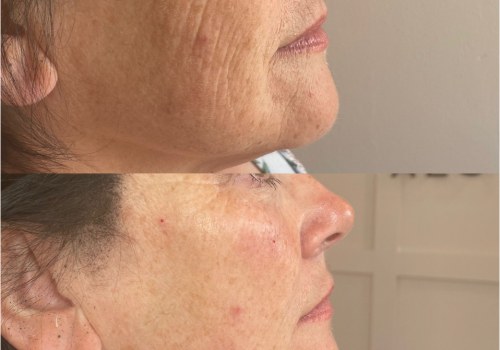
Polynucleotide treatments have emerged as a groundbreaking solution in the realm of dermatology, offering a multitude of benefits that cater to various skin concerns. These treatments are particularly renowned for their ability to enhance skin texture, boost hydration levels, and combat the visible signs of aging.One of the primary advantages of polynucleotide treatments is their effectiveness in improving skin texture. By stimulating collagen and elastin production, these treatments help to restore the skin's natural firmness and elasticity. Patients often report a noticeable smoothing of fine lines and wrinkles, resulting in a more youthful appearance.The gelatinous nature of polynucleotides allows for even distribution within the skin, ensuring that the treatment penetrates deeply and uniformly.In addition to texture improvement, polynucleotide treatments significantly enhance skin hydration. The unique formulation works by attracting moisture to the skin, which is essential for maintaining a plump and healthy complexion. This increased hydration not only improves the overall look of the skin but also aids in its repair processes, making it more resilient against environmental stressors.Moreover, polynucleotide treatments are particularly effective in addressing anti-aging concerns. As we age, our skin naturally loses its ability to regenerate and maintain moisture.
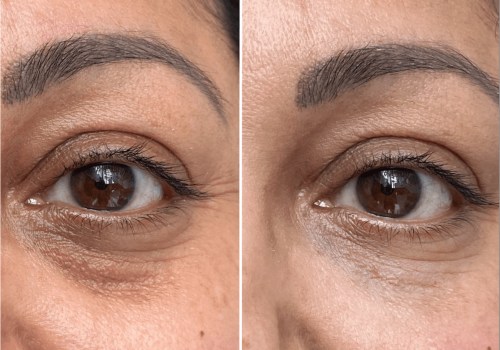
Polynucleotides counteract this decline by promoting cellular regeneration and rejuvenation. This leads to a reduction in age spots, uneven pigmentation, and other signs of aging that can detract from one’s appearance.Furthermore, these treatments are versatile and can be tailored to meet individual needs. Whether targeting specific areas such as under-eye hollows or addressing broader concerns like overall skin laxity, polynucleotide injections can be customised for optimal results.In summary, the benefits of polynucleotide treatments extend beyond mere cosmetic enhancements. They offer a holistic approach to skincare by improving texture, increasing hydration, and effectively combating the signs of aging.
As more individuals seek non-invasive solutions for their skincare needs, polynucleotides stand out as a revolutionary option that delivers lasting results.
Comparing Polynucleotides with Other Skin Treatments
When considering skin rejuvenation options, it is essential to understand how polynucleotide treatments compare to other popular modalities such as dermal fillers and hyaluronic acid injections. Each treatment has its unique benefits and applications, making it crucial to choose the right one based on individual skin concerns and desired outcomes. compare to other popular modalities such as dermal fillers and hyaluronic acid injections. Each treatment has its unique benefits and applications, making it crucial to choose the right one based on individual skin concerns and desired outcomes.Polynucleotides vs. Dermal Fillers
Dermal fillers are primarily used to add volume and plumpness to specific areas of the face, such as the cheeks, lips, and nasolabial folds. They work by physically filling in wrinkles and hollows, providing immediate results.However, these results are often temporary, lasting from six months to a year, depending on the type of filler used.In contrast, polynucleotide treatments focus on enhancing the skin's overall health by stimulating collagen production and promoting cellular regeneration. While fillers provide instant volume, polynucleotides offer a more gradual improvement in skin texture and elasticity over several weeks. This makes polynucleotides an excellent option for those seeking long-term skin health rather than just immediate cosmetic enhancement.
Polynucleotides vs. Hyaluronic Acid
Hyaluronic acid (HA) is a naturally occurring substance in the body known for its ability to retain moisture.HA injections are commonly used for hydration and plumping effects, similar to fillers. However, while HA can attract water to the skin, it may also lead to temporary swelling or discomfort in some patients.On the other hand, polynucleotides work synergistically with the body’s natural processes without causing significant swelling or discomfort. They not only improve hydration but also enhance skin elasticity and firmness by promoting collagen synthesis. This dual action makes polynucleotides a compelling alternative for individuals looking for comprehensive skin rejuvenation.
Unique Advantages of Polynucleotide Treatments
- Natural Integration: Polynucleotides mimic the body’s natural DNA, allowing for seamless integration and minimal risk of adverse reactions.
- Long-Lasting Results: The effects of polynucleotide treatments can last up to six months or longer with proper maintenance, making them a cost-effective option in the long run.
- Comprehensive Skin Benefits: Beyond wrinkle reduction, polynucleotides improve overall skin quality by enhancing hydration, elasticity, and texture.
Understanding these differences can help individuals make informed decisions about their skincare treatments.
What to Expect During a Polynucleotide Treatment Session
Before embarking on a polynucleotide treatment, it is essential to undergo a thorough consultation with a qualified dermatologist. This initial meeting serves as a critical step in the treatment process, allowing both the patient and the practitioner to discuss individual skin concerns, medical history, and specific goals for the treatment.During the consultation, the dermatologist will evaluate your skin type and condition, identifying areas that may benefit from polynucleotide injections. This assessment is crucial as it helps tailor the treatment plan to meet your unique needs. The practitioner will also explain the procedure in detail, including how polynucleotides work at a cellular level to rejuvenate the skin.Understanding the Treatment Process
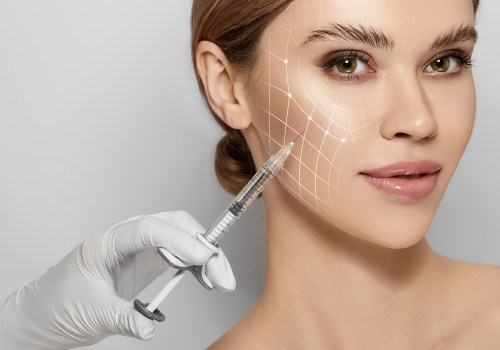
The actual polynucleotide treatment typically involves a series of injections administered over two to three sessions, spaced approximately two weeks apart.Each session lasts about 30 to 60 minutes, depending on the areas being treated. Before the injections begin, a topical anaesthetic may be applied to minimise any discomfort during the procedure.Once you are comfortable, the dermatologist will use a fine needle to inject the polynucleotide solution into targeted areas of your skin. The gelatinous consistency of the product allows for smooth application and even distribution. Patients often report feeling minimal discomfort during this process, with some likening it to a slight prick or pinch.
Post-Treatment Expectations
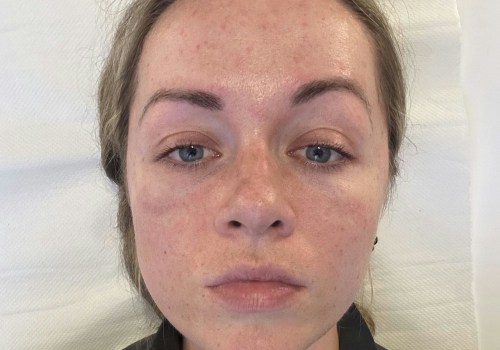
After the treatment, it is common to experience mild swelling or redness at the injection sites.These effects typically subside within a few hours to a couple of days. It is advisable to avoid strenuous activities and direct sun exposure for at least 24 hours post-treatment to ensure optimal results.While some improvements in skin texture and hydration may be noticeable shortly after treatment, the full effects of polynucleotide therapy generally become apparent within a few weeks as collagen production increases and skin regeneration occurs. Patients can expect smoother, more radiant skin that continues to improve over time.In summary, understanding what to expect during a polynucleotide treatment session can help alleviate any concerns and enhance your overall experience. By engaging in an informative consultation and following post-treatment care instructions, you can maximise the benefits of this innovative skincare solution.
Are Polynucleotide Treatments Right for You?
Polynucleotide treatments have emerged as a groundbreaking option in the realm of dermatology, offering a range of benefits for various skin concerns.However, understanding who can truly benefit from these treatments is essential for making an informed decision.
Who Can Benefit from Polynucleotide Treatments?
Polynucleotide treatments are particularly advantageous for individuals seeking to address:- Signs of Ageing: Those experiencing fine lines, wrinkles, and loss of skin elasticity can see significant improvements.
- Skin Texture Issues: Individuals with uneven skin texture or roughness may find that polynucleotides help smooth and rejuvenate their skin.
- Hyperpigmentation: For those struggling with dark spots or uneven skin tone, these treatments can aid in reducing pigmentation.
- Dehydrated Skin: If your skin lacks moisture and appears dull, polynucleotides can enhance hydration levels.
- Scarring: People with acne scars or other types of scarring may benefit from the regenerative properties of polynucleotides.
Contraindications to Consider
While many can benefit from polynucleotide treatments, certain contraindications must be taken into account:- Allergies: Individuals with known allergies to any components of the treatment should avoid it. This includes those allergic to animal-derived ingredients, as some polynucleotides may contain such elements.
- Active Skin Infections: If you have an active infection on your skin, it is crucial to postpone treatment until the infection has resolved.
- Certain Medical Conditions: Those with autoimmune diseases or other specific medical conditions should consult their healthcare provider before proceeding with treatment.
- Pregnancy and Breastfeeding: Women who are pregnant or breastfeeding are generally advised to avoid these treatments due to potential risks.
Suitability Assessment
The best way to determine if polynucleotide treatments are right for you is through a comprehensive consultation with a qualified dermatologist. During this assessment, your skin type, medical history, and specific concerns will be evaluated. This personalised approach ensures that you receive tailored advice and treatment options that align with your individual needs.In conclusion, while polynucleotide treatments offer remarkable benefits for many individuals, it is essential to consider personal health factors and consult with a professional to ensure safety and efficacy.By doing so, you can embark on your journey towards healthier, more radiant skin with confidence.
Post-Treatment Care and Maintenance for Optimal Results
After undergoing polynucleotide treatments, the importance of post-treatment care cannot be overstated. Proper care not only enhances the immediate results but also contributes to the longevity of the benefits achieved. Here are some essential guidelines to follow:Immediate Post-Treatment Care
In the hours following your treatment, it is crucial to:- Avoid Touching the Treated Area: Refrain from touching or applying any products to the treated skin for at least 24 hours. This helps prevent irritation and potential infection.
- Stay Hydrated: Drink plenty of water to support skin hydration from within, which is vital for optimal healing.
- Use Cold Compresses: If you experience any swelling or discomfort, applying a cold compress can help alleviate these symptoms.
Skincare Routine After Treatment
As your skin begins to heal, establishing a gentle skincare routine is essential.Consider the following:
- Gentle Cleansing: Use a mild, non-irritating cleanser to wash your face. Avoid exfoliating products for at least a week post-treatment.
- Moisturisation: Apply a hydrating moisturiser regularly to keep your skin nourished and prevent dryness.
- Sunscreen Application: Protect your skin from UV damage by applying a broad-spectrum sunscreen with at least SPF 30 daily. This is crucial as your skin may be more sensitive after treatment.
Long-Term Maintenance for Lasting Results
To maintain the results of your polynucleotide treatment, consider incorporating the following practices into your routine:- Regular Follow-Up Treatments: Schedule maintenance sessions as recommended by your dermatologist, typically every six months, to sustain collagen production and skin rejuvenation.
- Healthy Lifestyle Choices: A balanced diet rich in antioxidants, regular exercise, and adequate sleep can significantly impact your skin's health and appearance.
- Avoid Smoking and Excessive Alcohol Consumption: Both can accelerate skin aging and diminish the effects of your treatment.
Frequently Asked Questions About Polynucleotide Treatments
As the popularity of polynucleotide treatments continues to rise, many potential patients have questions regarding their safety, effectiveness, and overall experience. Below are some of the most frequently asked questions that can help clarify these concerns.What are polynucleotides and how do they work?
Polynucleotides are naturally occurring molecules that play a crucial role in cellular functions.In dermatology, they are used in injectable treatments to enhance skin quality by promoting collagen and elastin production. This process helps to rejuvenate the skin, improve elasticity, and reduce the appearance of fine lines and wrinkles.
Are polynucleotide treatments safe?
Yes, polynucleotide treatments are generally considered safe when administered by a qualified professional. They are biocompatible and work in harmony with the body’s natural processes. However, as with any medical procedure, there may be risks involved.It is essential to discuss your medical history and any allergies with your dermatologist before undergoing treatment.
How long do the effects of polynucleotide treatments last?
The results of polynucleotide treatments can last up to six months, depending on individual factors such as skin type, age, and lifestyle. To maintain optimal results, follow-up treatments are recommended annually.What can I expect during the treatment?
The treatment typically involves a series of injections in the targeted areas. Most patients report minimal discomfort during the procedure, often likened to a slight pinch. After treatment, some swelling or redness may occur but usually subsides within a few hours.Who is a suitable candidate for polynucleotide treatments?
Polynucleotide treatments are suitable for most individuals looking to improve their skin's appearance.However, those with specific allergies or active skin infections should avoid these treatments. A thorough consultation with a dermatologist will help determine if this treatment is right for you.
Are there any side effects?
While side effects are rare, some patients may experience temporary swelling, bruising, or redness at the injection site. These effects typically resolve quickly. It is crucial to follow post-treatment care instructions provided by your dermatologist to minimise any potential side effects.If you have further questions or concerns about polynucleotide treatments, do not hesitate to reach out to a qualified dermatologist who can provide personalised advice and information tailored to your needs.<strong>Conclusion</strong>
In summary, the transformative potential of polynucleotide treatments in dermatology cannot be overstated.These innovative therapies offer a multitude of benefits that cater to various skin concerns, making them a versatile option for individuals seeking to enhance their skin's appearance and health.
- Enhanced Skin Texture: Polynucleotides significantly improve skin texture by promoting collagen and elastin production, leading to a smoother and more refined surface.
- Increased Hydration: By stimulating cellular regeneration, these treatments help retain moisture within the skin, resulting in a plumper and more hydrated complexion.
- Reduction of Signs of Ageing: The ability of polynucleotides to diminish fine lines, wrinkles, and other signs of ageing makes them an attractive option for those looking to maintain a youthful appearance.
- Improved Elasticity: With enhanced collagen synthesis, the skin's elasticity is improved, allowing it to better withstand the effects of time and environmental stressors.
- Minimisation of Hyperpigmentation: Polynucleotide treatments can effectively address issues such as hyperpigmentation and uneven skin tone, contributing to a more uniform complexion.
For those seeking a solution that combines efficacy with minimal discomfort and downtime, polynucleotides may indeed be the answer. With proper maintenance and adherence to post-treatment care, individuals can enjoy lasting results that contribute to healthier, more radiant skin.