Polynucleotides are fascinating biomolecules that play a crucial role in the biological processes of all living organisms. Composed of long chains of nucleotides, these molecules are fundamental to the structure and function of DNA and RNA, which are essential for genetic information storage and transfer. In recent years, the beauty industry has begun to harness the power of polynucleotides, particularly in skincare treatments, due to their remarkable regenerative properties. Understanding what polynucleotides are and how they function can provide valuable insights into their benefits for skin health.At their core, polynucleotides are polymers made up of nucleotide monomers linked together by phosphodiester bonds.
Each nucleotide consists of a sugar, a phosphate group, and a nitrogenous base. This unique structure allows polynucleotides to store and transmit genetic information, making them vital for cellular processes such as replication and repair. In the context of skincare, polynucleotides derived from natural sources, such as salmon sperm, have gained attention for their ability to stimulate skin regeneration and repair damaged tissues.The skin benefits of polynucleotides are extensive. They have been shown to enhance collagen production, which is essential for maintaining skin elasticity and firmness.
Additionally, polynucleotides promote hydration by attracting moisture to the skin, resulting in a plumper and more youthful appearance. Their anti-inflammatory properties also make them effective in reducing redness and irritation, making them suitable for various skin types. As we delve deeper into the applications of polynucleotides in skincare treatments, it becomes clear that these powerful molecules offer a natural solution for rejuvenating tired and stressed skin.
The Science Behind Polynucleotides
Polynucleotides, the building blocks of DNA, play a crucial role in the rejuvenation of skin at a cellular level. Understanding how these molecules function can illuminate their effectiveness in aesthetic treatments and skin repair.At the core of their action, polynucleotides stimulate the body’s natural healing processes.When injected into the skin, they initiate a cascade of biological responses that promote tissue regeneration. This is primarily achieved through their ability to enhance collagen and elastin production, two proteins essential for maintaining skin structure and elasticity.
Collagen
, which provides strength and support to the skin, diminishes with age, leading to wrinkles and sagging. Studies have shown that polynucleotides can increase collagen synthesis by up to 30% after just a few treatment sessions. This remarkable boost not only helps to fill in fine lines but also improves overall skin texture and firmness.Moreover, polynucleotides are rich in hyaluronic acid , a substance known for its ability to retain moisture.
By enhancing hydration levels within the skin, they contribute to a plumper, more youthful appearance. The presence of amino acids further supports this process by providing the necessary components for protein synthesis and cellular repair.The mechanism through which polynucleotides exert their effects involves interaction with skin fibroblasts—cells responsible for producing collagen and elastin. When polynucleotides are introduced into the dermis, they bind to specific receptors on fibroblasts, triggering a series of biochemical signals that promote cell proliferation and migration. This not only accelerates healing but also enhances the skin's resilience against environmental stressors.In addition to their regenerative properties, polynucleotides possess anti-inflammatory effects.
This characteristic is particularly beneficial for individuals with sensitive or reactive skin, as it helps to reduce redness and irritation while promoting a more even complexion.In summary, the science behind polynucleotides reveals their multifaceted role in skin rejuvenation. By stimulating collagen production, enhancing hydration, and promoting cellular repair, these powerful molecules offer a comprehensive approach to achieving youthful, radiant skin.
Benefits of Polynucleotide Treatments for Skin
Polynucleotide treatments have emerged as a revolutionary option in the realm of skincare, offering a multitude of benefits that cater to various skin concerns. These treatments harness the power of naturally occurring DNA fragments, which play a pivotal role in skin rejuvenation and overall health.One of the most significant advantages of polynucleotide treatments is their ability toPolynucleotide treatments have emerged as a revolutionary option in the realm of skincare, offering a multitude of benefits that cater to various skin concerns. These treatments harness the power of naturally occurring DNA fragments, which play a pivotal role in skin rejuvenation and overall health.One of the most significant advantages of polynucleotide treatments is their ability to improve skin texture. By stimulating the production of collagen and elastin, these treatments help to restore the skin's natural firmness and elasticity.As we age, our skin loses these essential proteins, leading to sagging and a rough texture. Polynucleotides effectively counteract this process, resulting in smoother, more youthful-looking skin.In addition to enhancing texture, polynucleotide treatments are renowned for their anti-aging effects. Clinical studies have shown that these treatments can significantly reduce the appearance of fine lines and wrinkles. By promoting cellular regeneration and increasing hydration levels, polynucleotides help to plump the skin, making wrinkles less noticeable.
This dual action not only addresses existing signs of aging but also helps to prevent future damage.Another remarkable benefit is the improvement in skin hydration. Polynucleotides enhance the skin's moisture retention capabilities, leading to a more hydrated and radiant complexion. This is particularly beneficial for individuals with dry or dehydrated skin, as it helps to restore balance and vitality.Moreover, polynucleotide treatments can assist in reducing pigmentation issues and uneven skin tone. By promoting healthy cell turnover and reducing inflammation, these treatments can diminish dark spots and enhance overall skin clarity.In summary, the benefits of polynucleotide treatments extend far beyond mere aesthetics.
They offer a comprehensive approach to skincare by improving texture, reducing wrinkles, enhancing hydration, and addressing pigmentation concerns. For anyone seeking effective solutions for aging or damaged skin, polynucleotides represent a promising avenue worth exploring.
Polynucleotides vs. Other Skin Treatments
When considering skin rejuvenation options, it’s essential to understand how polynucleotides stack up against other popular treatments such as dermal fillers and hyaluronic acid. Each of these treatments has its unique benefits and applications, but polynucleotides offer a distinct approach that sets them apart.Polynucleotides vs.
Dermal FillersDermal fillers are primarily used to add volume and plumpness to the skin, effectively reducing the appearance of wrinkles and fine lines. They work by physically filling in areas of the skin, which can provide immediate results. However, these results are temporary, typically lasting from six months to two years depending on the type of filler used.In contrast, polynucleotide treatments focus on stimulating the body’s natural healing processes. Rather than merely filling in wrinkles, they promote collagen and elastin production, leading to long-term improvements in skin texture and elasticity.
This regenerative approach means that while fillers may offer quick fixes, polynucleotides provide a more sustainable solution for skin health.
Polynucleotides vs. Hyaluronic Acid
Hyaluronic acid is another popular treatment known for its hydrating properties. It attracts moisture to the skin, resulting in a plump and youthful appearance. While hyaluronic acid can significantly improve hydration levels and skin texture, it does not directly stimulate collagen production.Polynucleotides, on the other hand, not only enhance hydration but also encourage the skin’s natural regeneration processes.This dual action makes them particularly effective for those looking to address multiple signs of aging simultaneously. Furthermore, polynucleotide treatments can lead to improved skin quality over time, whereas hyaluronic acid effects may diminish as the product is absorbed by the body.
Advantages of Polynucleotide Treatments
- Natural Results: The results from polynucleotide treatments are subtle and natural-looking, avoiding the "overdone" appearance that can sometimes accompany fillers.
- Long-Lasting Effects: By promoting collagen and elastin production, polynucleotides offer longer-lasting improvements compared to temporary fillers.
- Minimal Downtime: Most patients experience little to no downtime after treatment, making it a convenient option for busy individuals.
- Versatility: Polynucleotides can be used on various areas of the face and body, including delicate regions like under the eyes.
- Safety Profile: With a low risk of adverse effects due to their natural composition, polynucleotide treatments are generally well-tolerated.
Application Techniques for Polynucleotide Treatments
When it comes to administering polynucleotide treatments, the technique used can significantly influence the effectiveness and safety of the procedure. Understanding the various application methods is crucial for both practitioners and patients seeking optimal results.Injection Techniques for Polynucleotides
- Micro-injections: This technique involves delivering polynucleotides into the skin using a fine needle.
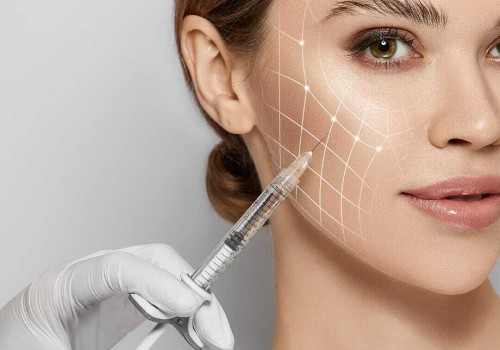
Micro-injections are typically performed in a grid-like pattern across the treatment area, ensuring even distribution of the product. This method is particularly effective for facial rejuvenation, as it allows for precise targeting of specific areas.
- Mesotherapy: Mesotherapy is a minimally invasive technique that involves injecting small amounts of polynucleotides into the mesoderm, or middle layer of skin. This approach not only enhances skin hydration but also stimulates collagen production at a deeper level, making it suitable for larger areas such as the neck and décolletage.
- Intradermal Injections: For more significant skin concerns, intradermal injections may be employed. This method places polynucleotides directly into the dermis, where they can have a more pronounced effect on skin elasticity and texture.
It is often used in conjunction with other treatments to maximise results.
Best Practices for Treatment Application
- Consultation: Prior to any treatment, a thorough consultation with a qualified practitioner is essential. This should include a discussion of medical history, skin type, and specific concerns to tailor the treatment plan effectively.
- Skin Preparation: Proper skin preparation is vital for successful outcomes. The treatment area should be cleansed and disinfected to minimise the risk of infection. Some practitioners may also recommend topical anaesthetics to enhance comfort during the procedure.
- Post-Treatment Care: After receiving polynucleotide injections, patients should follow specific aftercare instructions provided by their practitioner.
This may include avoiding sun exposure, refraining from strenuous activities, and using gentle skincare products to support healing.
Potential Risks and Considerations
While polynucleotide treatments offer numerous benefits for skin rejuvenation, it is essential to consider the potential risks and side effects associated with these procedures. Understanding these factors can help individuals make informed decisions about their skincare options.One of the most common side effects of polynucleotide injections is bruising. This occurs due to the injection process, which can cause minor trauma to the skin and surrounding tissues.Bruising typically resolves within a few days, but it can be unsightly and may deter some individuals from seeking treatment.Another potential risk is swelling at the injection site. This is a normal response as the body reacts to the introduced substance. Swelling usually subsides within a week, but in some cases, it may persist longer. Patients are advised to avoid strenuous activities immediately following treatment to minimise swelling.
Redness
and
tenderness
are also common after polynucleotide injections.
These symptoms are generally mild and temporary, often resolving within a few hours to a couple of days. However, if redness or tenderness persists or worsens, it is crucial to consult with a healthcare professional.In rare instances, patients may experience an allergic reaction. Symptoms can include itching, rash, or difficulty breathing. If any of these symptoms occur, immediate medical attention is necessary.
It is vital for individuals with known allergies to discuss their medical history with their provider before undergoing treatment.Moreover, while polynucleotide treatments are generally considered safe, they are not suitable for everyone. Individuals with certain medical conditions or those who are pregnant or breastfeeding should consult their healthcare provider to determine if this treatment is appropriate for them.Before undergoing polynucleotide treatment, it is advisable to have a thorough consultation with a qualified practitioner. During this consultation, patients should discuss their goals, expectations, and any concerns regarding potential risks. A reputable provider will offer transparency about what to expect from the treatment process and help manage any apprehensions.In summary, while polynucleotide treatments can significantly enhance skin appearance and health, being aware of the potential risks and side effects is crucial for ensuring a positive experience.
By taking the time to understand these factors and consulting with a qualified professional, individuals can make informed choices that align with their skincare goals.
Real-Life Experiences: Testimonials and Case Studies
Real-life experiences can provide invaluable insights into the effectiveness of polynucleotide treatments. Many individuals have shared their journeys, highlighting the transformative effects these treatments have had on their skin. Below are some testimonials and case studies that illustrate the benefits of polynucleotides.Testimonial 1: Sarah's Journey to Radiant Skin
Sarah, a 38-year-old marketing executive, struggled with fine lines and dull skin due to her hectic lifestyle. After researching various options, she decided to try polynucleotide treatment."I was sceptical at first, but after just two sessions, I noticed a significant improvement in my skin's texture and hydration. My friends even commented on how radiant I looked!" Sarah reported a boost in her confidence and continues to maintain her results with regular treatments.
Testimonial 2: Mark's Experience with Scarring
Mark, a 45-year-old father of two, had been dealing with acne scars for years. He felt self-conscious about his appearance and sought a solution that would not only improve his skin but also be safe. "I opted for polynucleotide injections after hearing about their regenerative properties.The results were remarkable! My scars have faded significantly, and my skin feels firmer and more youthful," he shared. Mark's experience underscores the potential of polynucleotides in addressing specific skin concerns.
Case Study: Emily's Under-Eye Transformation
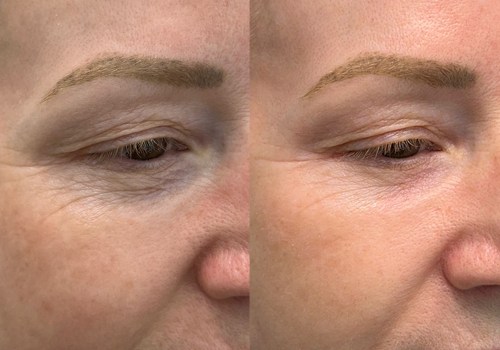
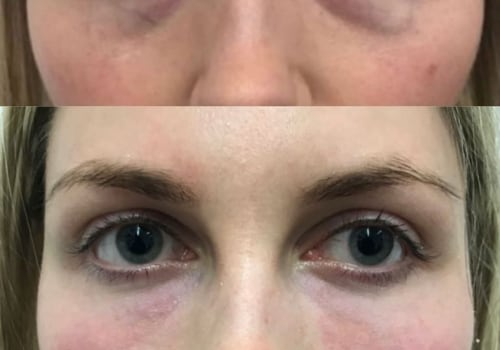
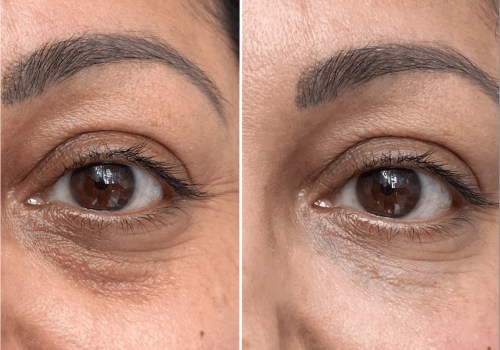
Emily, a 30-year-old teacher, had persistent dark circles and puffiness under her eyes. After consulting with a skincare professional, she underwent a series of polynucleotide treatments specifically targeting the delicate under-eye area. "The difference was astonishing! Not only did the dark circles lighten, but my skin also felt more elastic and hydrated," Emily explained.Her case highlights how polynucleotides can effectively rejuvenate sensitive areas of the face.
Conclusion
The testimonials and case studies presented here reflect the diverse applications and benefits of polynucleotide treatments. From improving overall skin texture to addressing specific issues like scarring and under-eye concerns, these real-life experiences can help potential clients make informed decisions about their skincare journeys.Future Trends in Polynucleotide Treatments
As the skincare industry continues to evolve, the future of polynucleotide treatments appears promising, with several emerging trends and innovations on the horizon. These advancements not only enhance the efficacy of existing treatments but also broaden their applications in aesthetic medicine.One significant trend is the integration of biotechnology in polynucleotide therapies. Researchers are exploring ways to enhance the extraction and formulation processes, making treatments more effective and accessible.This could lead to the development of new products that combine polynucleotides with other active ingredients, such as peptides and growth factors, to create synergistic effects that further improve skin rejuvenation.Another exciting innovation is the potential for personalised skincare solutions. With advancements in genetic testing and analysis, practitioners may soon be able to tailor polynucleotide treatments based on an individual’s unique skin profile. This bespoke approach could significantly enhance treatment outcomes, addressing specific concerns such as pigmentation, elasticity, and hydration levels.The rise of non-invasive techniques is also shaping the future of polynucleotide therapy. As patients increasingly seek less invasive options with minimal downtime, practitioners are likely to develop new delivery methods that maximise the benefits of polynucleotides without traditional injection techniques.
For instance, microneedling combined with polynucleotide serums could offer a dual benefit of enhanced absorption and stimulation of collagen production.Moreover, the focus on sustainability in skincare is gaining traction. As consumers become more environmentally conscious, there is a growing demand for ethically sourced ingredients. Future polynucleotide treatments may prioritise sustainable practices in their production processes, ensuring that they not only benefit skin health but also align with eco-friendly values.Finally, ongoing research into the long-term effects and safety profiles of polynucleotide treatments will likely lead to increased regulatory approvals and wider acceptance within the medical community. As more clinical studies validate their effectiveness, we can expect to see polynucleotides becoming a staple in aesthetic practices worldwide.In conclusion, the future of polynucleotide treatments is bright, characterised by innovation and a commitment to enhancing skin health through advanced science.
As these trends unfold, they promise to redefine skincare standards and offer patients even more effective solutions for their aesthetic needs.
Conclusion: The Lasting Impact of Polynucleotides on Skincare
In conclusion, the exploration of polynucleotides in skincare reveals a transformative approach to addressing various skin concerns. As we have discussed, these naturally occurring DNA fragments offer a multitude of benefits that extend beyond mere cosmetic enhancements. Their ability to stimulate collagen and elastin production is particularly noteworthy, as these proteins are fundamental to maintaining skin's youthful appearance and structural integrity.Moreover, polynucleotide treatments are not just about reversing the signs of aging; they also play a crucial role in skin repair and regeneration. By enhancing hydration levels and improving skin texture, they provide a comprehensive solution for individuals dealing with issues such as scarring, inflammation, and sun damage.The regenerative properties of polynucleotides make them an invaluable tool in the arsenal of modern skincare.It is essential to highlight that the effectiveness of polynucleotide treatments is supported by scientific research, which indicates significant improvements in skin quality after just a few sessions. This evidence-based approach reassures those considering these treatments that they are investing in a method that delivers tangible results.Furthermore, the low risk associated with polynucleotide injections, coupled with their natural origins, positions them as a safer alternative compared to many other aesthetic procedures. This aspect is particularly appealing for those who are cautious about the ingredients used in their skincare regimens.As we move forward in an era where skincare is increasingly prioritised, understanding the role of polynucleotides becomes paramount. Whether you are seeking preventive measures for younger skin or recovery solutions for mature skin, polynucleotide treatments offer a versatile option that caters to diverse needs.In summary, embracing the power of polynucleotides can lead to significant improvements in skin health and appearance.
As a skincare expert, I encourage individuals to consider these innovative treatments as part of their skincare journey. With their proven efficacy and natural composition, polynucleotides represent a promising frontier in achieving radiant and youthful skin.