In the realm of aesthetic medicine , the quest for effective skin rejuvenation techniques has led to the emergence of innovative treatments, one of which is polynucleotide treatments. These therapies harness the power of polynucleotides—long chains of nucleotides that play a crucial role in cellular functions and regeneration. Extracted primarily from natural sources such as fish DNA, polynucleotides are gaining traction for their ability to stimulate skin repair and enhance overall skin quality.The increasing popularity of polynucleotide treatments can be attributed to their multifaceted benefits. Not only do they promote collagen and elastin production, essential proteins for maintaining skin elasticity and firmness, but they also possess antioxidant properties that help combat oxidative stress.
This dual action makes them particularly appealing for individuals seeking to address signs of aging, such as fine lines, wrinkles, and loss of skin tone.As we delve deeper into the safety and effectiveness of these treatments, it is essential to understand their mechanism of action. By acting at the cellular level, polynucleotides facilitate the repair processes within the skin, leading to a more youthful appearance over time. This regenerative capacity positions them as a valuable option in the aesthetic toolkit, especially for those looking for non-invasive solutions to enhance their skin's health.However, with any treatment, questions regarding safety and potential side effects arise. It is vital for prospective patients to be informed about what polynucleotide treatments entail and how they can fit into their broader skincare regimen.
As we explore these aspects further, we will uncover why polynucleotides are not just a passing trend but a promising advancement in the field of aesthetic medicine.
What Are Polynucleotides?
Polynucleotides are long chains of nucleotides, which are the basic building blocks of nucleic acids such as DNA and RNA. Each nucleotide consists of three components: a nitrogenous base, a sugar molecule, and a phosphate group. The sequence of these nucleotides encodes genetic information, playing a crucial role in biological processes such as protein synthesis and cellular function.In the context of aesthetic treatments, polynucleotides have garnered attention for their regenerative properties. They are known to stimulate the production of collagen and elastin in the skin, which are essential proteins that maintain skin elasticity and firmness.This makes them particularly valuable in anti-aging therapies, where enhancing skin quality is a primary goal.
Sources of Polynucleotides
Polynucleotides can be derived from various sources, but in aesthetic medicine, they are predominantly extracted from natural origins. One of the most common sources is fish DNA, specifically from species such as salmon. This natural extraction process ensures that the polynucleotides retain their biological activity while being safe for human use.Other potential sources include:- Plant-based sources: Certain plants contain nucleic acids that can be processed into polynucleotides, although these are less common in aesthetic applications.
- Synthetic production: Advances in biotechnology have enabled the synthesis of polynucleotides in laboratories, allowing for controlled production without reliance on animal sources.
Their natural origins and ability to promote collagen and elastin production make them a promising option for those seeking to improve their skin's appearance and health.
The Mechanism of Action of Polynucleotide Treatments
Polynucleotide treatments operate through a sophisticated mechanism that targets the skin at a cellular level, promoting rejuvenation and repair. At the core of their effectiveness lies the ability of polynucleotides to stimulate fibroblasts, the cells responsible for producing collagen and elastin, which are essential for maintaining skin structure and elasticity.When polynucleotides are injected into the skin, they interact with fibroblasts by binding to specific receptors on their surface. This interaction triggers a cascade of biological responses that lead to increased cellular activity. As a result, fibroblasts begin to proliferate and produce greater amounts of collagen and elastin.This process not only enhances skin firmness but also improves overall texture and hydration.Moreover, polynucleotides possess inherent antioxidant properties that help combat oxidative stress in the skin. Oxidative stress is a significant contributor to skin aging, as it leads to the breakdown of collagen and elastin fibres. By neutralising free radicals, polynucleotides protect skin cells from damage, thereby supporting a healthier complexion.Another critical aspect of the mechanism of action is the promotion of angiogenesis—the formation of new blood vessels. Enhanced blood flow ensures that skin cells receive adequate nutrients and oxygen, further facilitating the healing process and improving skin vitality.In summary, the mechanism of action of polynucleotide treatments encompasses:
- Stimulation of fibroblast activity: Enhancing collagen and elastin production.
- Antioxidant effects: Protecting against oxidative stress and cellular damage.
- Promotion of angiogenesis: Improving blood circulation for better nutrient delivery.
As a result, patients can expect noticeable improvements in their skin's appearance over time, making polynucleotide treatments a compelling option for those seeking effective anti-aging solutions.
Safety Profile of Polynucleotide Treatments
When considering any aesthetic treatment, understanding the safety profile is paramount. Polynucleotide treatments, while generally regarded as safe, do come with certain considerations that potential patients should be aware of.One of the primary advantages of polynucleotide treatments is their natural origin. Extracted from sources such as fish DNA, these treatments are designed to be biocompatible with human skin. However, this does not eliminate the possibility of side effects.Commonly reported side effects include:
- Minor bruising: This can occur at the injection site and is typically temporary.
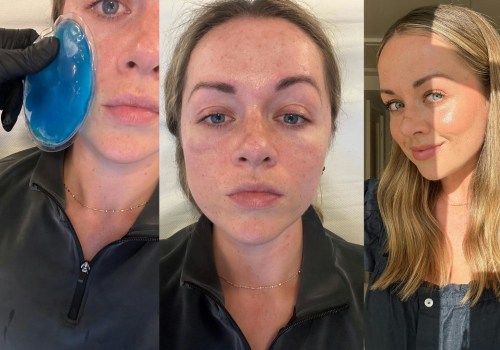
- Swelling: Some patients may experience localized swelling, which usually subsides within a few days.
- Redness: Mild redness around the injection area is common and generally resolves quickly.
- Itching or tenderness: Some individuals may feel slight discomfort post-treatment.
- Individuals with fish allergies: Since polynucleotides are derived from fish DNA, those allergic to fish should refrain from these treatments.
- Pregnant or breastfeeding women: As a precautionary measure, it is advised that pregnant or nursing individuals avoid injectable treatments.
- Patients with active infections: Those suffering from skin infections or other active dermatological conditions should postpone treatment until fully healed.
- Individuals with autoimmune disorders: Patients with compromised immune systems may face increased risks and should discuss their options thoroughly with a healthcare provider.
Effectiveness of Polynucleotide Treatments
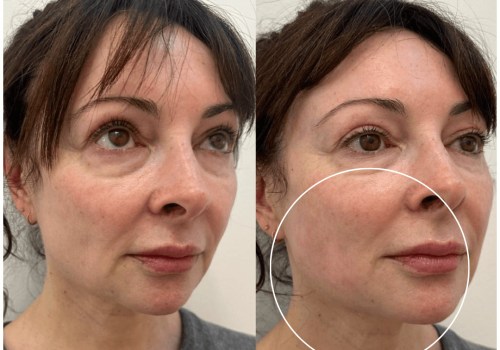
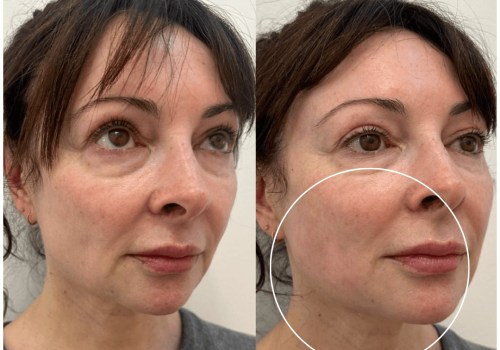
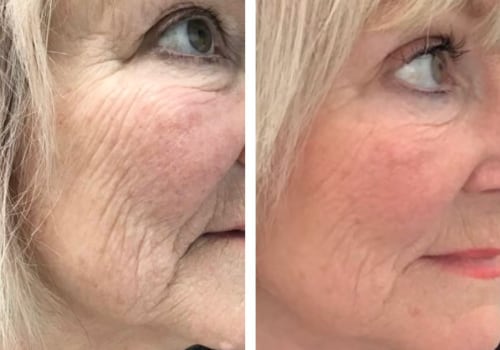
The effectiveness of polynucleotide treatments has been a focal point of numerous clinical studies and patient testimonials, showcasing their potential in skin rejuvenation and repair. These treatments leverage the natural properties of polynucleotides to stimulate cellular activity, particularly in fibroblasts, which are crucial for collagen and elastin production.Clinical research has demonstrated that polynucleotide injections can significantly improve skin texture, elasticity, and overall appearance.A study published in the Journal of Cosmetic Dermatology highlighted that patients experienced noticeable improvements in skin hydration and firmness within weeks of treatment. The results were attributed to the biostimulatory effects of polynucleotides, which enhance the skin's regenerative processes.In terms of a results timeline , many patients report initial improvements within two to three weeks post-treatment. However, optimal results often manifest after several sessions, typically around three to six months, as the skin continues to regenerate and repair itself. This gradual enhancement is one of the reasons why polynucleotide treatments are favoured; they provide a natural-looking outcome without the abrupt changes associated with some other aesthetic procedures.Patient testimonials further support these findings, with many individuals expressing satisfaction with their results.
Commonly reported benefits include:
- Smoother skin texture: Many users note a significant reduction in fine lines and wrinkles.
- Improved elasticity: Patients often feel their skin is firmer and more resilient.
- Enhanced hydration: The moisturizing properties of polynucleotides contribute to a plumper appearance.
- Long-lasting effects: Results can last up to 12 months, making it a cost-effective option for ongoing skin care.
Comparing Polynucleotides with Other Aesthetic Treatments
When considering aesthetic treatments, it is essential to understand the differences between polynucleotides and other popular options, such as dermal fillers and Botox. Each treatment offers unique benefits and limitations, making them suitable for different skin concerns and patient preferences.Polynucleotides vs Dermal Fillers
Dermal fillers are primarily used to add volume to specific areas of the face, such as the cheeks, lips, and nasolabial folds. They work by physically filling in wrinkles and enhancing facial contours.Common ingredients in dermal fillers include hyaluronic acid, calcium hydroxylapatite, and poly-L-lactic acid. While they provide immediate results, the effects typically last from six months to two years, depending on the product used.In contrast, polynucleotides focus on skin rejuvenation at a cellular level. They stimulate fibroblast activity, promoting collagen and elastin production over time. This gradual improvement leads to enhanced skin texture, elasticity, and overall appearance.
While results from polynucleotide treatments may take a few weeks to become noticeable, they can last up to 12 months or longer with regular sessions.
Benefits of Polynucleotide Treatments
- Natural Composition: Derived from fish DNA, polynucleotides closely resemble human DNA, making them biocompatible and less likely to cause adverse reactions.
- Long-Lasting Results: Unlike dermal fillers that provide immediate volume but require frequent touch-ups, polynucleotides offer sustained improvements in skin quality.
- Versatility: Polynucleotides can address various skin concerns, including fine lines, wrinkles, dryness, and loss of elasticity.
Limitations of Each Treatment
While both treatments have their advantages, they also come with limitations:- Dermal Fillers: The results are temporary and may require multiple sessions for maintenance. Additionally, there is a risk of lumps or unevenness if not administered correctly.
- Polynucleotides: As they work gradually, patients seeking immediate results may find them less appealing compared to dermal fillers.
Patient Considerations and Consultation Process
Before embarking on any polynucleotide treatment, a thorough consultation is essential. This initial meeting serves as a foundation for understanding the patient’s unique needs, expectations, and medical history.It is crucial for both the practitioner and the patient to engage in an open dialogue to ensure that the treatment aligns with the patient’s aesthetic goals.
Key Considerations During Consultation
- Medical History: Patients should provide a comprehensive overview of their medical history, including any allergies, previous treatments, and current medications. This information helps practitioners assess suitability for polynucleotide treatments.
- Skin Type and Concerns: Discussing specific skin concerns such as fine lines, wrinkles, or loss of elasticity allows the practitioner to tailor the treatment plan effectively. Understanding skin type is also vital, as certain conditions may affect treatment outcomes.
- Expectations: Clear communication about what patients hope to achieve from the treatment is essential. Setting realistic expectations can prevent disappointment and ensure satisfaction with the results.
- Potential Risks: Practitioners should inform patients about possible side effects and risks associated with polynucleotide treatments.
This transparency fosters trust and allows patients to make informed decisions.
Patient Selection Criteria
Not every individual is an ideal candidate for polynucleotide treatments. Practitioners typically consider several factors when determining patient eligibility:
- Age: While there is no strict age limit, polynucleotide treatments are often recommended for adults seeking to address signs of ageing.
- Skin Conditions: Patients with active infections or autoimmune disorders may not be suitable candidates due to potential complications.
- Allergies: Those with allergies to fish or other components of the treatment should be carefully evaluated before proceeding.
What to Expect During Treatment
The treatment process itself is generally straightforward. After a thorough consultation, patients can expect the following during their appointment:
- Preparation: The treatment area will be cleansed, and a topical anaesthetic may be applied to minimise discomfort.
- Injection: Using a fine needle, the practitioner will inject polynucleotides into targeted areas of the skin. The procedure is minimally invasive and typically well-tolerated.
- Post-Treatment Care: Aftercare instructions will be provided to ensure optimal healing and results.
Patients may experience mild swelling or bruising, which usually subsides within a few days.
FAQs About Polynucleotide Treatments
As the popularity of polynucleotide treatments continues to rise, many patients have questions regarding their safety, effectiveness, and overall experience. Below are some of the most frequently asked questions that can help clarify common doubts and enhance understanding.What are polynucleotides?
Polynucleotides are long chains of nucleotides, which are the building blocks of DNA and RNA. In aesthetic medicine, they are primarily used for their regenerative properties, promoting skin rejuvenation and repair by stimulating the production of collagen and elastin.Are polynucleotide treatments safe?
Yes, when administered by a qualified professional, polynucleotide treatments are generally considered safe. The polynucleotides used in these procedures are derived from natural sources, such as fish DNA, and undergo rigorous purification processes to ensure compatibility with human tissue.However, individuals with fish allergies or those who are vegan or vegetarian should avoid these treatments.
What can I expect during the treatment?
The procedure typically involves a series of small injections into the targeted areas of the skin. Patients may experience minor discomfort during the injections, but this is usually well-tolerated. After the treatment, some swelling or bruising may occur, but these effects generally subside within a few days.How long does it take to see results?
Results from polynucleotide treatments can vary depending on individual skin conditions and treatment goals. While some patients may notice improvements in skin texture and hydration within a few days, optimal results often become apparent after several weeks as collagen production increases.How long do the results last?
The effects of polynucleotide treatments can last up to 12 months, depending on factors such as skin type and age.Regular maintenance sessions may be recommended to prolong the benefits.
Can polynucleotides be combined with other treatments?
Yes, polynucleotide treatments can be safely combined with other aesthetic procedures, provided they are not injected into the same area simultaneously. This allows for a comprehensive approach to skin rejuvenation.Are there any side effects?
While serious side effects are rare, some patients may experience temporary swelling, redness, or bruising at the injection sites. It is essential to discuss any concerns with your practitioner before undergoing treatment.If you have further questions or specific concerns about polynucleotide treatments, it is advisable to consult with a licensed professional who can provide tailored advice based on your individual needs.Conclusion: The Future of Polynucleotide Treatments in Aesthetic Medicine
As we draw our discussion on the safety and effectiveness of polynucleotide treatments to a close, it is essential to reflect on the significant advancements these therapies have made in the realm of aesthetic medicine. The increasing popularity of polynucleotides can be attributed to their remarkable ability to rejuvenate the skin by promoting natural healing processes.This innovative approach not only enhances skin texture and elasticity but also addresses various concerns such as fine lines, wrinkles, and overall skin quality.Looking ahead, the future of polynucleotide treatments appears promising. With ongoing research and clinical trials, we can expect to see further enhancements in formulation and application techniques. As practitioners gain more experience and knowledge about these treatments, they will be able to tailor procedures more effectively to meet individual patient needs.Moreover, the integration of polynucleotide therapies with other aesthetic procedures could lead to synergistic effects, enhancing overall outcomes. For instance, combining polynucleotides with advanced technologies such as laser treatments or microneedling may amplify their regenerative properties, providing patients with even more comprehensive solutions for skin rejuvenation.In addition, as awareness grows regarding the natural composition of polynucleotides and their biocompatibility, we may see an increase in demand from patients seeking less invasive yet effective alternatives to traditional cosmetic procedures.
This shift towards more holistic approaches in aesthetic medicine aligns with broader trends in healthcare that prioritise safety and natural results.However, it remains crucial for both practitioners and patients to stay informed about the latest developments in this field. Continuous education and adherence to best practices will ensure that polynucleotide treatments are administered safely and effectively. As we embrace these advancements, it is vital to maintain a patient-centric approach that prioritises individual needs and expectations.In conclusion, polynucleotide treatments represent a significant leap forward in aesthetic medicine, offering a safe and effective means of achieving youthful skin. As research progresses and techniques evolve, we can anticipate a future where these treatments become a staple in skincare regimens, helping individuals achieve their aesthetic goals while promoting overall skin health.